From jeweled zebras and emerald-eyed frogs to hammered gold and unapologetic color, David Webb created a distinctly American vision of high jewelry—and more than 75 years later, the house remains unmistakable.
There are jewelry houses built around diamonds. Others are built around heritage. David Webb built a world.
Founded in New York City in 1948, David Webb became one of the most original names in twentieth-century American jewelry by rejecting quiet luxury long before the term existed. His pieces were oversized, colorful, sculptural and frequently humorous. Zebras curled around wrists. Frogs became gem-set bracelets. Lions, leopards, elephants and mythical creatures were transformed into wearable sculpture.
From Asheville to New York
David Webb was born in Asheville, North Carolina, in 1925. His early exposure to metalwork came through his uncle, and he later studied craft before heading to New York, where he worked within the city’s jewelry trade.
With financial backing from French socialite Antoinette Quilleret, Webb founded his namesake company in 1948. He was only 23.
His rise was remarkably fast. Webb jewelry appeared in Vogue during the 1950s, while Hollywood helped introduce his work to an even broader audience. His creations appeared in films and were worn by some of the era’s most influential women, including Jacqueline Kennedy, Elizabeth Taylor and legendary fashion editor Diana Vreeland.
But celebrity alone did not build David Webb’s identity. Design did.
What Does David Webb Look Like?
A David Webb jewel rarely whispers.
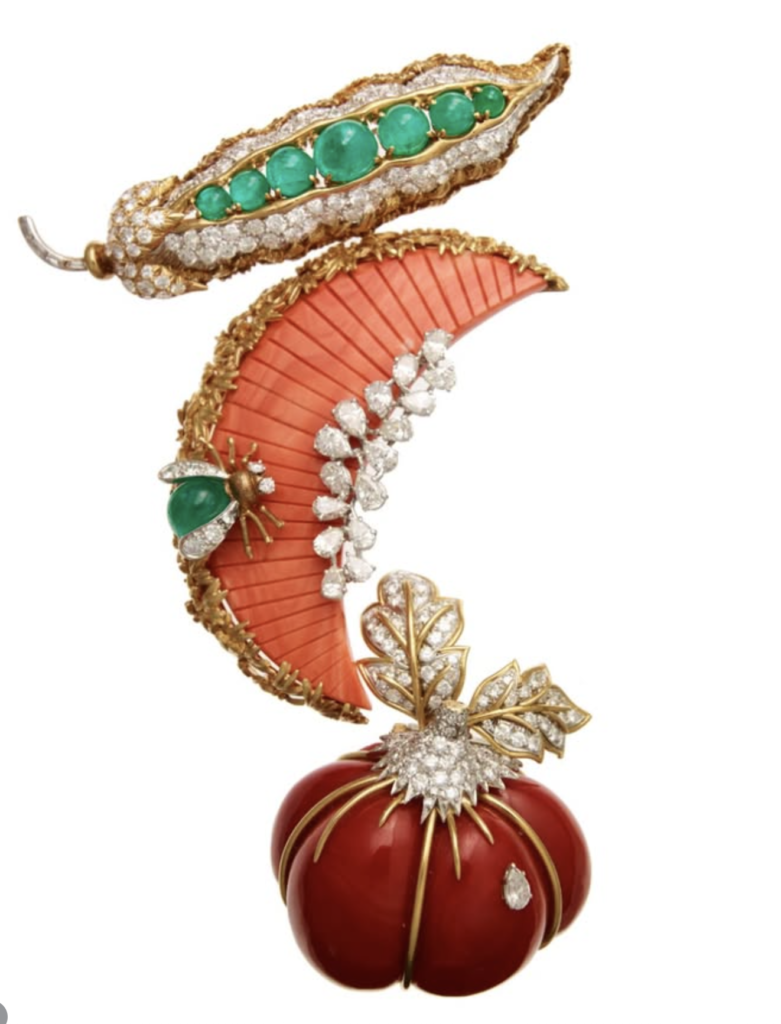
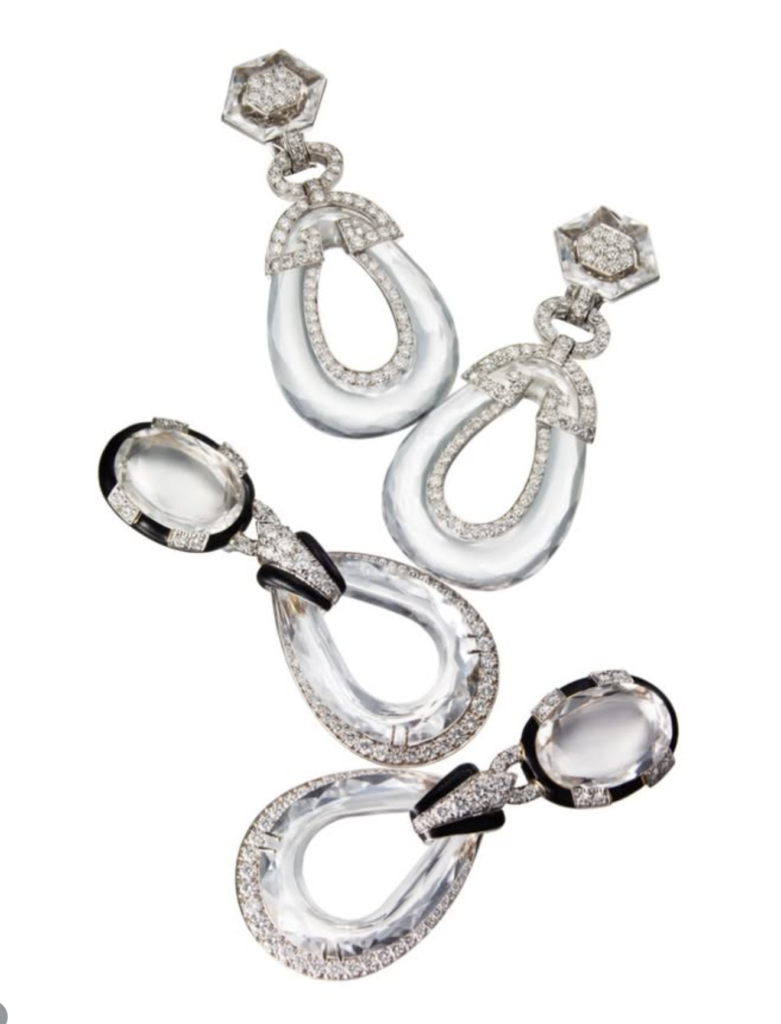
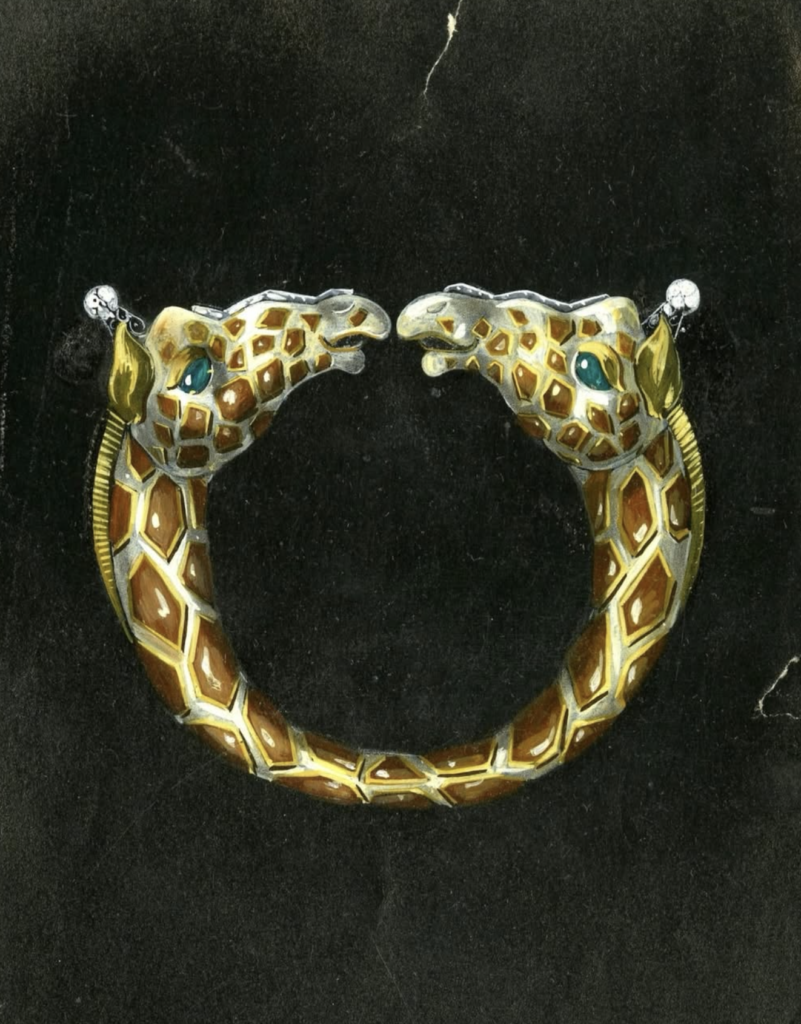
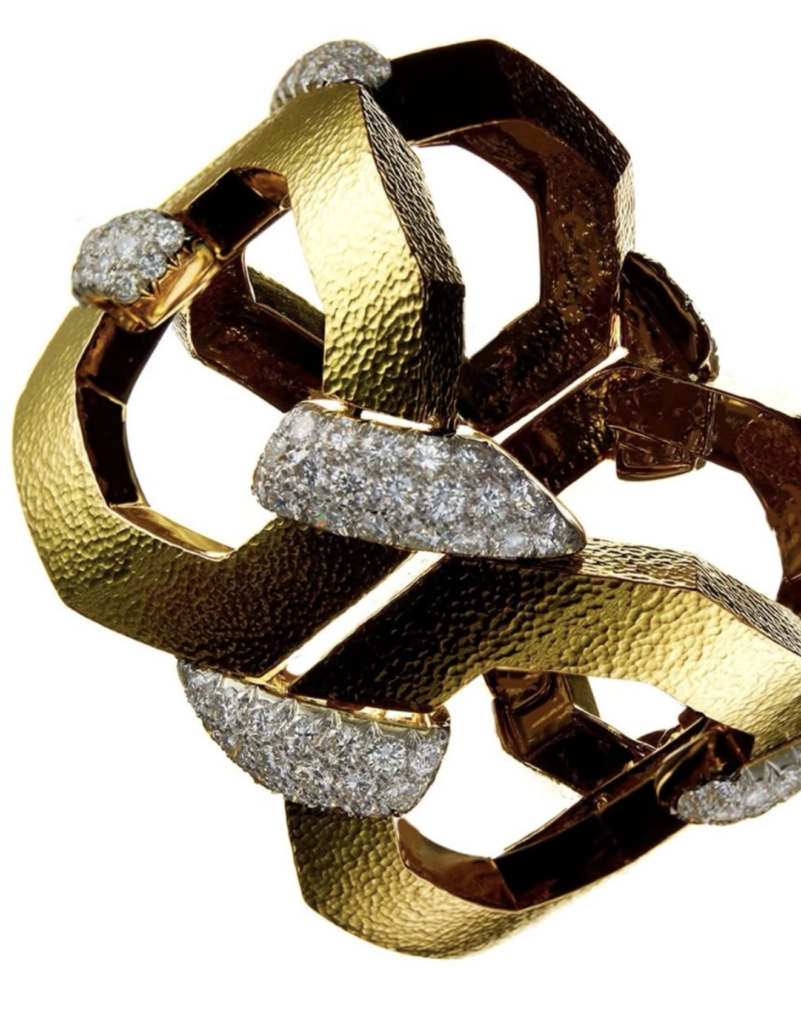
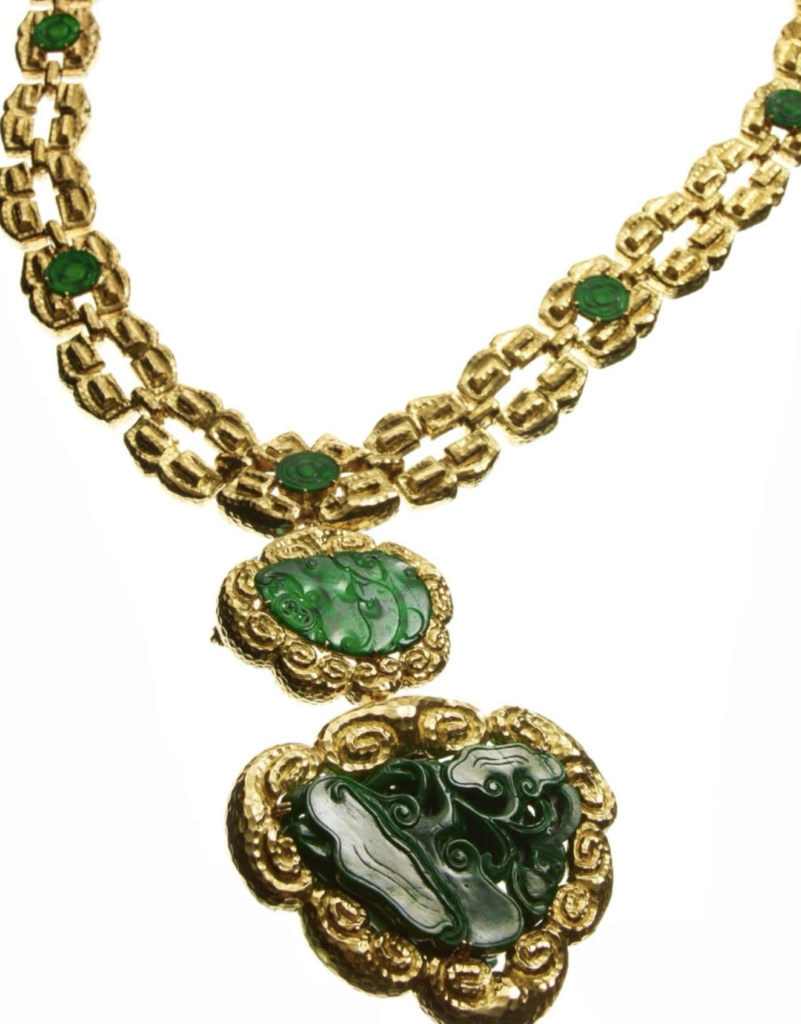
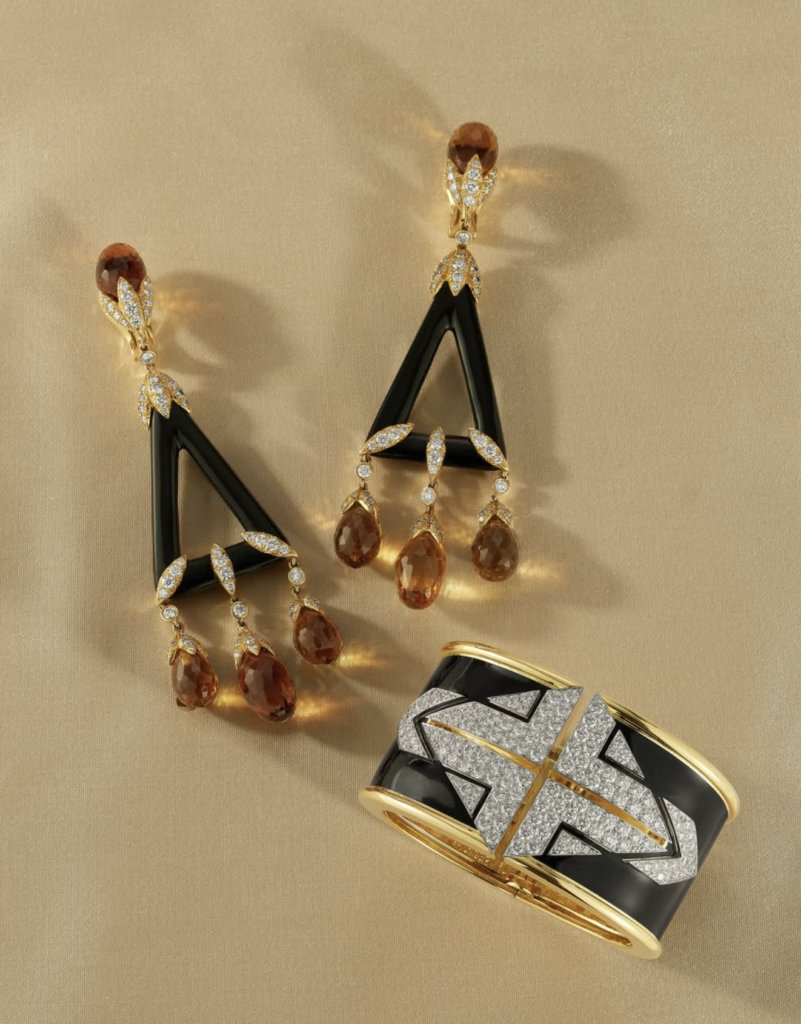
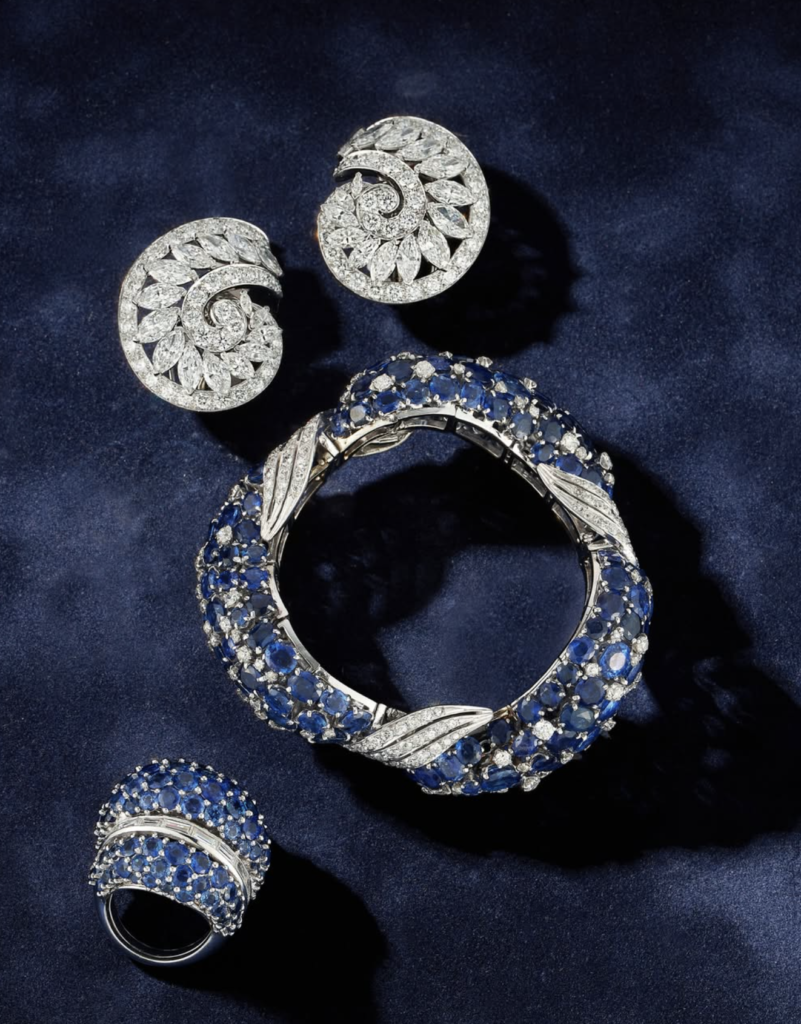
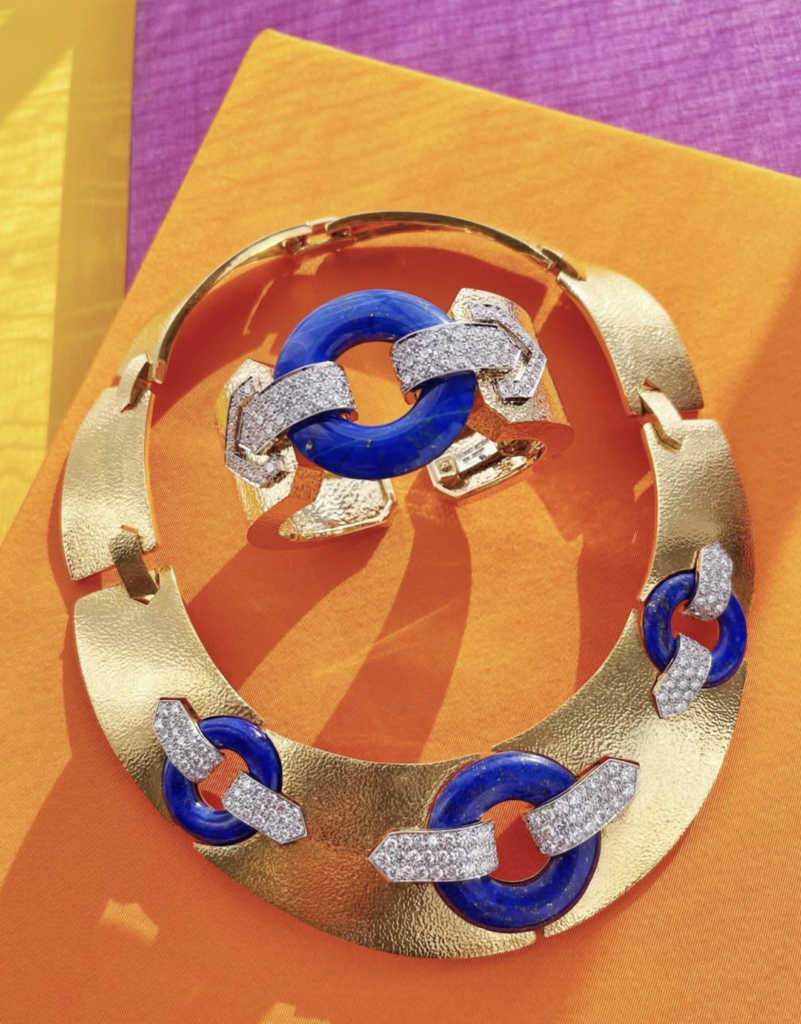
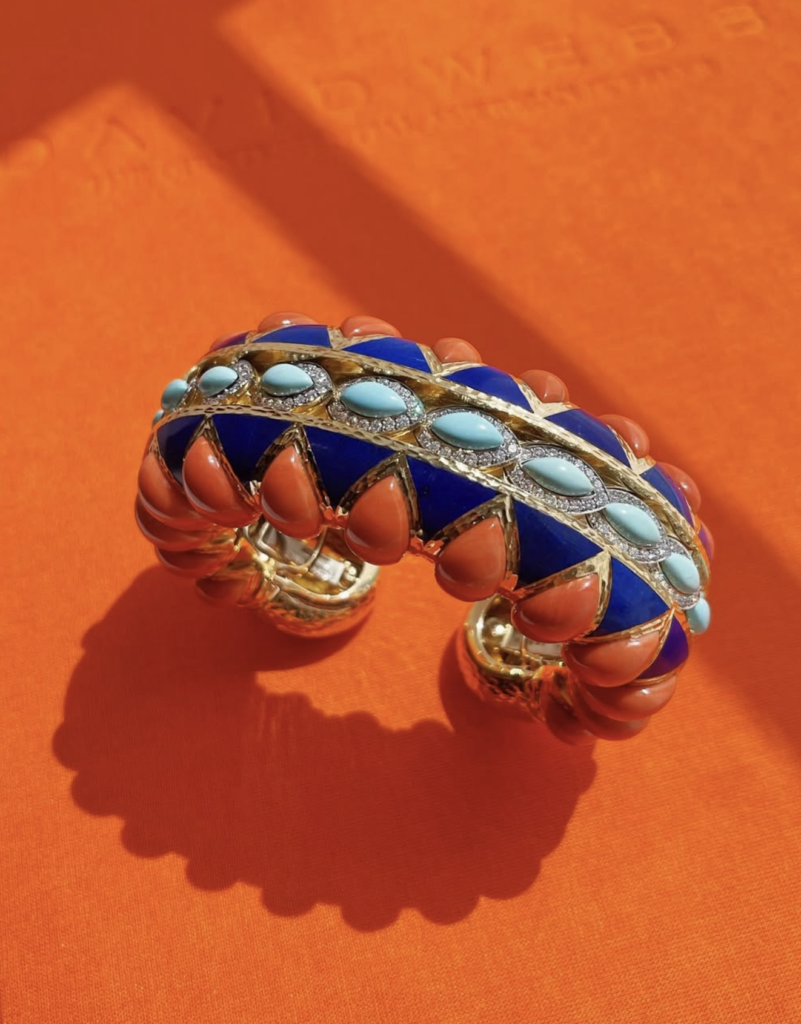
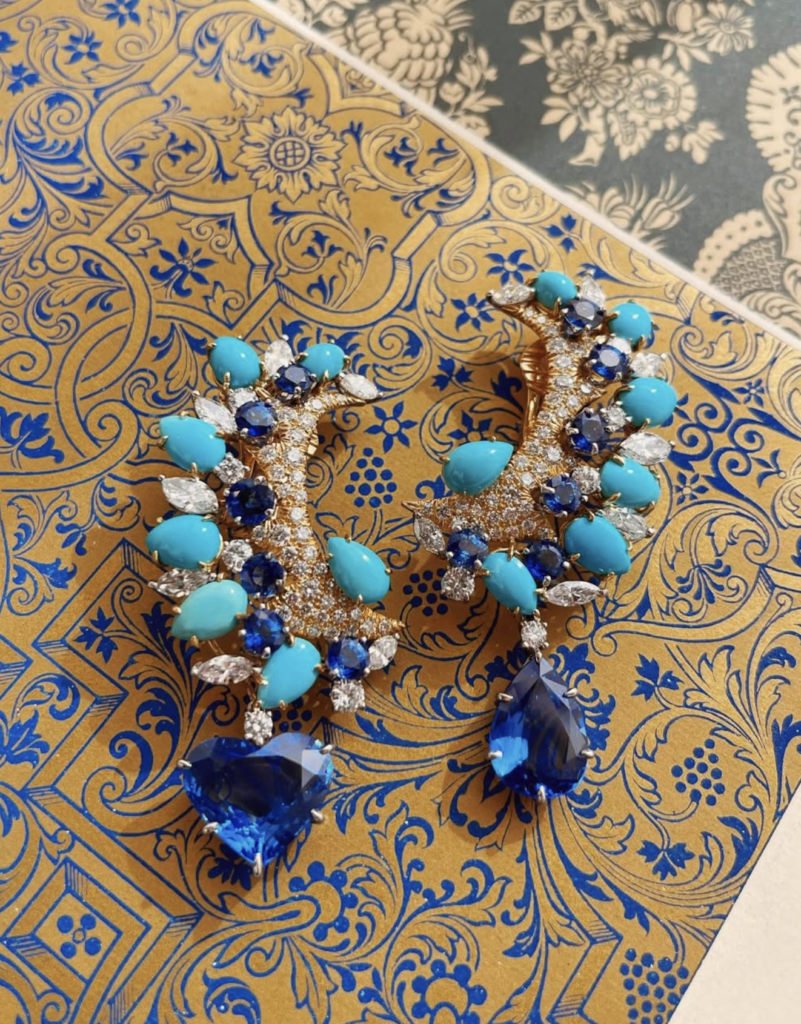
The house identifies five recurring hallmarks within its design language: animal forms, hand-hammered gold, intricate enamel, rock crystal and boldly colored semi-precious stones.
Webb looked far beyond conventional jewelry references for inspiration. Ancient Greek and Roman art, Egyptian forms, Indian jewelry, Chinese motifs, Art Deco, architecture and objects he encountered during visits to The Metropolitan Museum of Art all entered his visual vocabulary.
Rather than reproduce history, however, Webb exaggerated it.
Gold became heavier and more tactile. Color combinations became louder. Animals became characters. Jewelry became something closer to sculpture.
That mixture of historical knowledge, American confidence and irreverence became the brand’s identity.
The Jeweled Jungle
Animals would ultimately become David Webb’s most recognizable contribution to jewelry.
His animal designs began emerging in the late 1950s before expanding into a spectacular menagerie during the 1960s: zebras, frogs, elephants, giraffes, monkeys, snakes and big cats rendered in gold, diamonds, rubies, emeralds and enamel.
Then came the zebra.
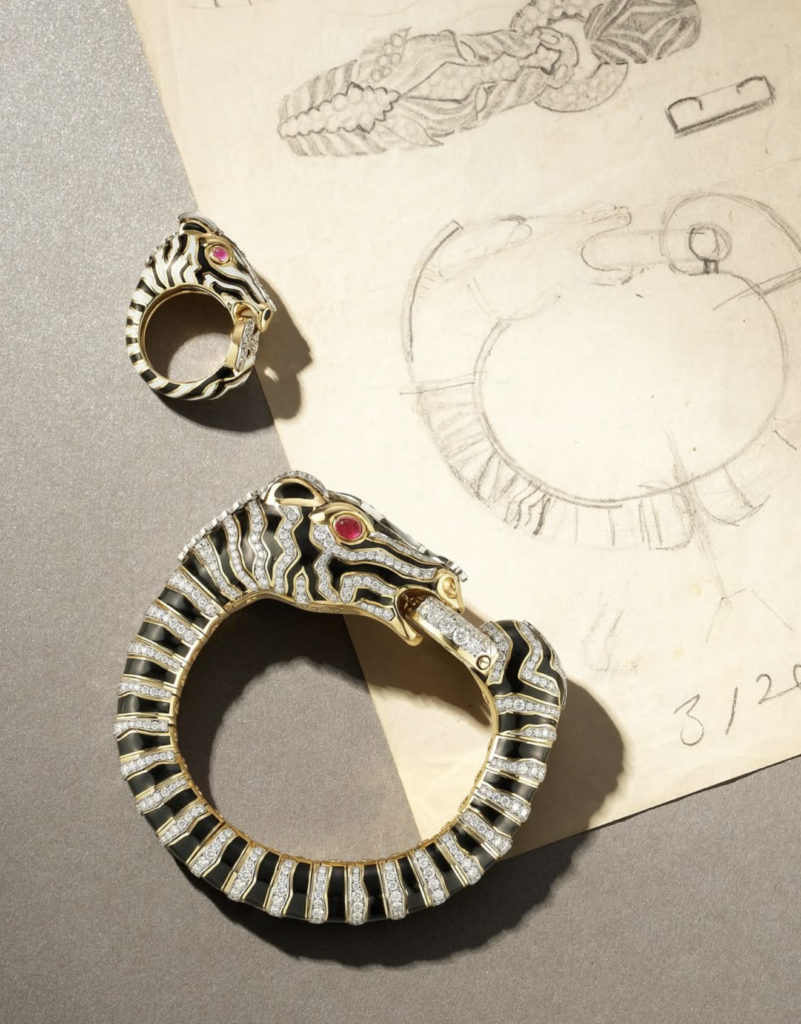
Designed in 1963, Webb’s black-and-white enamel Zebra Bracelet became one of the most recognizable American jewels of the twentieth century. Diana Vreeland famously wore the design, and in 1964 Webb received the Coty American Fashion Critics’ Award for his animal jewelry.
The zebra eventually became the house’s emblem.
Its cultural importance went beyond fashion when a David Webb Zebra Bracelet entered the permanent collection of The Metropolitan Museum of Art in 2018. The Met describes Webb as a leading twentieth-century American jeweler whose originality, historical references, pop sensibility and workshop craftsmanship helped define his importance.
Made in New York
Another important part of David Webb’s identity is where the jewelry is made.
The house says its jewelry has been produced exclusively in New York since 1948. Today, more than two dozen craftspeople work in the workshop above its Madison Avenue flagship, continuing processes that include gold hammering, enameling, stone carving, polishing and gemstone setting.
The house also maintains an extraordinary archive containing more than 40,000 original drawings, renderings, records and design ideas, allowing new generations of craftsmen and designers to continue developing Webb’s visual language without simply recreating the past.
A Legacy Beyond David Webb
David Webb died in 1975 at only 50 years old, but unlike many houses that lose their identity after the death of a founder, his company remained active.
The enormous archive he left behind gave the house a blueprint for continuity. His vocabulary—animals, enamel, hammered gold, hardstones, geometry and unapologetic scale—was so specific that a David Webb jewel could remain recognizable decades later.
The company entered another chapter in January 2025 when it was acquired by investment group Middle West Partners, which said it intended to preserve the house’s craftsmanship, design legacy and American identity.
What David Webb Represents Today
David Webb occupies an unusual position in luxury jewelry.
It is historic without behaving conservatively. It is luxurious without depending exclusively on enormous diamonds. And it has created something increasingly difficult for luxury brands to achieve: a visual identity that can often be recognized without seeing the name.
Black-and-white enamel. Hammered yellow gold. Cabochon gemstones. A ruby-eyed zebra wrapping around the wrist.
That is David Webb.
More than 75 years after its founding, the house still represents one of America’s strongest arguments that high jewelry can be precious, sophisticated and impeccably crafted—while also being fearless, eccentric and fun.