Luxury retailers take precautions as violent demonstrations disrupt Milan’s commercial center and prompt a major government security response.
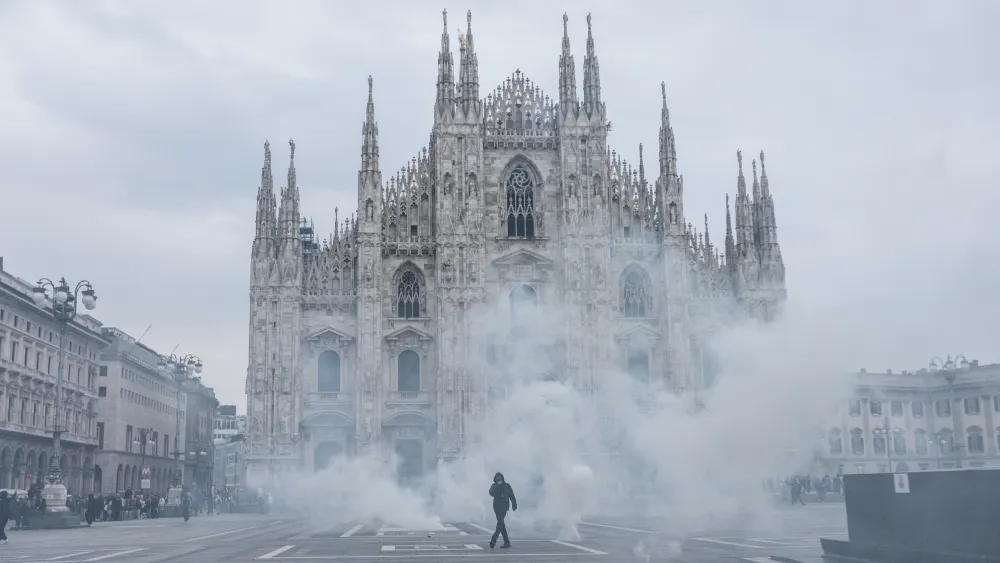
Milan, one of the world’s most influential fashion capitals, is confronting a wave of unrest after demonstrations over the rising cost of living, public services and broader social concerns escalated into violence across the city’s historic center. What began as peaceful protests on October 17, 2026, quickly developed into confrontations between demonstrators and police, with stores looted, windows shattered and property set ablaze. The disturbances continued into the following day, leaving retailers, residents and local authorities facing the consequences of a turbulent weekend.
AP News
+1
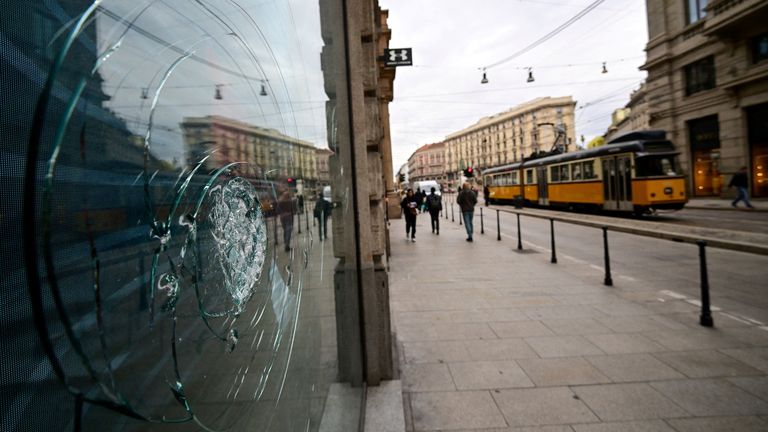
The violence spread through areas surrounding Piazza del Duomo, a major commercial and tourist destination. Sporting goods retailers, including Decathlon and Arc’teryx, were among the businesses targeted, alongside other commercial establishments. Masked individuals reportedly smashed storefronts and entered shops while police attempted to disperse crowds using water cannons and tear gas. The destruction disrupted businesses and raised concerns about the safety of Milan’s central shopping districts.
Luxury Fashion Takes Precautions
The unrest quickly drew attention from the international fashion industry. Along Via Montenapoleone, one of Europe’s most prestigious luxury shopping streets, brands including Chanel, Dior and Tiffany & Co. removed merchandise from window displays as a precaution. Other retailers closed early or secured their storefronts, concerned that further demonstrations could bring additional damage. Although the reported looting primarily affected other retail businesses, the security measures taken by luxury houses underscored the uncertainty surrounding the situation.
MarketScreener
+1
For Milan, the consequences extend beyond damaged storefronts. Fashion, tourism and luxury retail are deeply connected to the city’s international identity and commercial economy. Disruptions in prominent shopping areas can affect consumer confidence, retail operations and the experience of visitors who travel to Milan for its celebrated fashion culture. The situation also highlights the vulnerability of major shopping destinations when broader economic and social frustrations intensify.
Italy Responds With Stronger Security Measures
Prime Minister Giorgia Meloni’s government responded by announcing tougher security measures, including the deployment of 500 additional soldiers to Milan through the end of 2026. The government’s October 20 decree also introduced provisions addressing violent participation in demonstrations and financial responsibility for property damage, including damage caused by minors. The decree must be converted into law by parliament within 60 days.
The Washington Post
+1
The developments have sparked a wider debate about the balance between public safety and the right to protest. Milan Mayor Giuseppe Sala acknowledged the legitimacy of concerns motivating the demonstrations while condemning the violence and destruction. Across Europe, similar protests over living costs and public services have placed additional pressure on governments to address economic frustrations without allowing demonstrations to deteriorate into disorder.
A Fashion Capital at a Crossroads
Milan’s unrest represents more than a temporary disruption to luxury shopping. It reflects mounting tensions surrounding affordability, economic opportunity and public services, issues affecting communities across Europe. As authorities work to restore stability and businesses assess their losses, attention is turning toward whether stronger security measures can prevent further violence while addressing the grievances that initially brought demonstrators into the streets.
For an international city built on creativity, commerce and cultural influence, the challenge is significant. Milan must protect its residents, visitors and businesses while preserving the openness that has helped establish its global reputation. The coming weeks will test how effectively the city can navigate both public frustration and the economic consequences of the unrest.