
Victoria’s Secret has spent much of 2026 expanding the idea of its famous Fashion Show beyond a single night on the runway. In April, the company opened a nationwide search for its next Angel, eventually drawing more than 100,000 applicants. That search became Angels Among Us, a YouTube docuseries following aspiring models through the casting process, with one winner set to walk the Victoria’s Secret Fashion Show and receive an exclusive contract with IMG Models. It was an ambitious attempt to turn casting itself into entertainment and make the audience part of the journey.
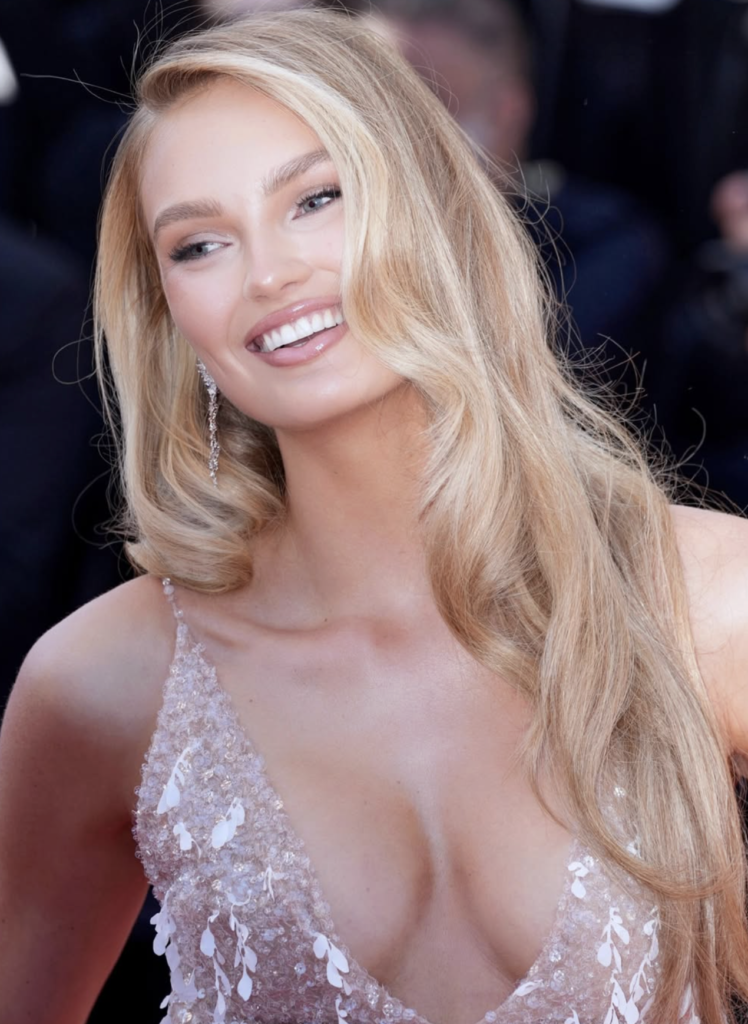
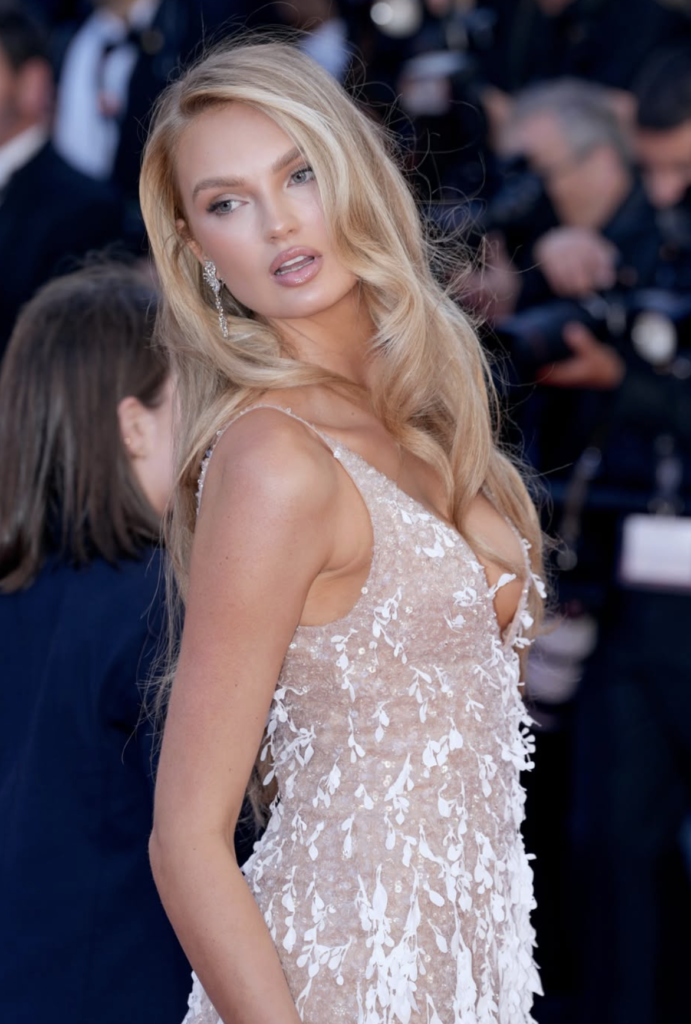
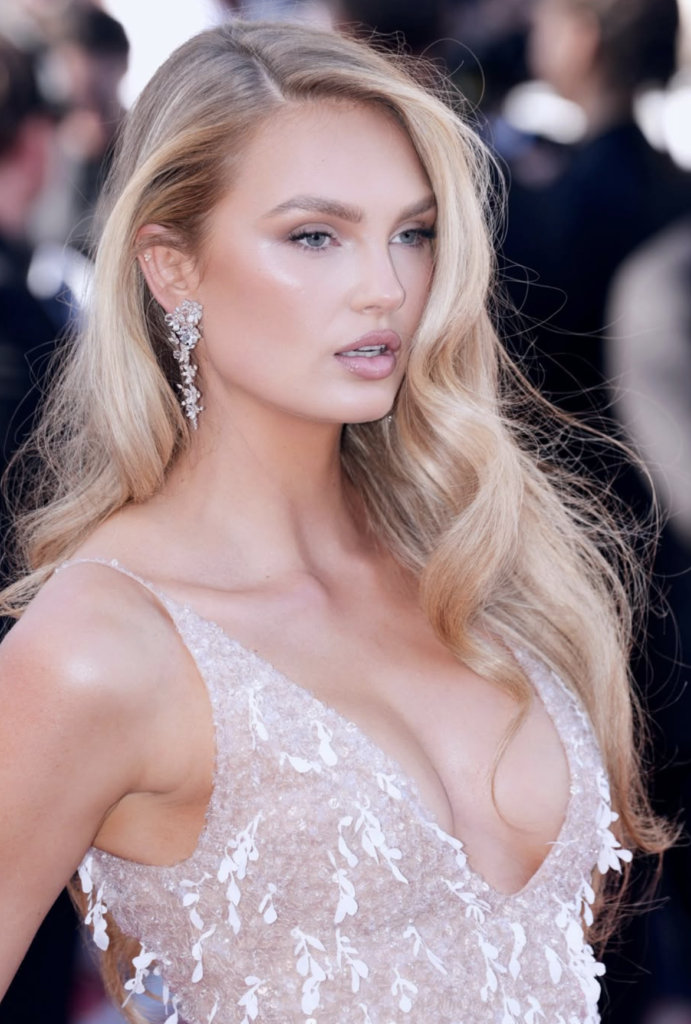
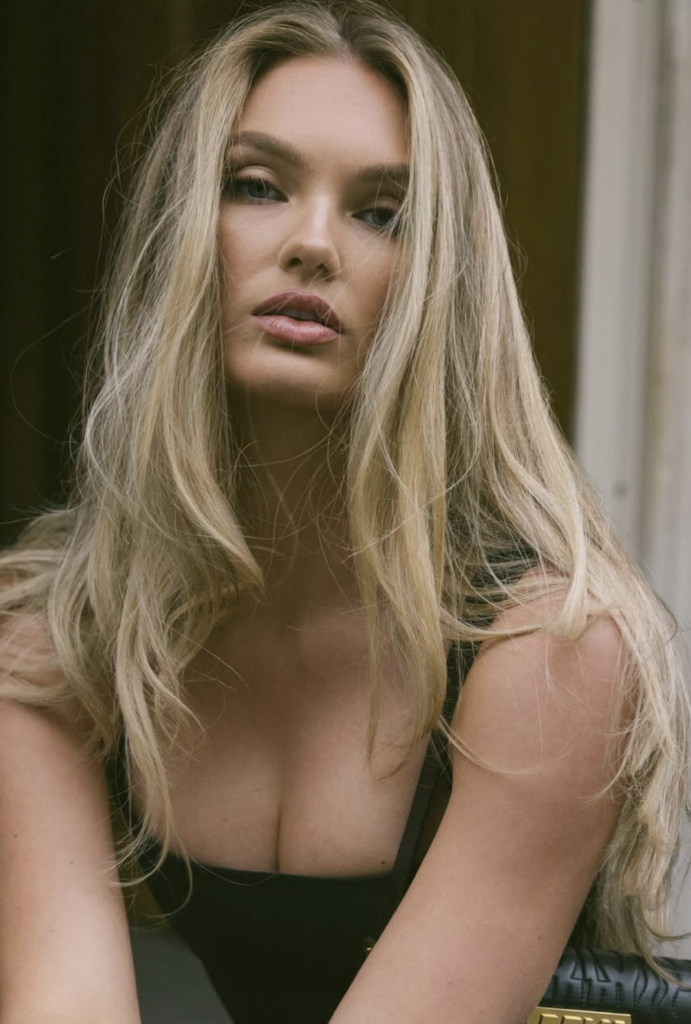
Then, just days before the October 18 show, a very different Victoria’s Secret story began moving across social media. Romee Strijd, the Dutch model and former Angel who walked in five consecutive Victoria’s Secret Fashion Shows between 2014 and 2018, revealed that she had attempted to return to the runway. According to Strijd, she trained throughout the summer, traveled to New York for a September casting and then spent approximately five weeks waiting for a definitive answer.
The answer eventually came less than a week before the show: she had not been selected. Strijd said she was told that although the casting team thought she looked great, they did not believe she fit this year’s show. Rejection itself was not the part she appeared to take greatest issue with. In her account, the more frustrating experience was spending weeks continuing to train while receiving little clarity about whether she was still being seriously considered. She later said the experience left her feeling unsupported and that she did not expect to cast for the show again in the future.
That distinction matters because Strijd was not competing in Victoria’s Secret’s public Angels Among Us competition. The public campaign was a separate search designed to discover a new face, while Strijd attended the traditional show casting as an established working model. Conflating the two would make for a dramatic headline, but it would not be accurate. What makes the comparison interesting is that both stories were unfolding around the same brand at essentially the same time.
One was carefully produced. The other was lived in real time.
That is where this becomes more than fashion-industry drama. Victoria’s Secret had invested in an elaborate narrative about access, aspiration and giving someone a chance to become the next Angel. Strijd, meanwhile, simply turned on her phone and explained what it felt like to prepare for a return, remain uncertain for weeks and ultimately be told she would not be part of the show. Her story contained the ingredients marketers routinely try to engineer—history,
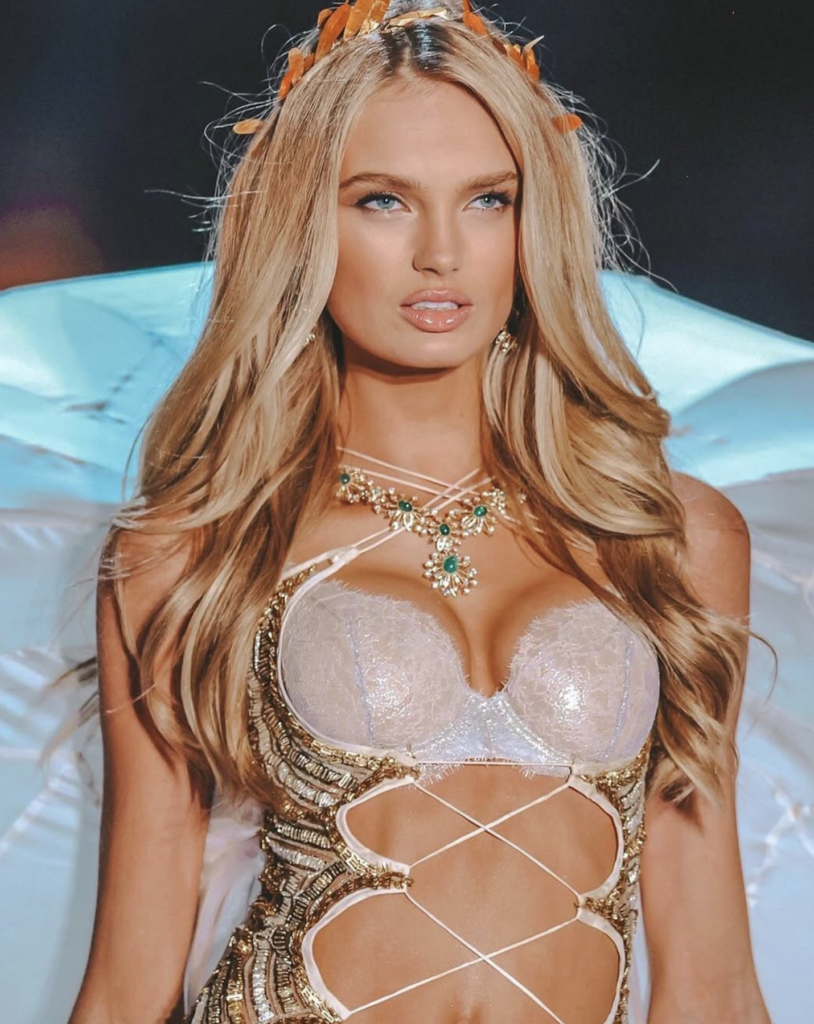
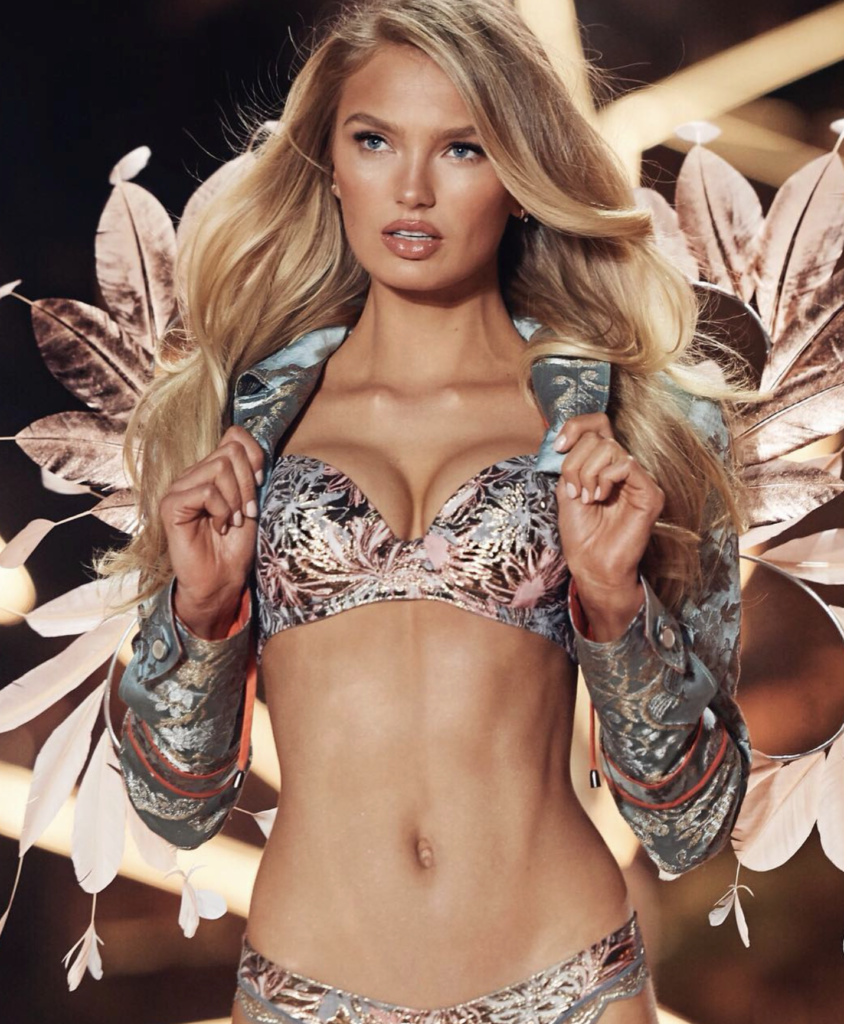
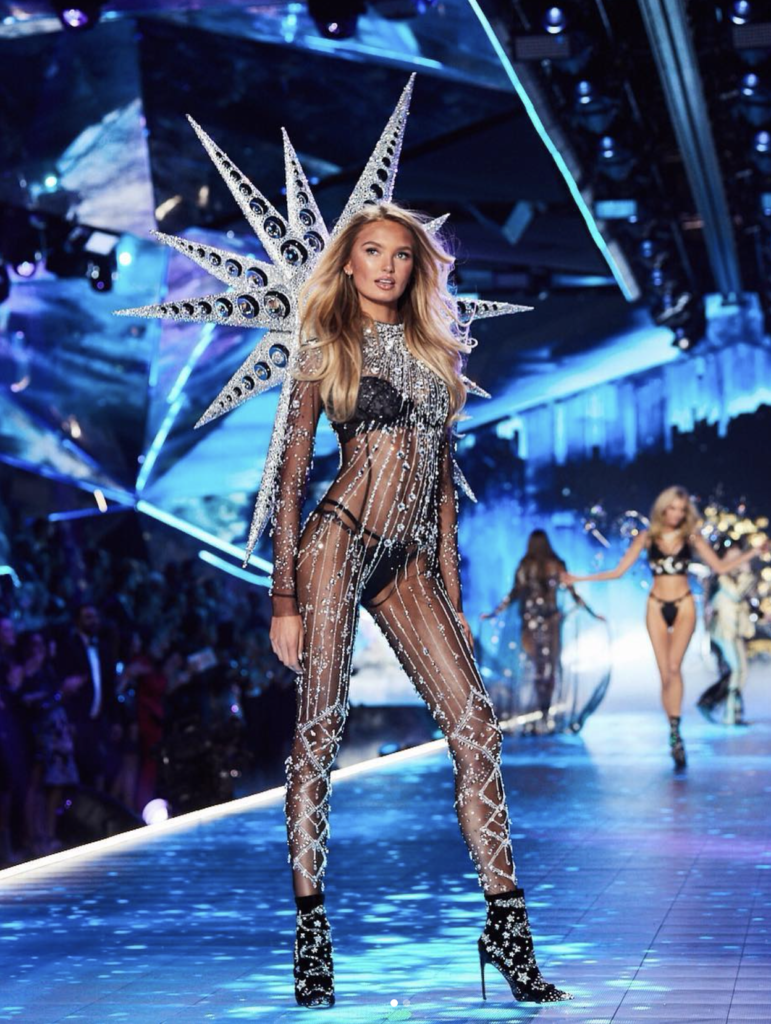
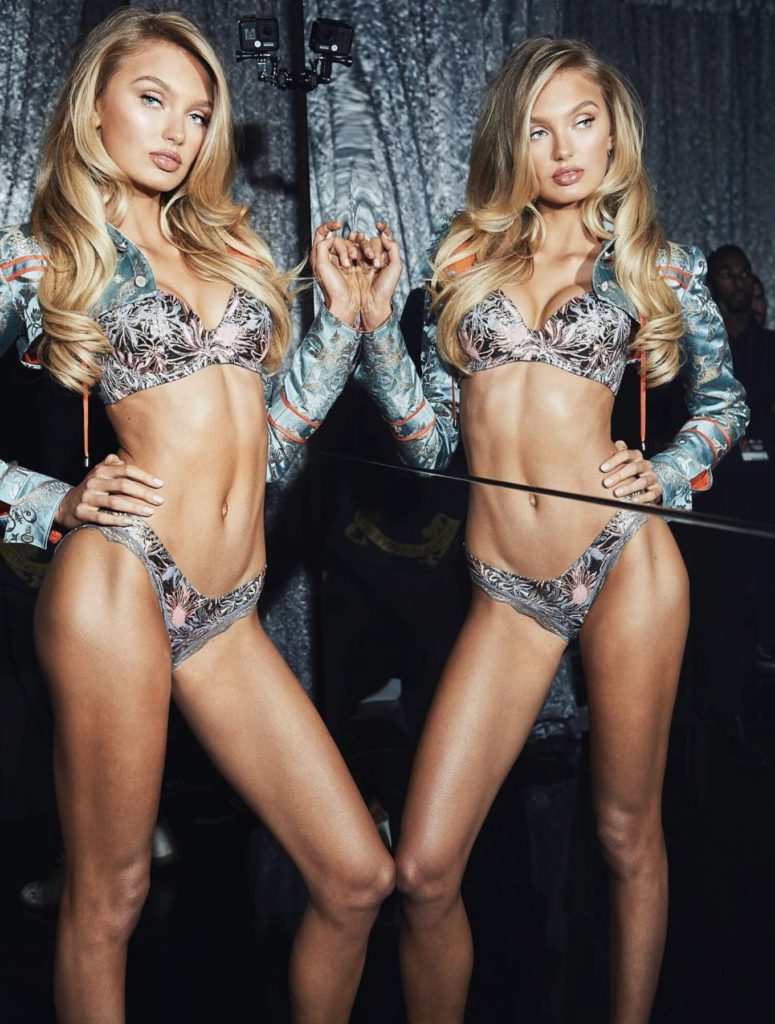
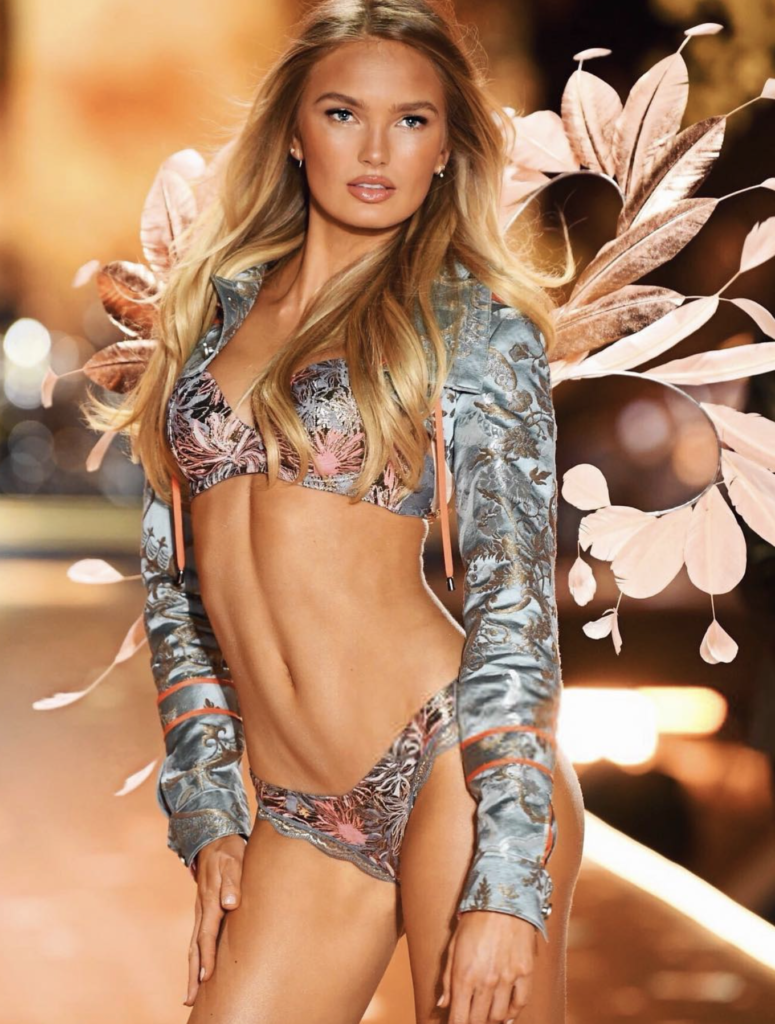
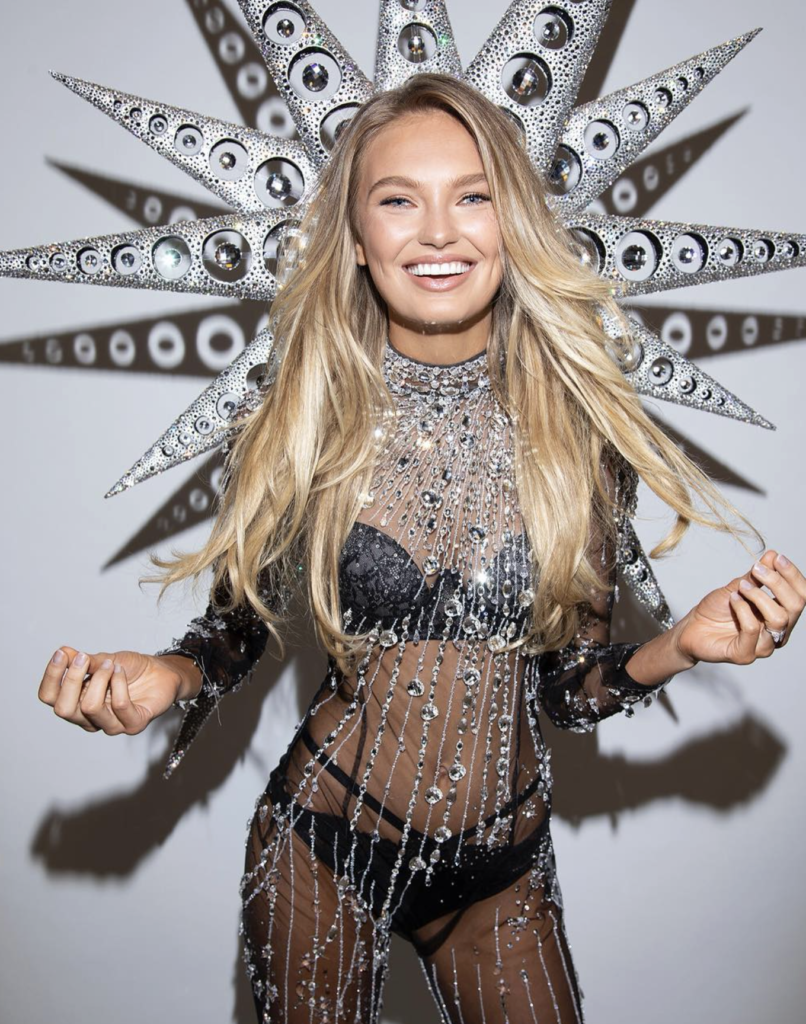
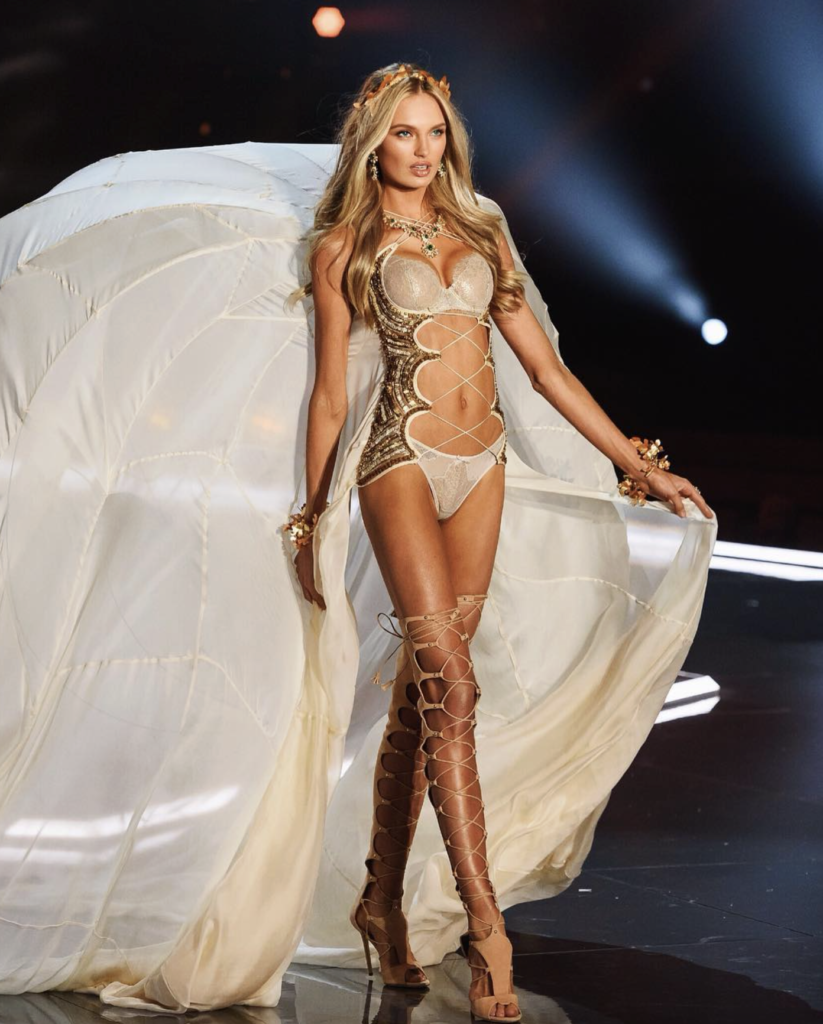
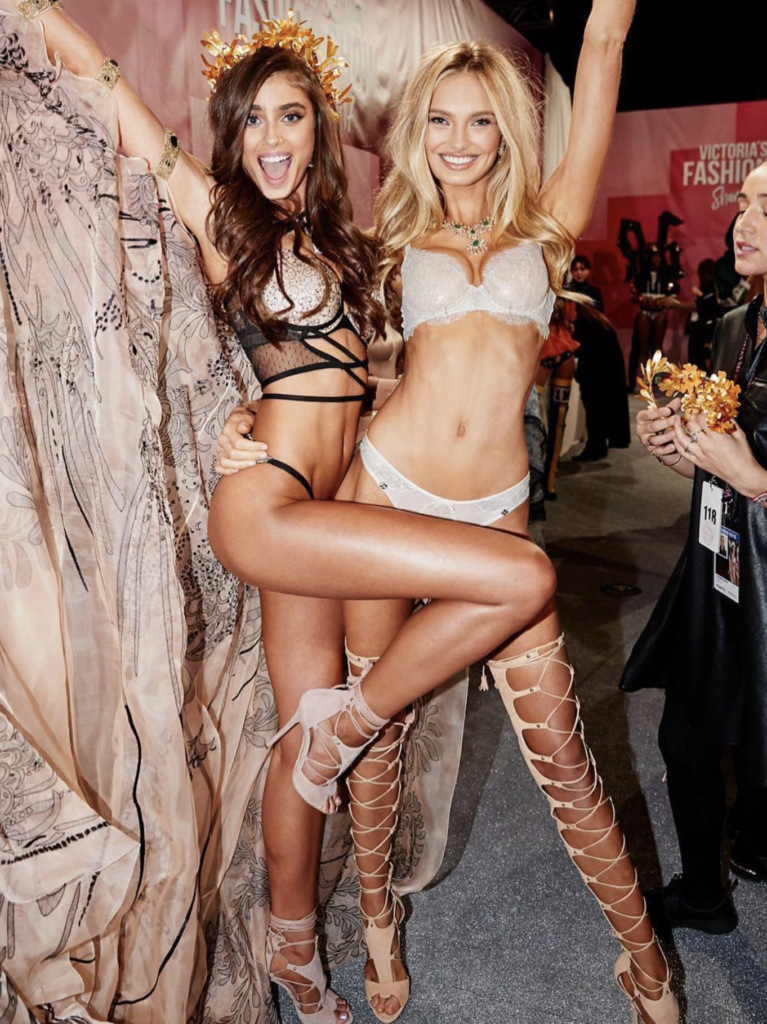
vulnerability, stakes, uncertainty, disappointment and a recognizable protagonist—but none of them needed to be invented.
The social-media numbers circulating around the story also require some context. Independent tracking shows Victoria’s Secret’s Instagram account moving from approximately 76.96 million followers in June 2026 to about 76.76 million in August, a decline of roughly 203,000 followers. However, the account subsequently began recovering, reaching approximately 76.89 million followers by October 13. The summer decline is real, but presenting it as evidence that one campaign failed—or suggesting Strijd’s videos caused the loss—would go beyond what the data can establish.
Victoria’s Secret’s campaign should not be dismissed as unsuccessful either. More than 100,000 people entered its casting search, the company turned the process into a seven-episode YouTube series, and the winner is scheduled to be revealed during the Fashion Show in Los Angeles on October 18. That represents significant audience participation and a major expansion of the Fashion Show into an ongoing entertainment property rather than a single annual broadcast.
The more interesting lesson is about control. For decades, brands controlled most of the story surrounding their talent. Casting happened behind closed doors, campaigns arrived fully polished and audiences largely consumed the version of events that companies chose to release. Social media has changed that relationship. Models, employees, creators, customers and collaborators can now become publishers themselves, sometimes reaching an audience before a communications department has decided what it wants to say.
Strijd’s videos demonstrate why first-person storytelling can be so powerful. She was not commenting on someone else’s experience. She was describing her own. There was no need to convince viewers that the stakes were real because she had already invested months of work into the outcome. That does not automatically make every interpretation of the situation correct, but it makes the emotion behind the story exceptionally difficult for conventional brand messaging to compete with.
For marketers, that may be the most important takeaway from this entire moment. The lesson is not that large campaigns no longer matter, nor that polished creative work should be abandoned for shaky smartphone videos. Victoria’s Secret has built one of fashion’s most recognizable marketing machines, and Angels Among Us demonstrates that the company continues to experiment with how that machine operates. The lesson is that audiences increasingly distinguish between a story that has been constructed for them and a story they feel they are witnessing as it happens.
Victoria’s Secret created a campaign about finding an Angel. Romee Strijd created no campaign at all. She simply told people what happened when she tried to become part of the show again.
Sometimes, that is the more powerful marketing story.