
The Swedish EV brand’s latest concept introduces a new design language, a renewed focus on the driver and technology destined for future Polestar models.
Polestar is giving the world its clearest look yet at what comes next.
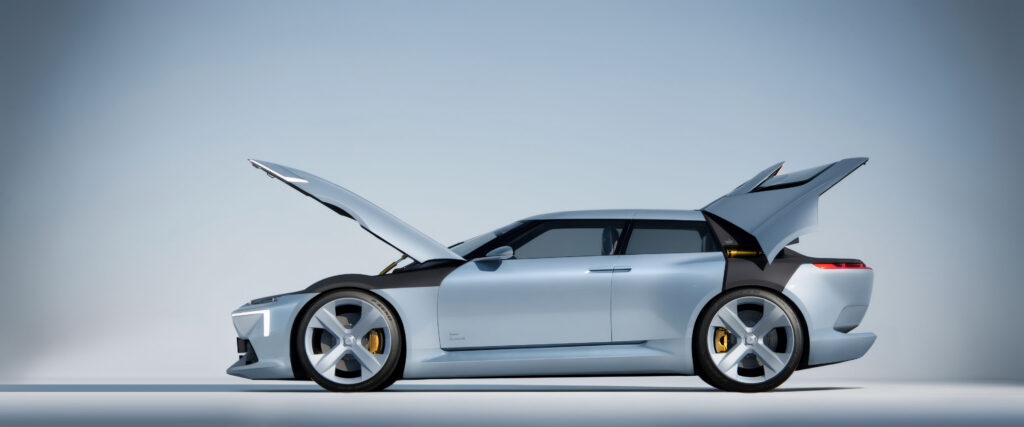
The Swedish electric performance brand has unveiled the Polestar Formula 2030, a low, four-door sports car concept designed as the physical expression of its wider Formula 2030 strategy. Rather than previewing one specific production vehicle, the concept brings together the design, technology, sustainability and performance ideas that will shape Polestar’s next generation.
Formula 2030 is also the first Polestar show car developed under Head of Design Philipp Römers.
A New Face for Polestar
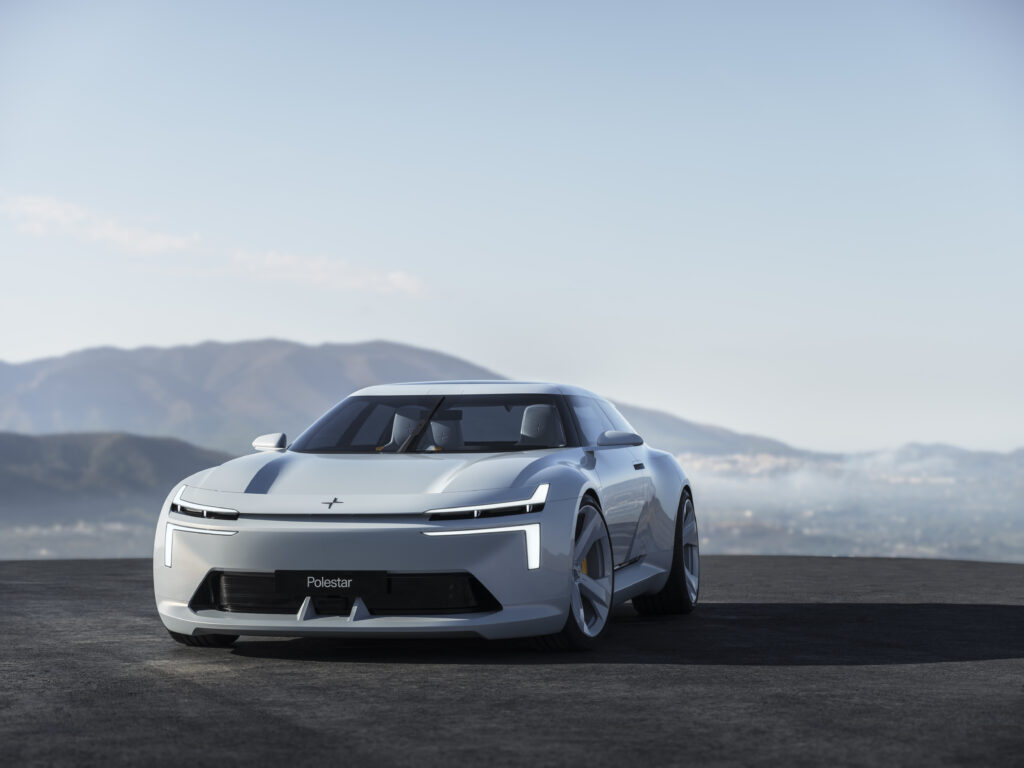
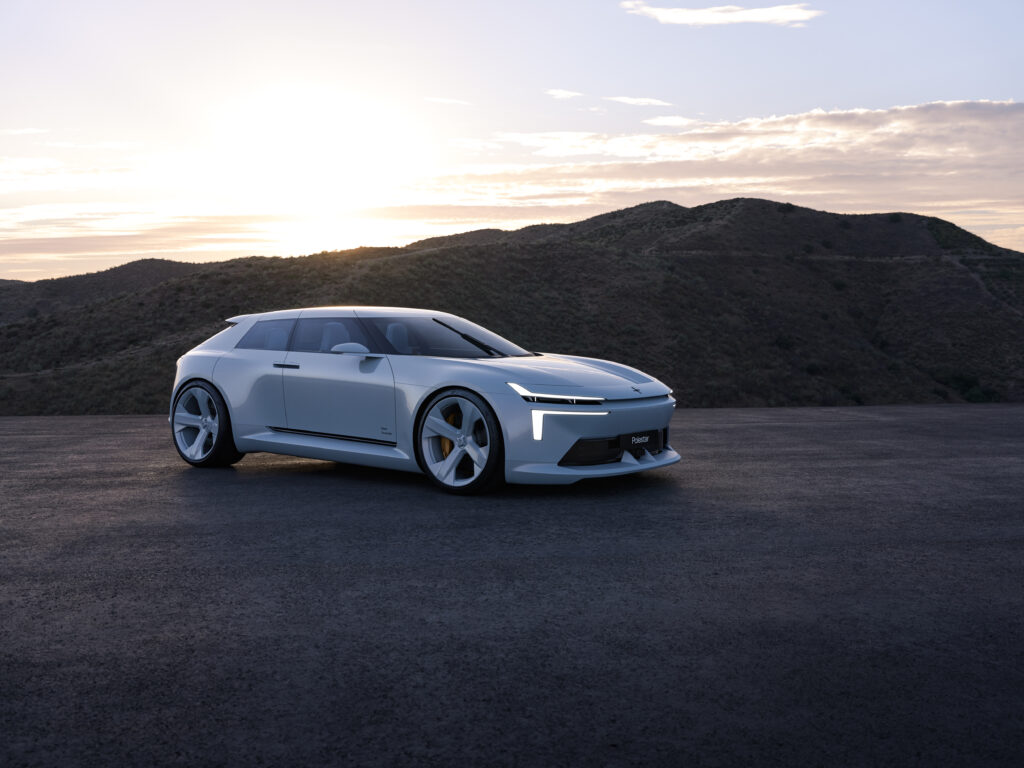
The concept retains recognizable elements of Polestar’s existing design language while making the overall package lower, wider and more performance-focused.
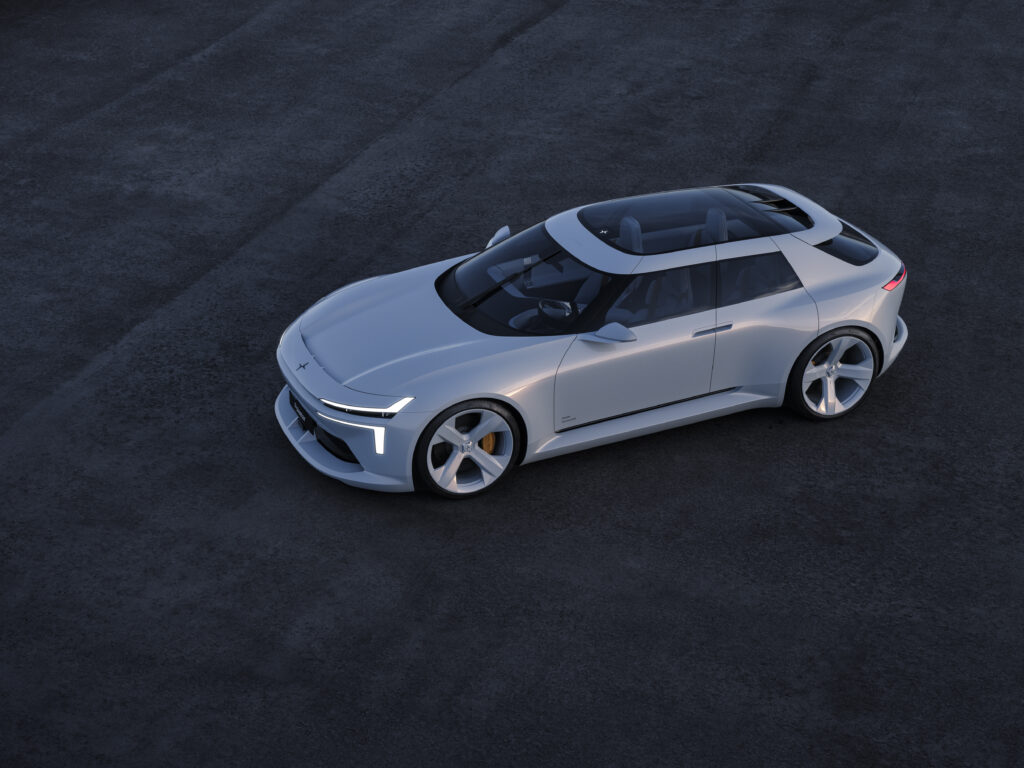
Measuring 4,680 mm long and just 1,350 mm high, Formula 2030 sits lower than the Polestar 5 and rides on 22-inch wheels.
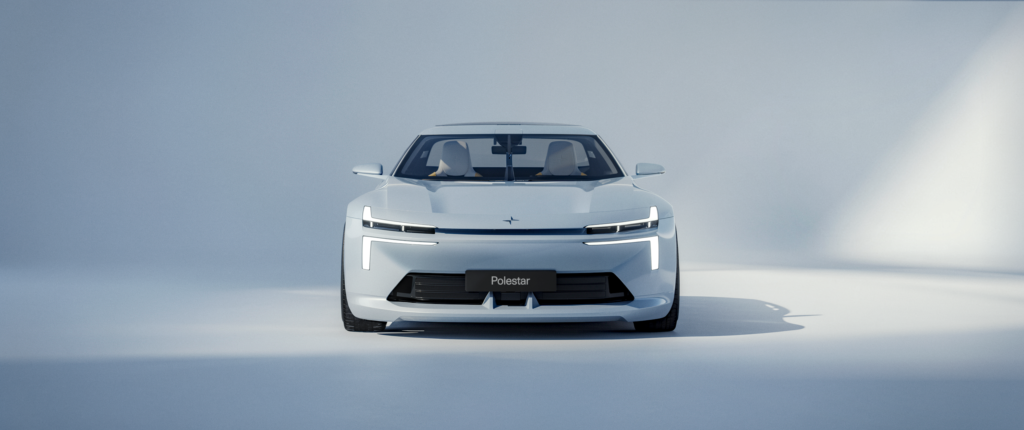
At the front, Polestar’s Dual Blade headlights are integrated into a new aerodynamic wing above a pronounced shark-nose fascia. The design is significant: Polestar says the front treatment previews the next-generation Polestar 2.
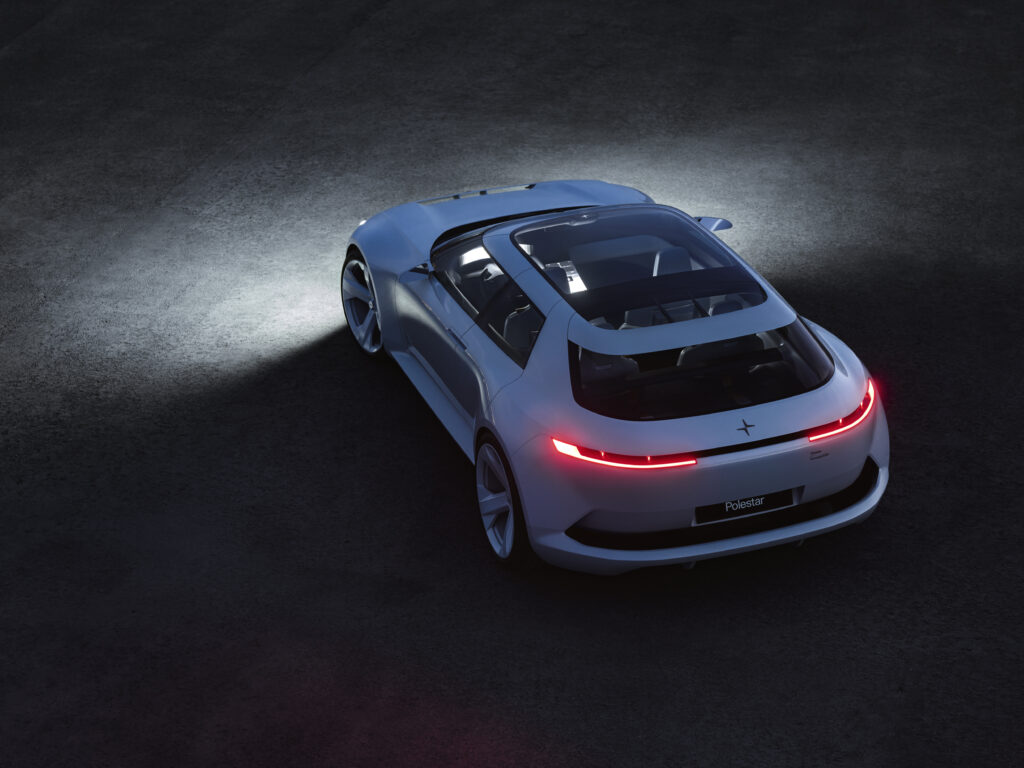
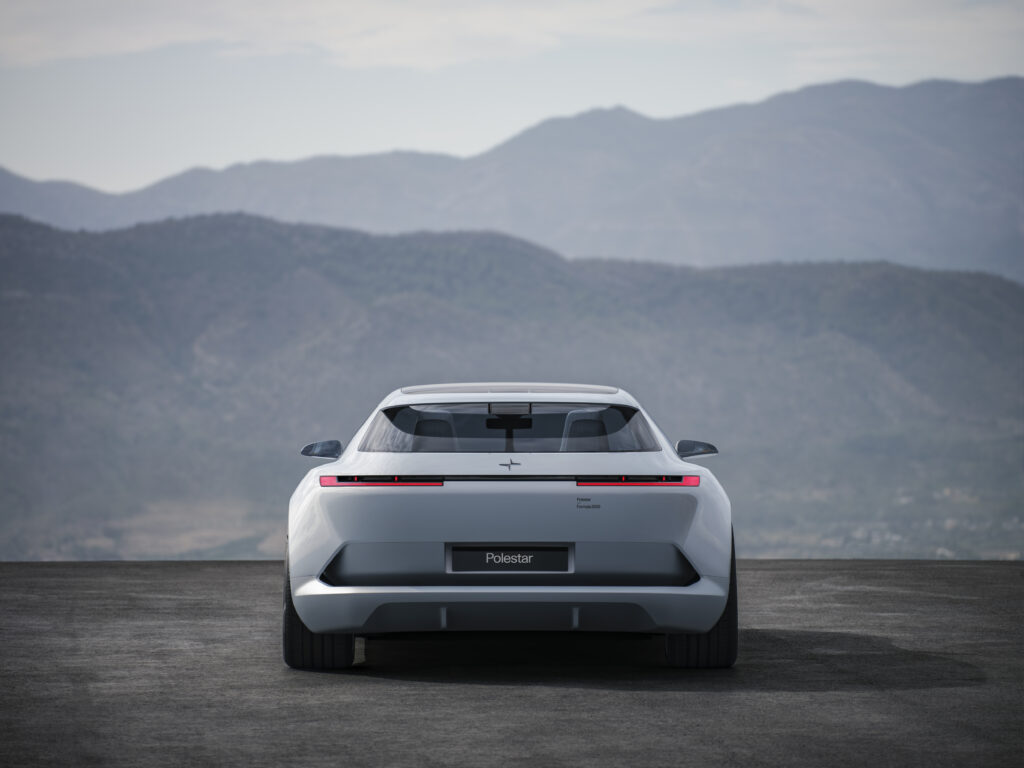
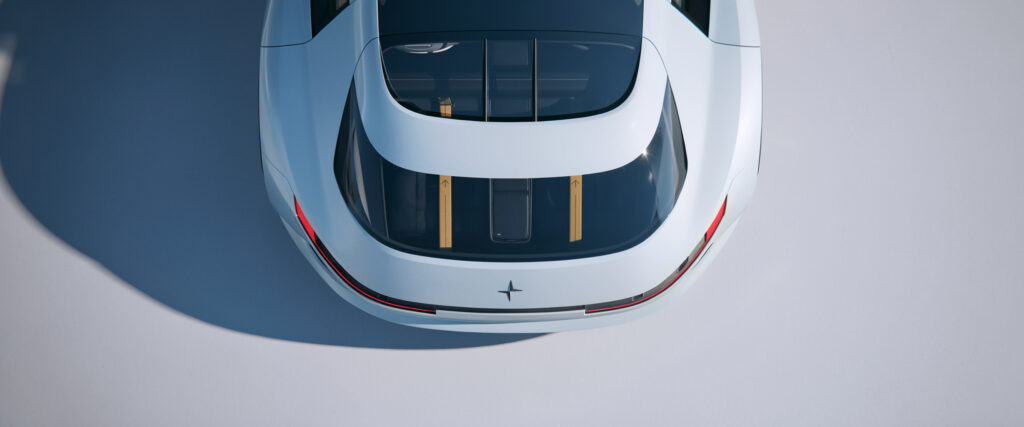
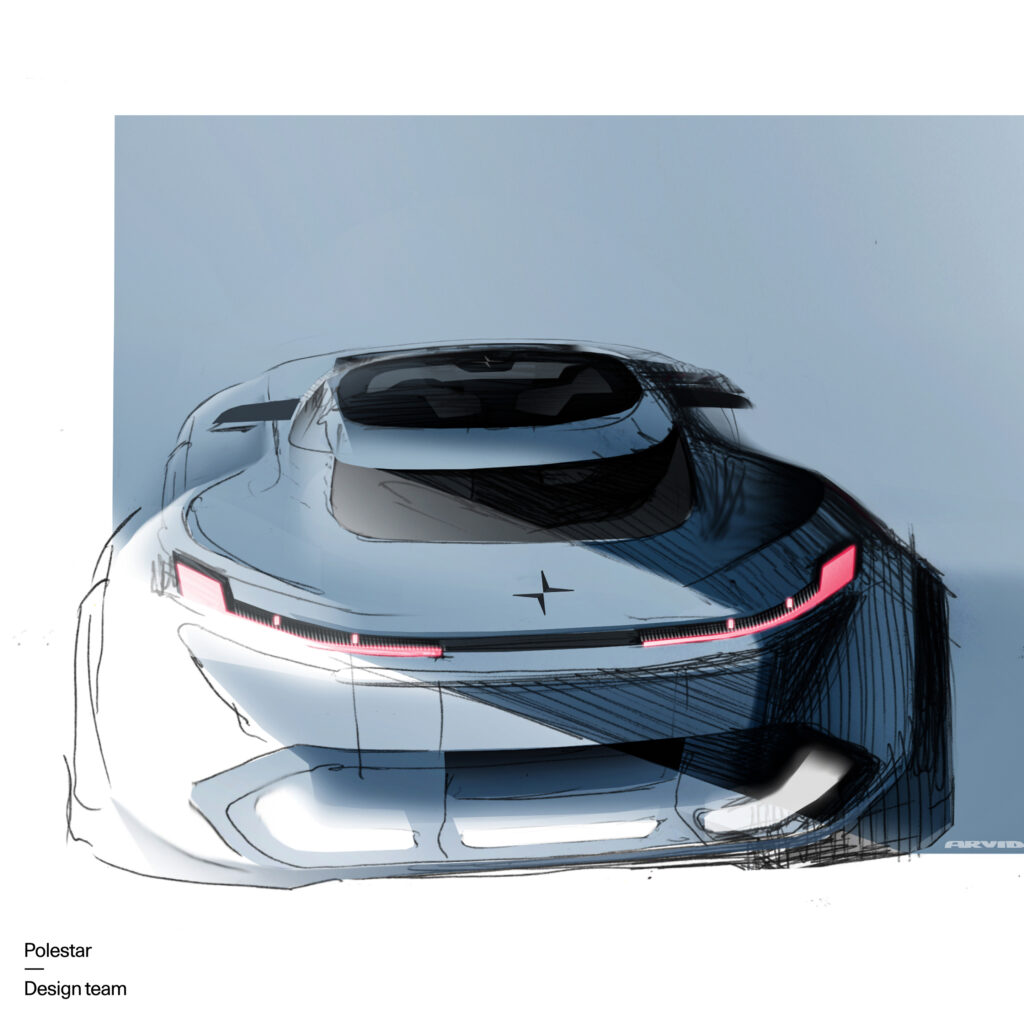
The rear represents an equally important change. The familiar full-width light bar has disappeared, replaced by a new Single Blade lighting signature that points toward the forthcoming Polestar 7.
A single vertically mounted windshield wiper, wraparound glass, muscular rear haunches, concealed LiDAR and a dramatic rear diffuser give the concept an unmistakably futuristic character without abandoning Polestar’s Scandinavian minimalism.
Polestar Puts the Driver Back at the Center
The interior may be an even bigger indication of where the brand is heading.
Formula 2030 features a curved 20-inch HyperDIM driver display mounted directly to the steering column alongside a 12.2-inch center display.
More importantly, physical controls are returning.
Eight customizable switches and controllers sit beneath the center screen, allowing Polestar to combine digital interfaces with tactile interaction rather than forcing every vehicle function through a touchscreen.
The cabin can also transform around three driving settings: Performance, Normal and Autonomous. Depending on the selected mode, the center display, steering wheel and seating position adjust to create a different driving environment.
Steer-by-wire technology, integrated Google Gemini functionality and concealed LiDAR further illustrate how Polestar sees technology working around the driver rather than dominating the cabin.
Sustainability Becomes Part of the Design
Formula 2030 also advances Polestar’s work with lower-impact and more recyclable materials.
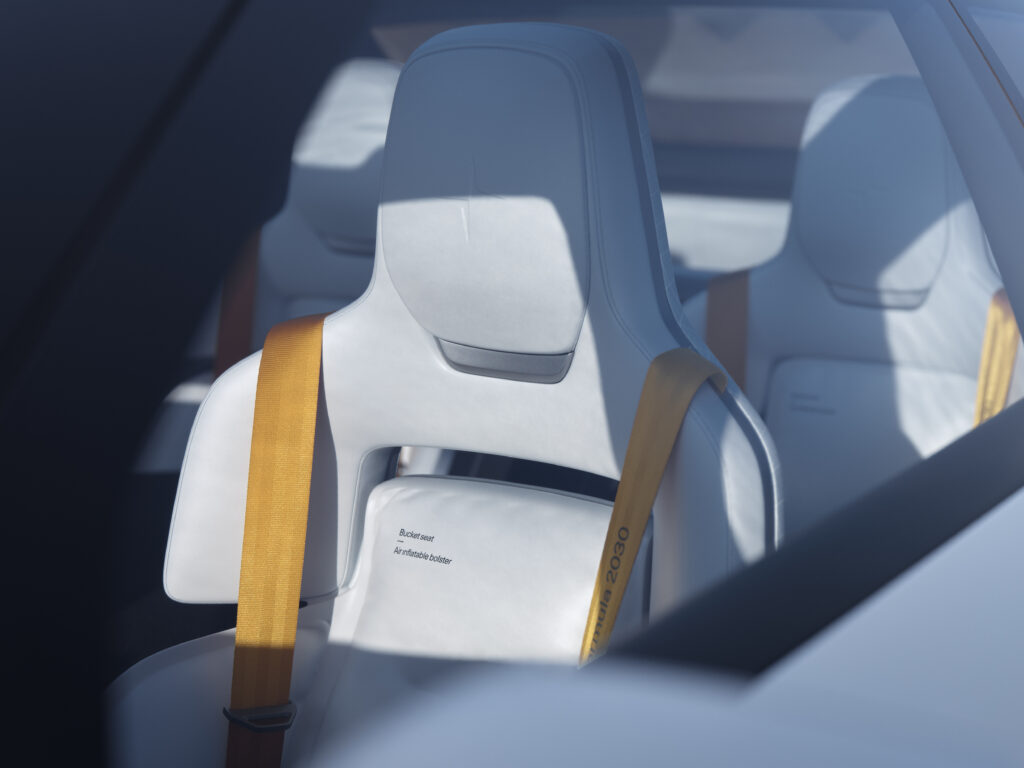
Its new Nitrogen exterior color covers the body, wheels and aerodynamic components in a tone-on-tone combination of gloss, matte and satin finishes. Swedish Gold accents appear on the Brembo brake calipers, seatbelts and interior details.
Inside, seat backs use a composite combining European flax with bio-based polypropylene. Structural components incorporate low-emission galvanized steel made using recycled material and renewable energy, while the interior door construction follows a mono-material approach designed to improve recyclability.
Formula 2030 may not be headed directly to dealerships, but Polestar has made clear that this is far more than a styling experiment.
The next Polestar 2 will be among the first production vehicles to carry its influence, followed by the Polestar 7.
For Polestar, Formula 2030 is less about imagining an unreachable future and more about showing us what its next generation is already becoming.