
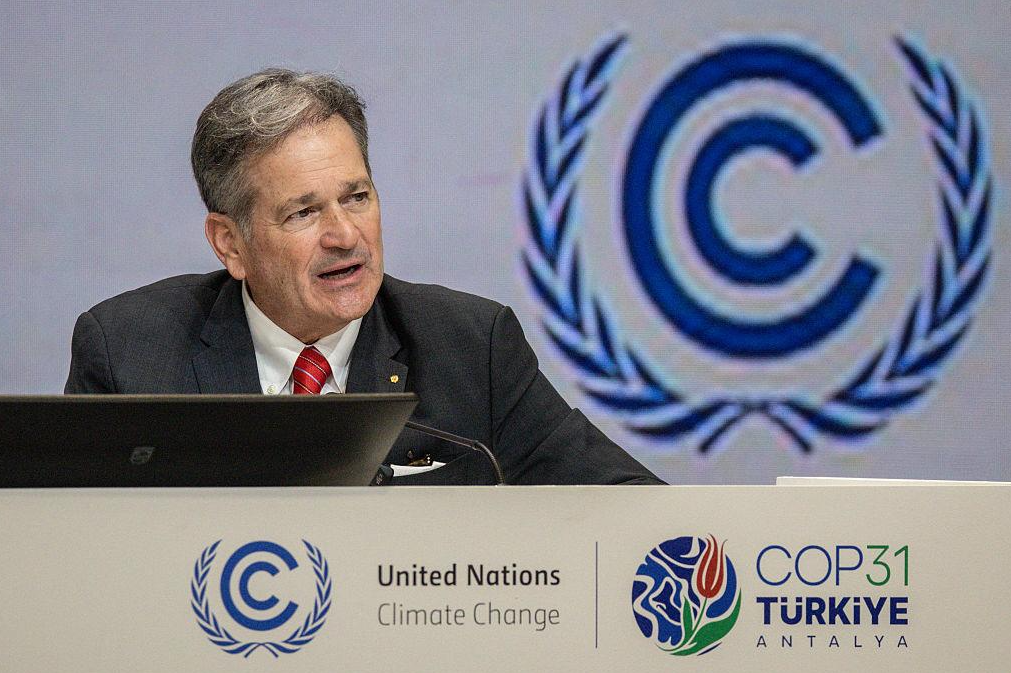
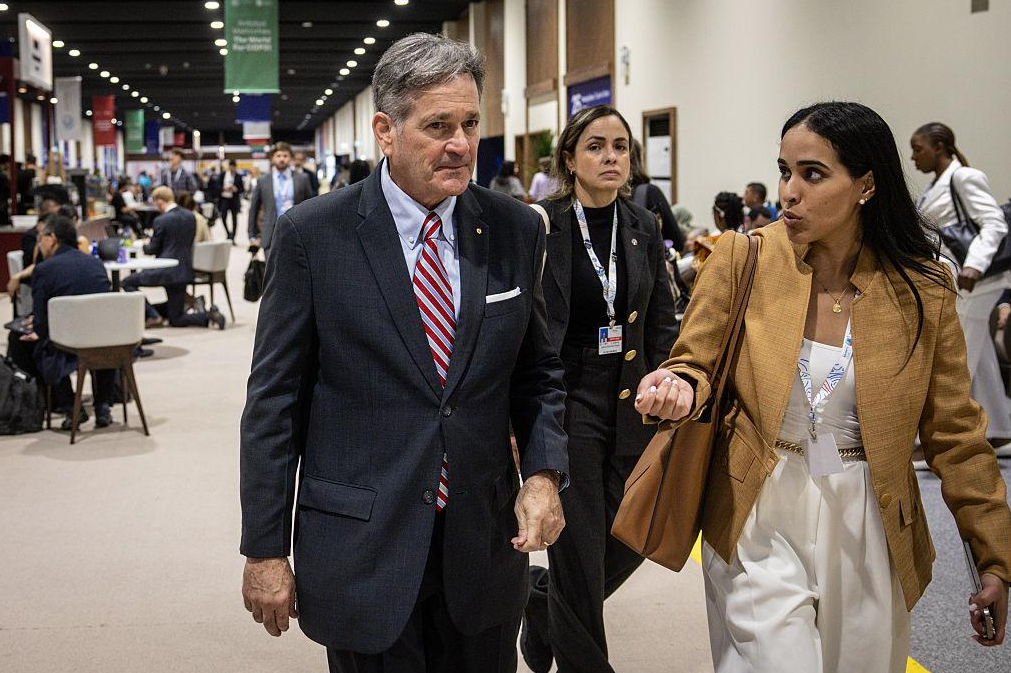
Panama emerged as one of the strongest voices opposing the proposed final agreement at COP31, arguing that the text failed to match the urgency of climate science and weakened commitments previously made by the international community.
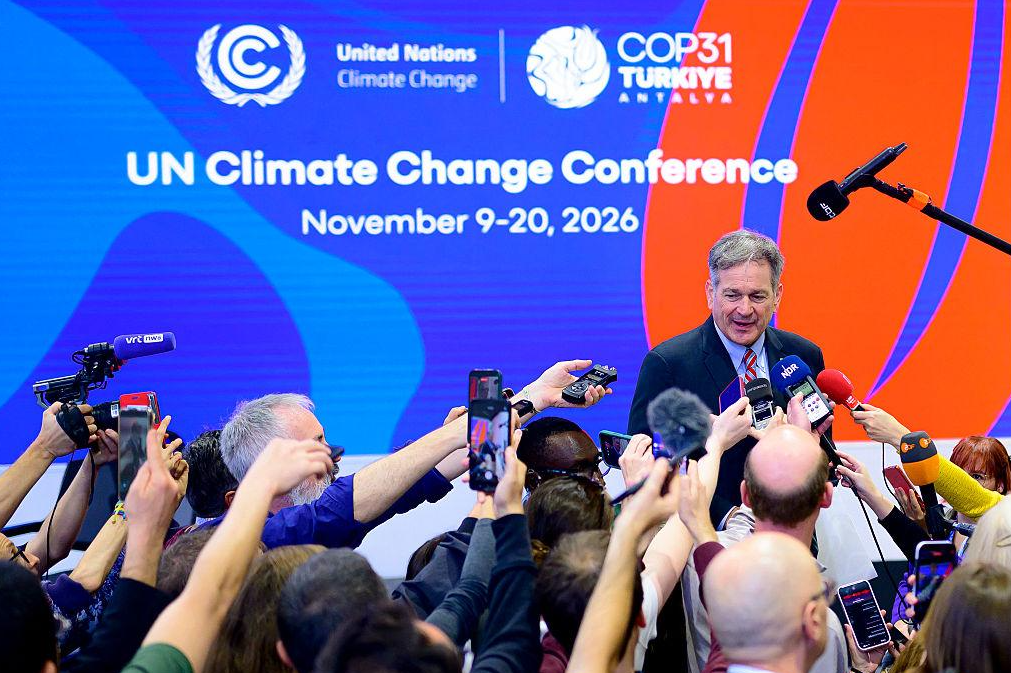
The United Nations climate summit in Antalya, Türkiye, ended without an overarching political agreement after nearly 200 countries failed to reach consensus. Panama joined the European Union, United Kingdom, Marshall Islands, Norway, Vanuatu and others in objecting to the proposed text.
At the center of the dispute was fossil fuels.
The final draft did not explicitly mention coal, oil or natural gas, despite the scientific consensus that fossil fuel use is the primary driver of human-caused climate change and despite previous international commitments to transition away from them.
Panama’s delegation argued that the agreement repeated existing promises without sufficiently closing the gap between current action and what scientists say is required to limit global warming. It also criticized what it viewed as an excessive dependence on technologies such as carbon capture and storage rather than deeper changes to the global energy system.
For Panama, the debate is particularly immediate.
The country says it is carbon negative and has invested extensively in protecting its forests, oceans and the Panama Canal watershed. Yet changing rainfall patterns, drought and the effects of El Niño have already created challenges for the canal, one of the world’s most important trade routes.
Severe drought conditions in 2023 forced authorities to restrict canal operations as water levels declined. Panama is now developing a reservoir in the Río Indio basin designed to strengthen water security for residents while supporting the canal’s long-term operation.
Panama framed its COP31 position as a question of climate justice: countries that have historically contributed relatively little to global emissions can still face significant economic and environmental consequences from a warming planet.
The disagreement went far beyond Panama.
Several governments argued that accepting a final COP31 agreement without stronger fossil-fuel language would represent a retreat from earlier climate commitments. Other countries, including major oil and gas producers, resisted language that would explicitly call for a transition away from fossil fuels and emphasized national control over energy policy and technologies such as carbon capture.
The divisions ultimately proved impossible to bridge.
COP31 closed on November 22 without its signature overarching decision, although negotiators did reach agreements in several individual areas, including work surrounding a just transition.
UN Climate Change Executive Secretary Simon Stiell acknowledged the disappointment surrounding the outcome and warned that the international climate process must continue to follow scientific evidence as climate impacts intensify.
For Panama, the message coming out of Antalya was clear: reaching an agreement simply for the sake of consensus was not enough. The country argued that any global climate deal must reflect both the scale of the scientific challenge and the responsibilities of nations most responsible for historical emissions.
COP31 may be over, but the disagreement that brought negotiations to a standstill remains unresolved — how quickly the world is prepared to move away from fossil fuels, who will finance that transition and how much compromise climate diplomacy can afford as temperatures continue to rise.