
The Paris-born marketplace has turned professionally refurbished electronics into a multibillion-dollar business while challenging one of technology’s most powerful habits: constantly buying new.
For decades, the consumer technology business has operated around a familiar cycle. A new device launches. Consumers upgrade. Yesterday’s phone, laptop or tablet moves into a drawer, a resale marketplace or, eventually, the waste stream.
Back Market is building its business around disrupting that cycle.
Founded in Paris in 2014 by Thibaud Hug de Larauze, Quentin Le Brouster and Vianney Vaute, Back Market created a marketplace dedicated to professionally refurbished technology. The premise is relatively simple: instead of convincing consumers that the newest device is automatically the best purchase, give existing electronics another life—and make buying refurbished feel considerably closer to buying new.
What Exactly Is Back Market?
One distinction matters.
Back Market is not simply a warehouse filled with secondhand phones, nor does the company itself refurbish every product appearing on its website.
It operates a marketplace of professional refurbishers. Those sellers source devices, restore and test them, and then sell them through Back Market’s platform. Back Market says it works with more than 1,500 vetted sellers worldwide and accepts only about one in three sellers that apply to join its marketplace.
The company then attempts to standardize an industry that has historically suffered from inconsistent definitions of what “refurbished” actually means.
Under its quality program, devices can undergo inspections covering batteries, displays, cameras, connectivity, biometric sensors, serial numbers, ports and other hardware. Smartphone inspections can include as many as 100 checkpoints. Back Market also specifies a minimum 80% battery capacity for standard refurbished devices sold through the marketplace.
Purchases currently include a 30-day return period and a one-year limited warranty provided by the seller, although accidental damage and certain other conditions are excluded.
That infrastructure is important because Back Market’s biggest challenge isn’t simply finding used electronics.
It is trust.
Consumers may like the lower cost of refurbished technology, but many still worry about battery health, hidden damage, longevity and reliability. Much of Back Market’s strategy therefore revolves around making refurbished products feel less like a compromise.
From Paris Startup to Global Marketplace
The concept has moved far beyond startup scale.
Back Market now reports approximately 18 million customers across 17 markets. In 2025, gross merchandise value reached $3.5 billion, representing 32% year-over-year growth, while the company reached break-even profitability.
The company has also raised more than $1 billion from investors since its founding.
In April 2026, TIME included Back Market on its TIME100 Most Influential Companies list and named it among the companies helping reshape the retail sector.
Leadership has evolved as the company has grown. On September 1, 2026, former CFO Clément Petit became CEO, while co-founder Thibaud Hug de Larauze moved into the role of Executive Chairman, where he remains focused on long-term strategy.
The Business of Extending Technology’s Life
Back Market’s proposition works at the intersection of two powerful consumer concerns: price and sustainability.
Premium smartphones, laptops and other electronics have become increasingly expensive. A professionally refurbished previous-generation device can offer consumers access to premium technology without paying the full price of buying the latest model.
At the same time, extending the lifespan of electronics can reduce the need for additional manufacturing and help limit electronic waste.
Back Market has made that philosophy part of its brand identity, openly campaigning against what it calls “fast tech”—the cycle of overproduction, frequent upgrades and premature replacement of devices that may still have useful life remaining.
The company is also a certified B Corporation. B Lab currently lists Back Market with an overall B Impact Score of 93.2, above the certification threshold of 80.
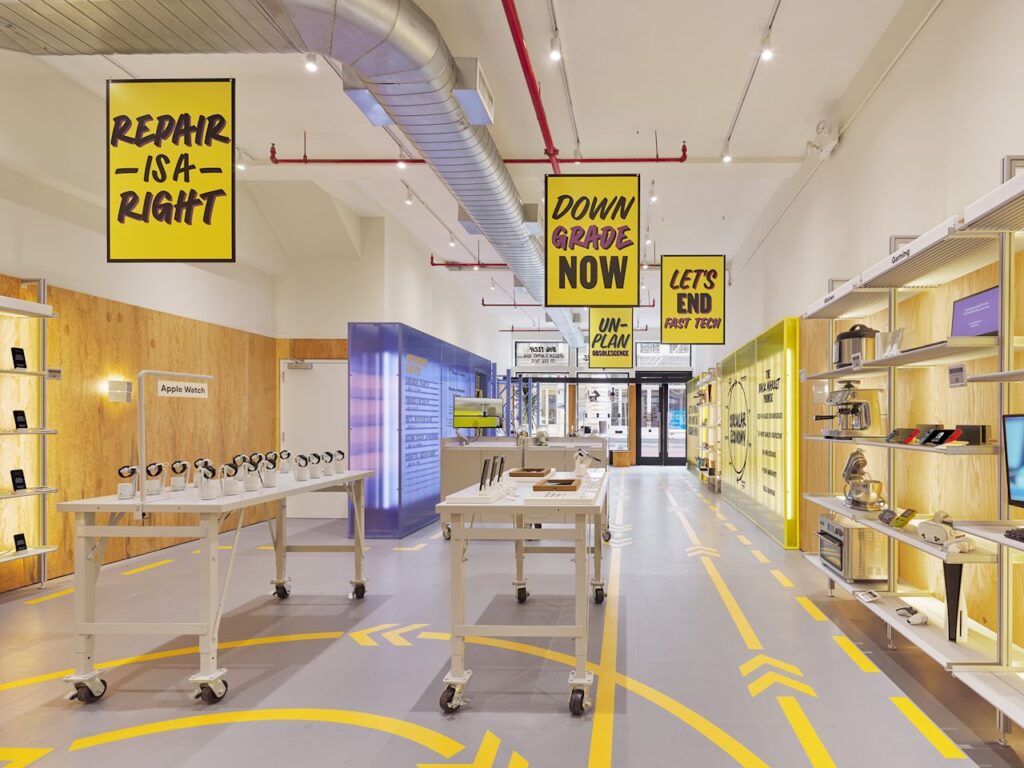
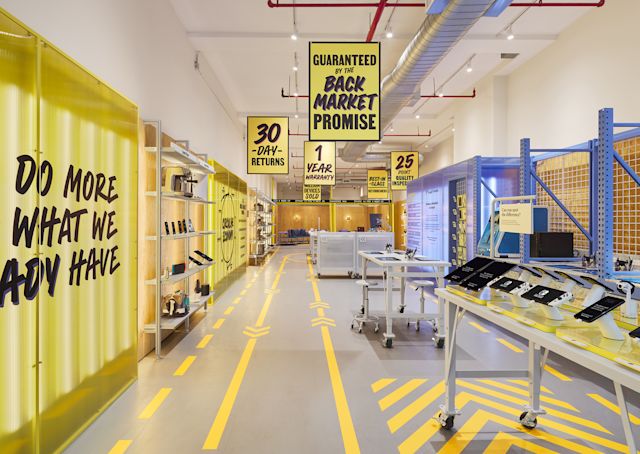
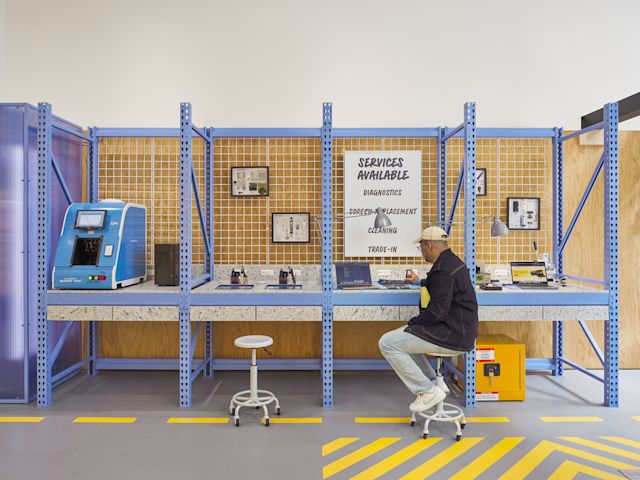
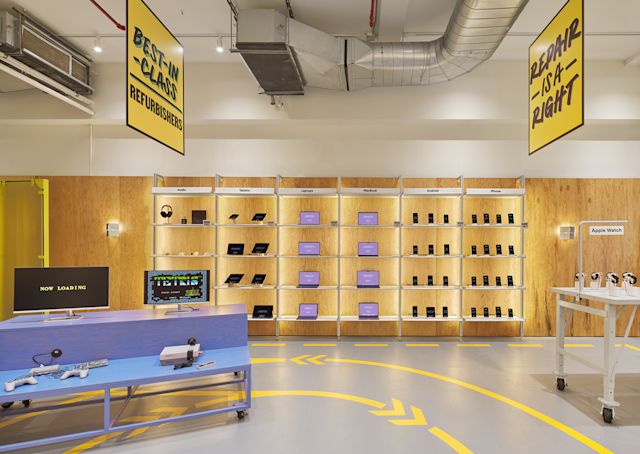
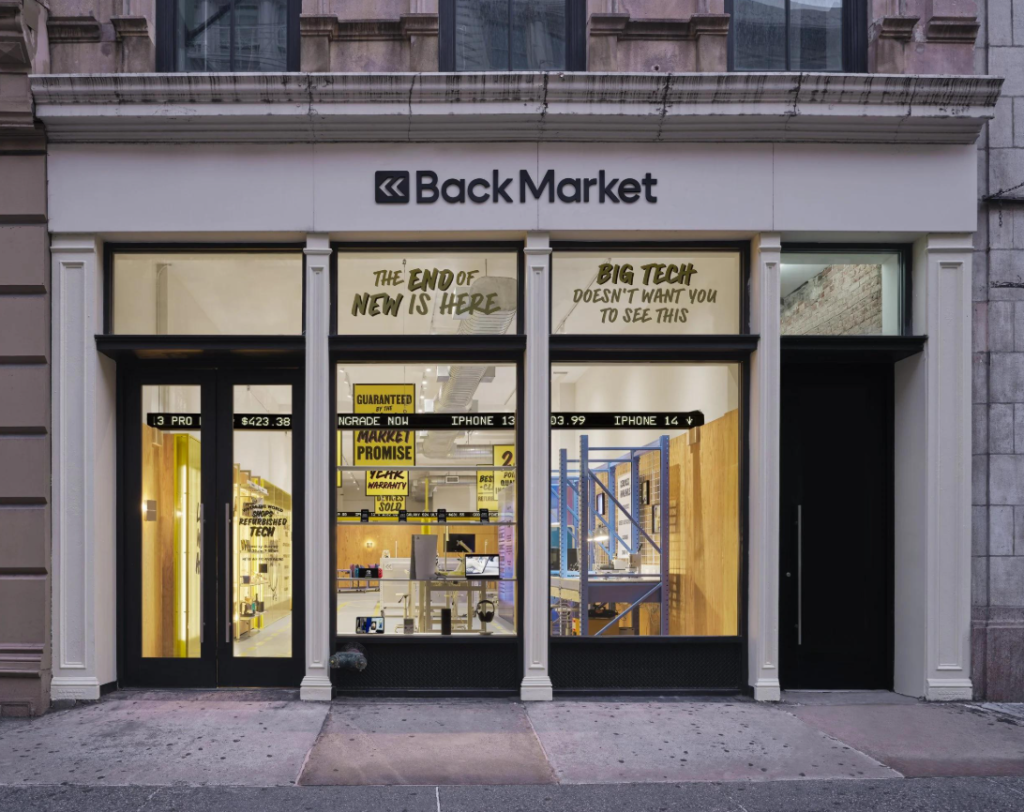
Back Market Wants Your Old Technology, Too
The model is increasingly circular.
Through Back Market’s Trade-in service, consumers can submit information about devices they no longer need and receive purchase offers from professional refurbishers. Eligible categories include smartphones, tablets, laptops, MacBooks, gaming consoles and audio products.
That means Back Market increasingly participates at both ends of the device lifecycle: helping existing owners move unwanted technology back into circulation and helping new customers purchase professionally restored products.
In October 2026, the company also introduced new initiatives including The Outlet, Back Bot and Back Check, aimed at improving affordability, diagnostics and refurbishment standards as it expands its “slow tech” strategy.
Can Refurbished Become the Default?
That may be the bigger question behind Back Market.
The company is not merely competing with other used-device marketplaces. Its long-term challenge is changing consumer psychology.
Apple, Samsung and other manufacturers have spent years turning product launches into cultural events. Carriers make upgrading relatively effortless. Consumers have been trained to associate “new” with better, safer and more desirable.
Back Market is betting that another idea can become equally attractive:
Keep good technology working longer.
Price is certainly part of that equation. Sustainability is another. But the company’s long-term success may ultimately depend on whether it can remove the perceived risk attached to refurbished electronics.