
From its historic streets and celebrated art scene to exceptional restaurants and luxury hotels, San Miguel de Allende proves that Mexico’s cultural heartland remains one of the world’s most compelling travel destinations.
SAN MIGUEL DE ALLENDE, MEXICO — Mexico has another reason to celebrate. San Miguel de Allende, the colorful city nestled in the central highlands of Guanajuato, has been voted the world’s best city in Travel + Leisure’s 2026 World’s Best Awards.
With a reader score of 93.07, San Miguel de Allende claimed the top position ahead of Kyoto, Japan; Chiang Mai, Thailand; and Hoi An, Vietnam.
The recognition reinforces the city’s international reputation as a destination where history, contemporary creativity, Mexican hospitality, and sophisticated travel experiences come together.
But beyond the international accolades, what makes San Miguel de Allende so extraordinary?
A City Where History Is Part of Everyday Life
Founded during the 16th century, San Miguel de Allende developed into an important settlement during Mexico’s colonial period and later played a significant role in the country’s independence movement.
Its architectural legacy remains one of its greatest attractions.
In 2008, UNESCO inscribed the historic town and the nearby Sanctuary of Jesús Nazareno de Atotonilco on its World Heritage List, recognizing their exceptional cultural and architectural significance.
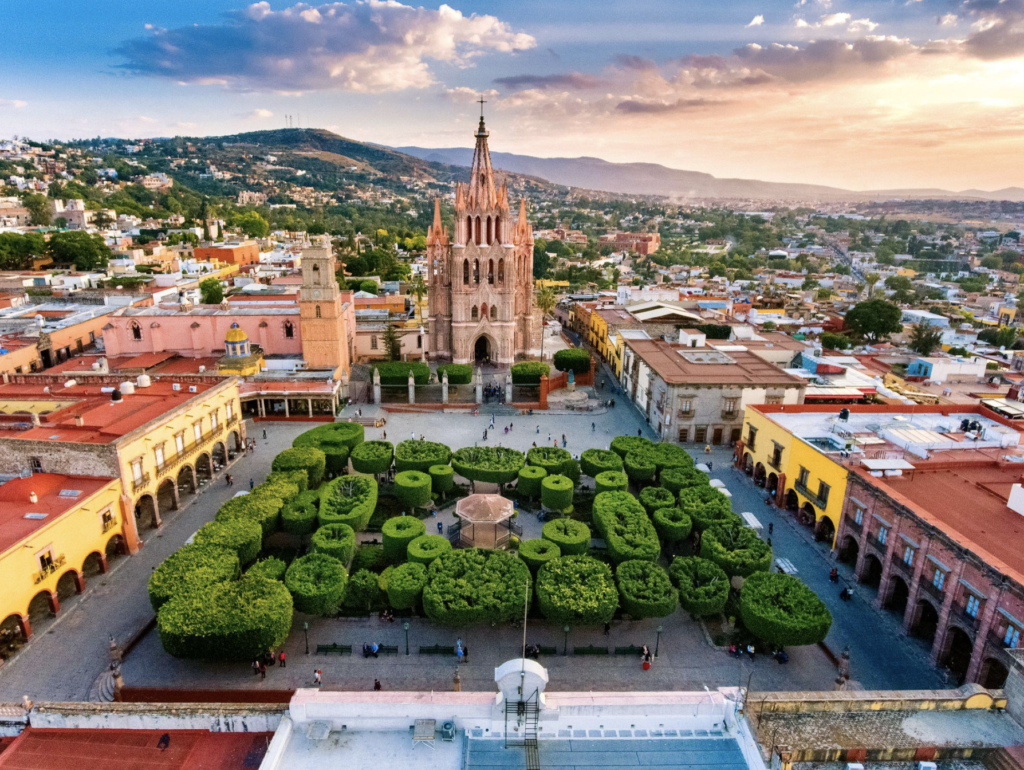
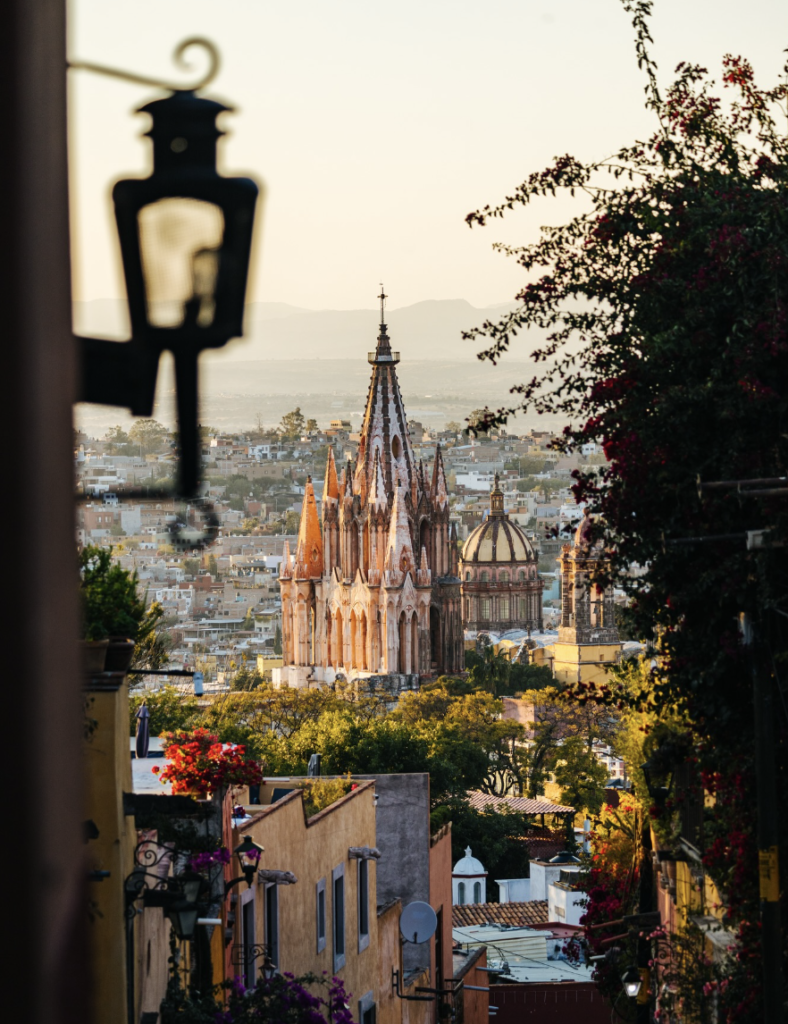
The city’s most recognizable landmark is the Parroquia de San Miguel Arcángel, the striking pink neo-Gothic parish church overlooking Jardín Allende.
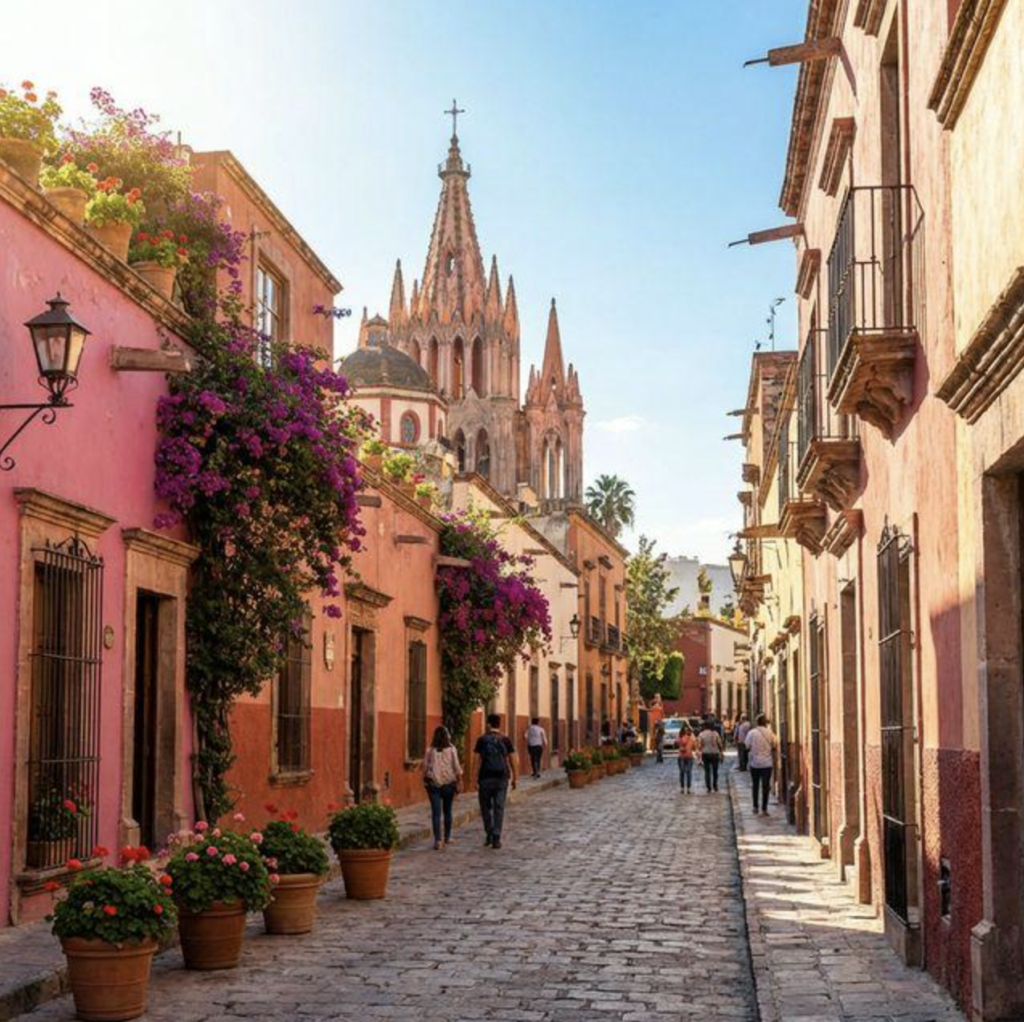
Surrounding the landmark is a maze of cobblestone streets, restored mansions, courtyards, colorful facades, and boutiques.
However, San Miguel’s appeal extends far beyond its picturesque appearance. The city remains a living cultural destination, with public celebrations, local businesses, artisans, and traditions contributing to its identity.
Mexico’s Creative Capital
Art has become inseparable from the San Miguel experience.
Over the decades, the city has attracted painters, sculptors, designers, writers, and international creatives, establishing an artistic community that continues to influence its cultural landscape.
Today, independent galleries, artisan workshops, and contemporary design spaces exist alongside historic landmarks.
One of the most distinctive local traditions is the creation of mojigangas, giant papier-mâché figures that appear during weddings, festivals, and public celebrations.
Visitors can explore this tradition through workshops with local craftspeople, gaining a deeper appreciation for the craftsmanship behind these colorful characters.
The Mercado de Artesanías also offers a window into Mexico’s rich artistic heritage, bringing together jewelry, textiles, ceramics, decorative objects, and regional handmade goods.
A Culinary Destination Worth Traveling For
San Miguel de Allende has also earned recognition for its increasingly sophisticated culinary landscape.
Traditional Mexican street food exists alongside creative restaurants, specialty coffee shops, bakeries, and rooftop dining destinations.
At Tostévere, inventive tostadas transform familiar Mexican ingredients into contemporary dishes.
Meanwhile, Bekeb, the cocktail bar created by mixologist Fabiola Padilla, celebrates Mexican ingredients and traditions through an innovative beverage program.
The city’s dining culture is complemented by its emerging wine tourism scene.
Vineyards outside San Miguel, including Cuna de Tierra and Dos Búhos, invite travelers to discover another dimension of Guanajuato’s growing culinary identity.
It is this combination of traditional food culture and modern experimentation that makes San Miguel particularly attractive to international food travelers.
The Rise of Refined Mexican Luxury
San Miguel de Allende has become one of Mexico’s most prominent destinations for boutique hospitality and luxury travel.
Rather than relying exclusively on large-scale resort development, the city offers hotels that incorporate restored architecture, intimate courtyards, distinctive interiors, and personalized experiences.
Casa de Sierra Nevada, A Belmond Hotel, represents this approach to luxury. Its restored historic buildings provide an elegant setting for guests seeking to experience the city’s heritage.
The property also operates Sazón, a cooking school introducing visitors to Mexican culinary traditions.
Rosewood San Miguel de Allende offers another interpretation of luxury, combining spacious accommodations, sophisticated dining, wellness experiences, and views of the city’s historic architecture.
Across the city, luxury is increasingly defined by cultural connection, design, craftsmanship, and a sense of place.
Beyond the Historic Center
While most visitors begin their exploration in Jardín Allende, the surrounding region offers opportunities to experience another side of Guanajuato.
The Mayan Baths provide a wellness escape through mineral pools and underground bathing spaces.
Nearby vineyards create opportunities for wine tastings and countryside excursions.
The Sanctuary of Atotonilco, recognized alongside San Miguel’s historic center by UNESCO, offers an extraordinary example of Mexican Baroque religious art, particularly through its elaborate interior murals.
These experiences reveal that the destination’s appeal extends beyond its celebrated streets and rooftop terraces.
When Is the Best Time to Visit?
San Miguel de Allende welcomes travelers throughout the year, although the seasons offer different experiences.
The generally drier months from November through April attract visitors seeking pleasant sightseeing weather and opportunities to explore the city’s outdoor attractions.
March, April, October, and November are particularly appealing for travelers hoping to balance favorable conditions with seasonal cultural experiences.
The city’s festive calendar also plays an important role in its identity, from traditional parades to Día de los Muertos celebrations.
Travelers can reach San Miguel de Allende through Querétaro International Airport or Guanajuato International Airport, both approximately 90 minutes away by road under typical conditions.
Why San Miguel de Allende Deserves Global Recognition
San Miguel de Allende’s latest international distinction is not simply a reflection of beautiful architecture or luxury hospitality.
Its appeal lies in the relationship between historic preservation, artistic expression, local traditions, and an evolving international hospitality scene.
Yet its success also presents a responsibility: maintaining the historic character and community life that make the destination distinctive as tourism continues to grow.
For travelers seeking an alternative to Mexico’s coastal resort destinations, San Miguel offers something different.
It is a place where culture is not confined to museums, where design is visible in everyday architecture, and where luxury can be experienced through history, craftsmanship, and genuine connections to place.
In 2026, Travel + Leisure readers named San Miguel de Allende the world’s best city. Its greatest achievement, however, may be preserving the character that made the world fall in love with it in the first place.
PMG | Travel & Destinations
Reporting references: Travel + Leisure’s 2026 World’s Best Awards and destination guide, and UNESCO’s World Heritage Centre.
Travel + Leisure+2