
The Jamaican-British designer is moving from the margins of London fashion culture to the top of one of luxury’s most influential houses.
Martine Rose has spent nearly two decades proving that some of fashion’s most important ideas do not begin inside the industry’s biggest houses.
Now, one of those houses is hers to lead.
Balenciaga has named Rose its new creative director, with the London-based designer set to officially begin the role on November 16, 2026. She succeeds Pierpaolo Piccioli and becomes the first woman to lead Balenciaga in the fashion house’s 109-year history.
For Rose, the appointment is more than another high-profile creative-director reshuffle. It represents a significant moment for British fashion, Black representation in European luxury and a generation of designers whose ideas were shaped as much by Caribbean family life, music, clubs and street culture as by traditional fashion institutions.
A Jamaican-British Story
Rose was born in South London to a Jamaican father and British mother.
Her Jamaican and wider West Indian family environment has remained an important part of how she understands community, style and identity. Alongside those roots came the visual language of the London in which she grew up: reggae, rave culture, football, dance music, queer nightlife and the wardrobes of ordinary people.
Rather than separating those worlds from luxury fashion, Rose made them central to her work.
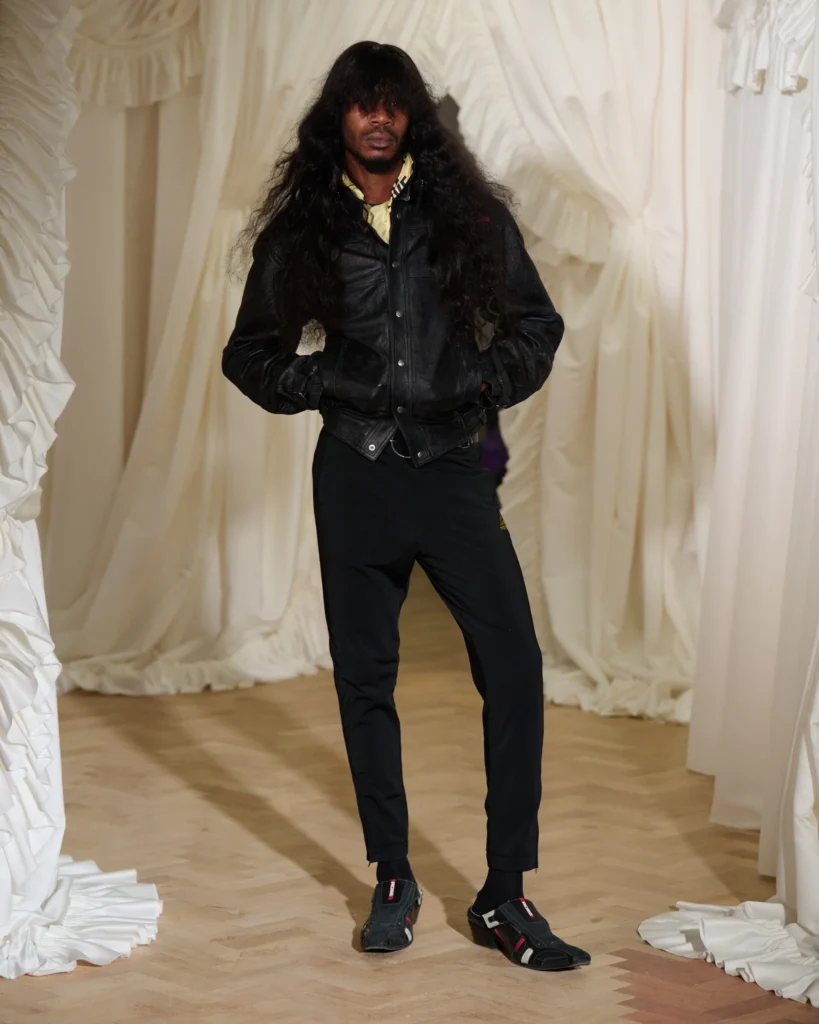
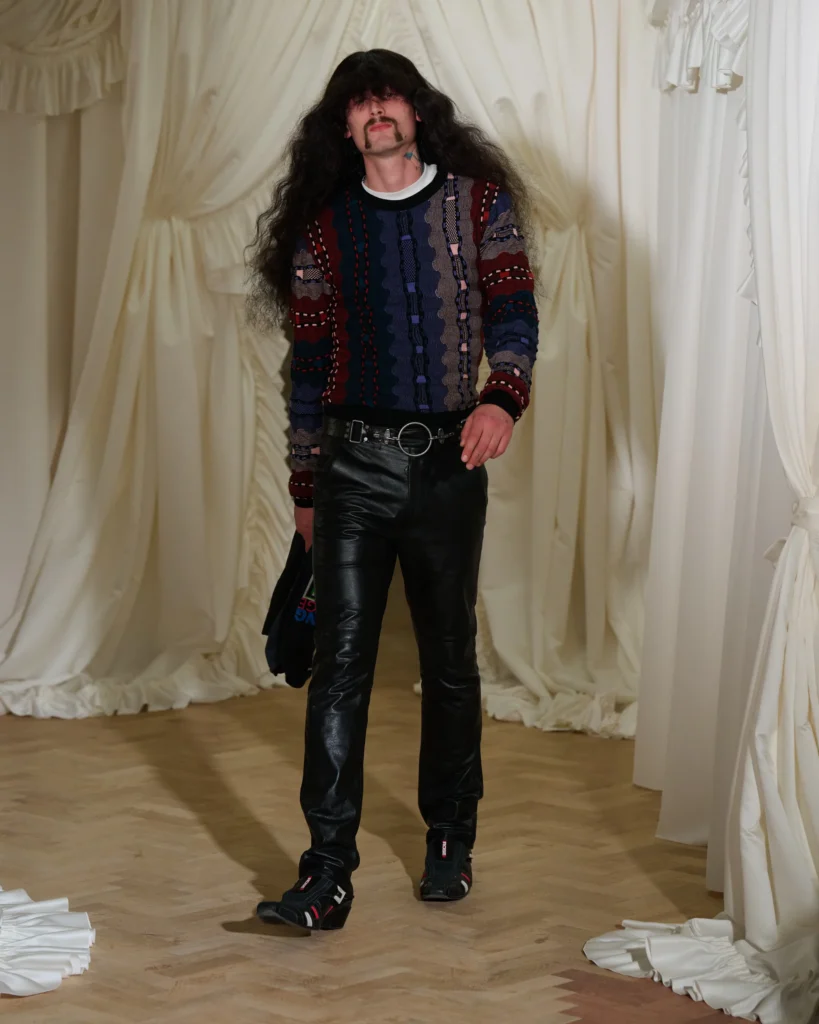
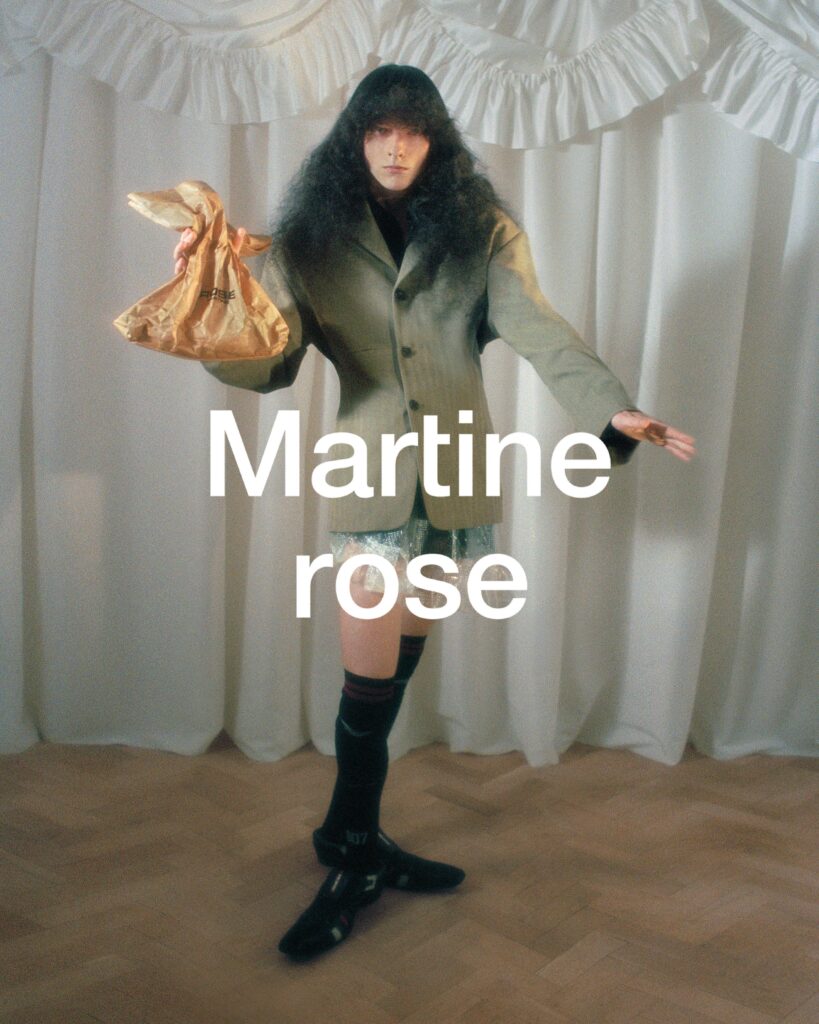
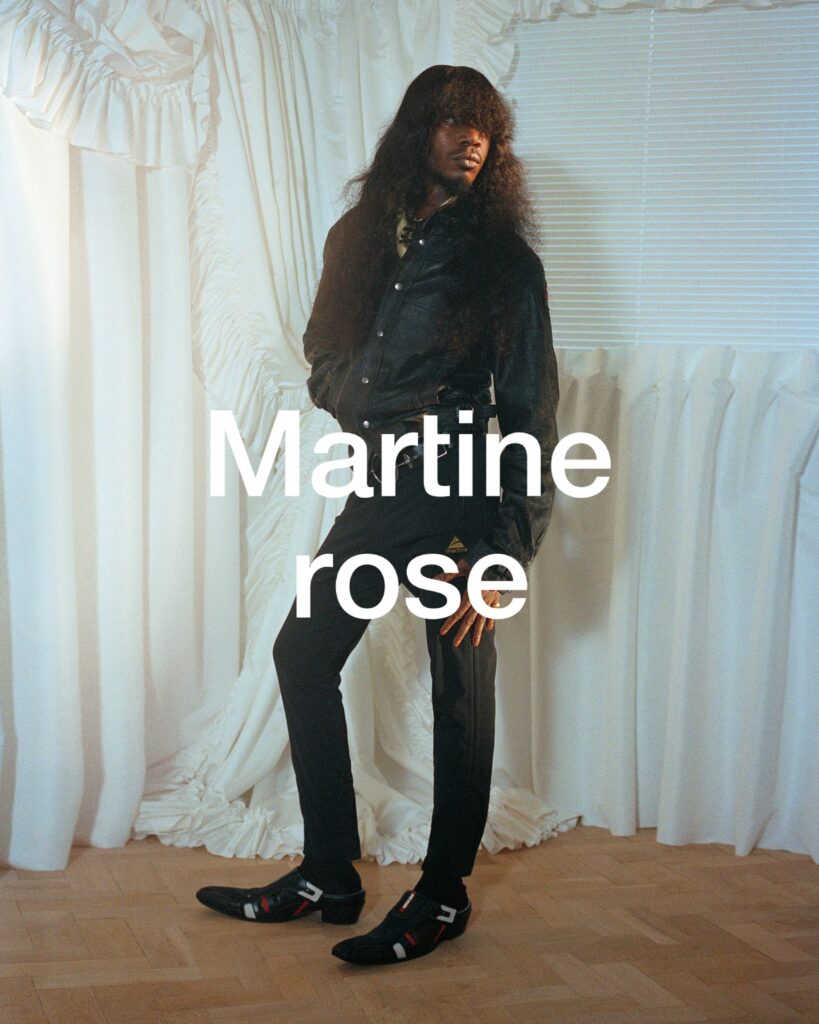
Her approach has repeatedly challenged conventional ideas of menswear. Jackets become oversized, trousers shift proportions, traditional tailoring collides with sportswear, and familiar pieces can appear simultaneously awkward, sexy, humorous and deliberate.
The result has been a design language that feels unmistakably hers.
Building an Independent Fashion Voice
Rose established her namesake label in London in 2007.
What began as a tightly edited collection developed into one of British menswear’s most influential independent brands. Her work earned a dedicated following not by chasing traditional ideas of luxury, but by studying how people actually dress and then distorting those codes.
Football shirts, tracksuits, tailoring, denim, loafers and club clothing all became material for reinterpretation.
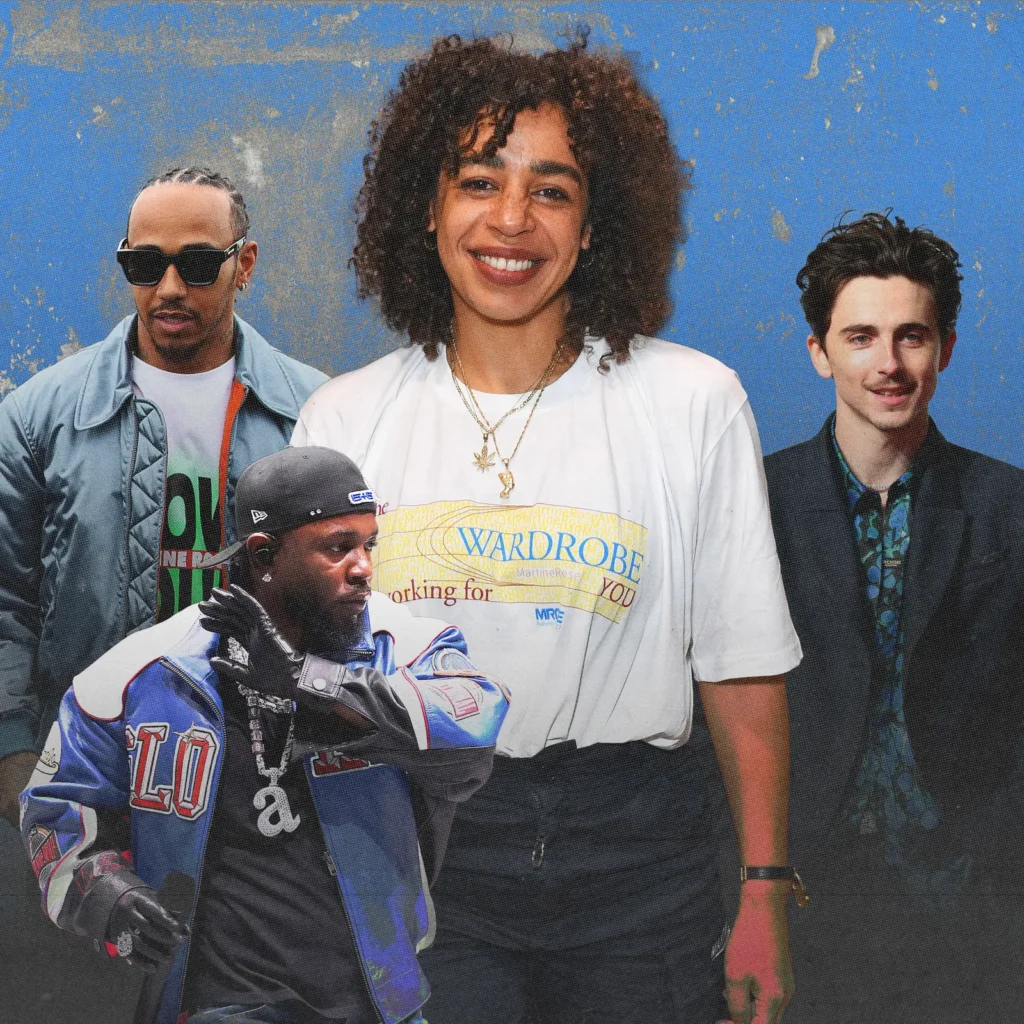
Her influence eventually extended far beyond her own label. Collaborations with Nike, Clarks, Supreme, Stüssy and Tommy Hilfiger introduced Rose’s aesthetic to increasingly global audiences, while artists and cultural figures including Kendrick Lamar, Rihanna, A$AP Rocky and Timothée Chalamet helped bring her designs into popular culture.
But Rose’s relationship with Balenciaga began long before this latest appointment.
She Has Been Here Before
In 2015, Demna brought Rose into Balenciaga as a menswear consultant.
She remained involved through 2018, during the formative years of a Balenciaga menswear identity built around exaggerated proportions, oversized tailoring and the elevation of everyday clothing.
Those ideas would become enormously influential throughout fashion.
Rose continued building her independent label afterward, but her fingerprints on contemporary menswear became increasingly difficult to miss.
Now she returns not as a consultant working behind the scenes, but as the person responsible for the creative direction of the house itself.
That distinction matters.
A Historic Appointment
Rose becomes the first woman to lead Balenciaga in its 109-year history.
The Guardian also places her among an even smaller group, describing Rose as only the second Black woman to lead a major European fashion house, following Grace Wales Bonner’s appointment to lead Hermès menswear.
For Caribbean representation within global fashion, the moment carries another layer of significance.
Rose has never built her career by disguising the communities that formed her. Jamaican family culture, reggae, London neighborhoods, nightlife, sexuality and outsider communities have existed openly within her work.
Those influences are now entering one of fashion’s largest global platforms with her.
The achievement is therefore not simply that a Jamaican-British designer has reached the top of a major European house.
It is that she reached it without abandoning the cultural vocabulary that made her important in the first place.
What Happens Next?
Balenciaga is giving Rose something very different from the independent environment in which her reputation was built: global scale.
She will oversee both men’s and women’s collections while taking responsibility for a house with major businesses in ready-to-wear, accessories and leather goods.
That creates the defining question of her next chapter.
Can the intimacy, unpredictability and subcultural energy of Martine Rose survive inside the machinery of a global luxury house?
It is precisely that tension that makes the appointment so compelling.
Rose has spent her career making the familiar strange, taking established codes and changing their proportions, context and meaning.
Balenciaga has built much of its own history around challenging convention.
Now the two stories meet.
And for a Jamaican-British designer who spent years influencing fashion from outside its most powerful rooms, the next step is no longer about gaining entry.