
Chile’s President José Antonio Kast made the first official state visit by a Chilean leader to Bolivia in 71 years, opening a new conversation around trade, security, energy and one of South America’s most complicated bilateral relationships.
For Chile and Bolivia, a presidential visit carries considerably more weight than ordinary diplomatic ceremony.
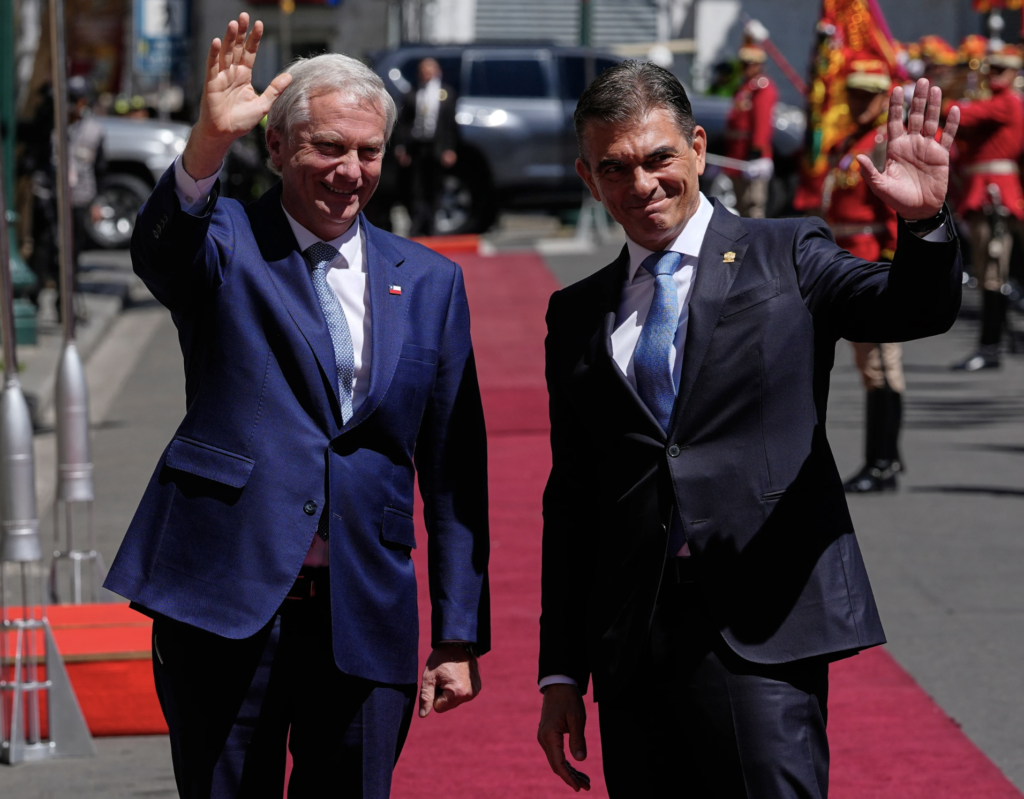
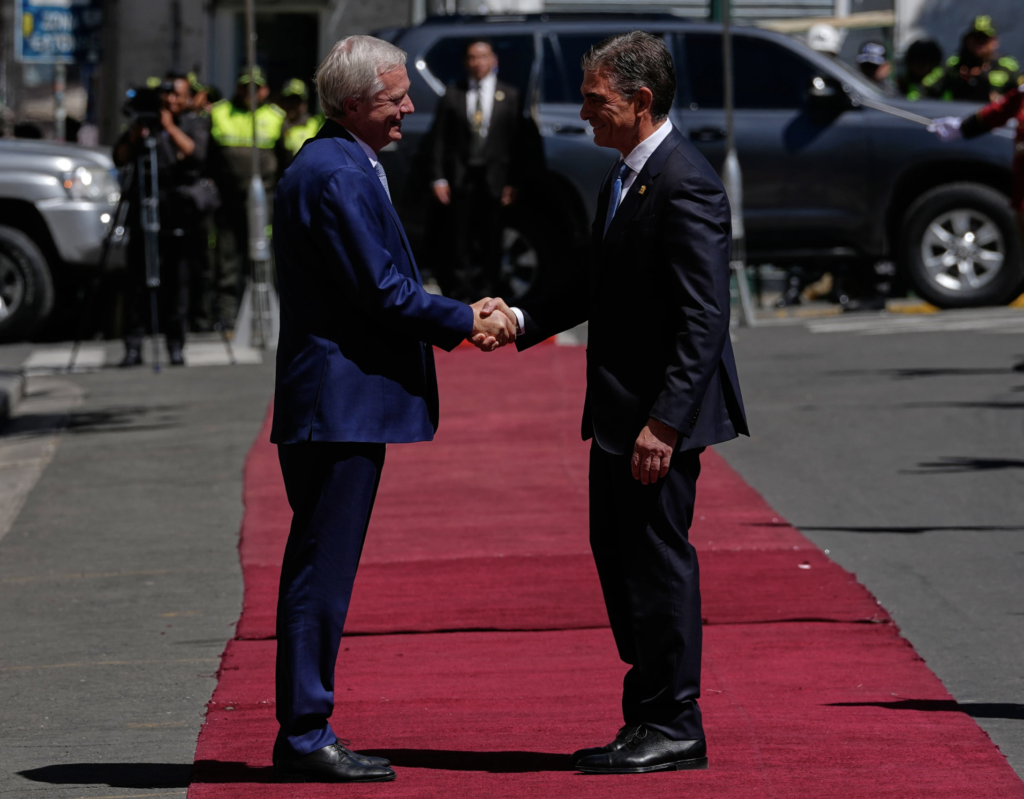
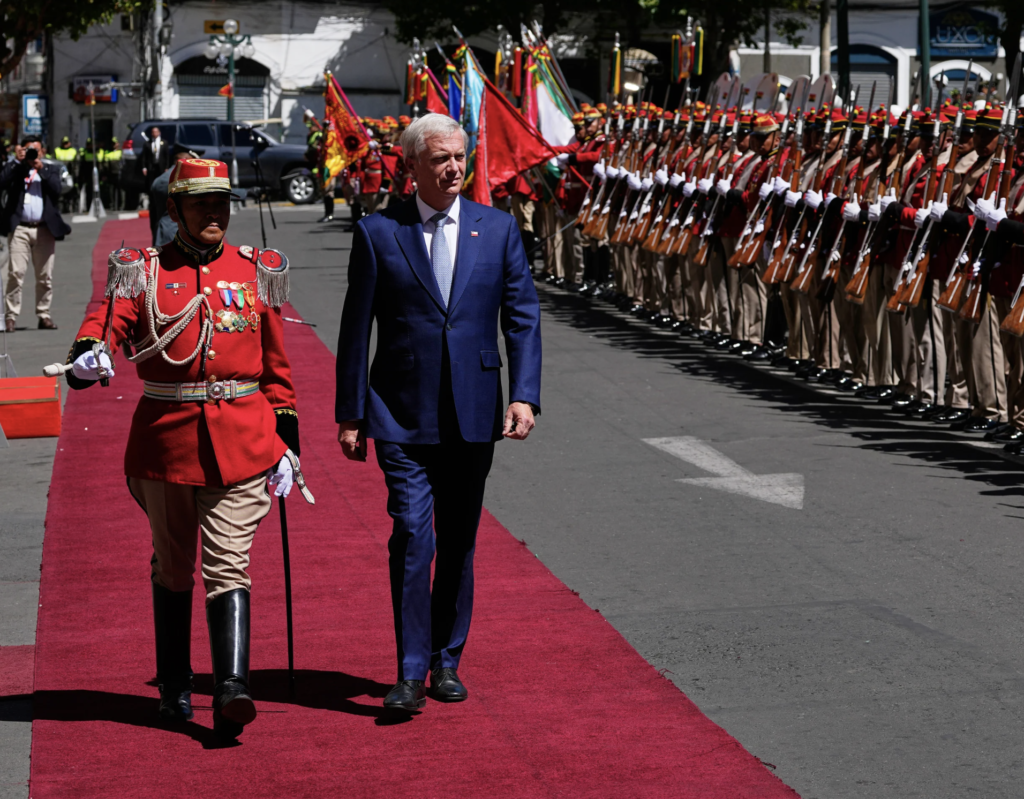
On October 16, Chilean President José Antonio Kast arrived in La Paz for talks with Bolivian President Rodrigo Paz, marking the first official state visit by a Chilean president to Bolivia since Carlos Ibáñez del Campo made the trip in 1955.
The meeting was a significant moment for two neighboring countries whose relationship remains shaped by more than a century of political tension.
Bolivia lost its Pacific coastline to Chile following the War of the Pacific, fought from 1879 to 1884. The consequences of that conflict have remained central to Bolivia’s foreign policy and national identity, while the two countries have not maintained ambassador-level diplomatic relations since 1978.
Yet the Kast-Paz meeting was deliberately focused on what the countries can accomplish together today.
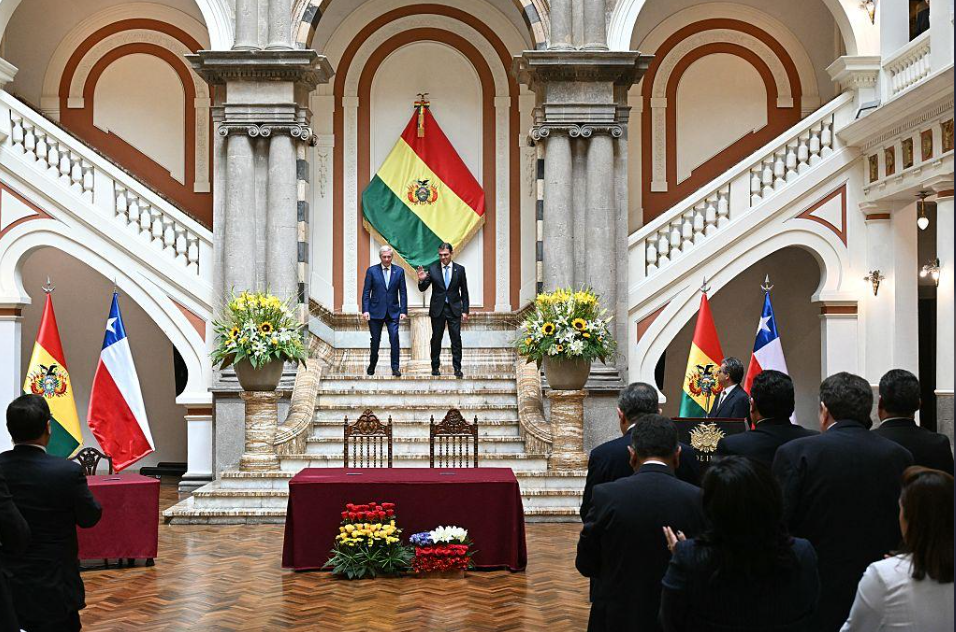
During the visit, the presidents signed a joint declaration and agreed to begin negotiations aimed at updating an existing bilateral trade agreement. Security was another major focus, particularly efforts to combat organized crime across the approximately 535-mile border shared by the two countries.
Mining and energy cooperation were also discussed, reflecting the economic importance of closer coordination between two resource-rich South American nations.
Economic Interests Create Common Ground
Despite their difficult diplomatic history, Chile and Bolivia are already economically intertwined.
Landlocked Bolivia relies heavily on Chilean infrastructure to connect its economy with global markets. Approximately 70 percent of Bolivia’s foreign trade passes through ports in northern Chile.
President Paz has also offered Chile greater access to the Paraguay-Paraná waterway, a major South American trade corridor connecting Bolivia and neighboring countries with Atlantic shipping routes.
Those economic realities create strong incentives for both governments to develop a more functional relationship even without immediately restoring full diplomatic ties.
The meeting also arrives as regional politics and security partnerships across Latin America are changing.
Both Paz and Kast have developed closer relationships with the administration of U.S. President Donald Trump and have participated in the U.S.-backed “Shield of the Americas” security initiative aimed at strengthening regional cooperation against drug trafficking and organized crime.
That alignment gives the two governments additional areas in which cooperation could expand.
The Pacific Question Remains
One subject was notably absent from the formal agenda: Bolivia’s longstanding demand for sovereign access to the Pacific Ocean.
The maritime issue dominated relations between Chile and Bolivia for decades and became a major foreign-policy priority under former Bolivian President Evo Morales.
Bolivia ultimately took Chile before the International Court of Justice, seeking to compel negotiations over sovereign access to the Pacific. The court ruled against Bolivia in 2018.
President Paz’s government has made clear that Bolivia has not formally abandoned its historic position. Instead, officials have indicated that rebuilding trust and creating the conditions for future discussions must come first.
That distinction may define the new relationship.
Rather than attempting to resolve more than a century of disagreements in a single meeting, Santiago and La Paz appear to be pursuing a more incremental approach: expand trade, strengthen border cooperation, work together on energy and mining, and allow diplomatic confidence to develop over time.
For two countries separated by history but connected by geography and commerce, the October meeting may represent less of a reconciliation than the beginning of one.
And after 71 years without a Chilean presidential state visit to Bolivia, simply beginning that process is significant.