With Christian Dior’s Night in Color, the French Maison looks to Hollywood, Marlene Dietrich and its own couture archives for an animated Holiday 2026 campaign led by filmmaker Sylvain Chomet.
There is something unexpectedly refreshing about watching one of the world’s largest luxury houses return to the simplicity of a drawn line.
For Holiday 2026, Dior has unveiled Christian Dior’s Night in Color, an animated short film by acclaimed French filmmaker and animator Sylvain Chomet, whose distinctive work includes The Triplets of Belleville and The Illusionist.
Rather than placing the season’s products at the center of a conventional fashion campaign, Dior builds an entire story around the mythology of the house.
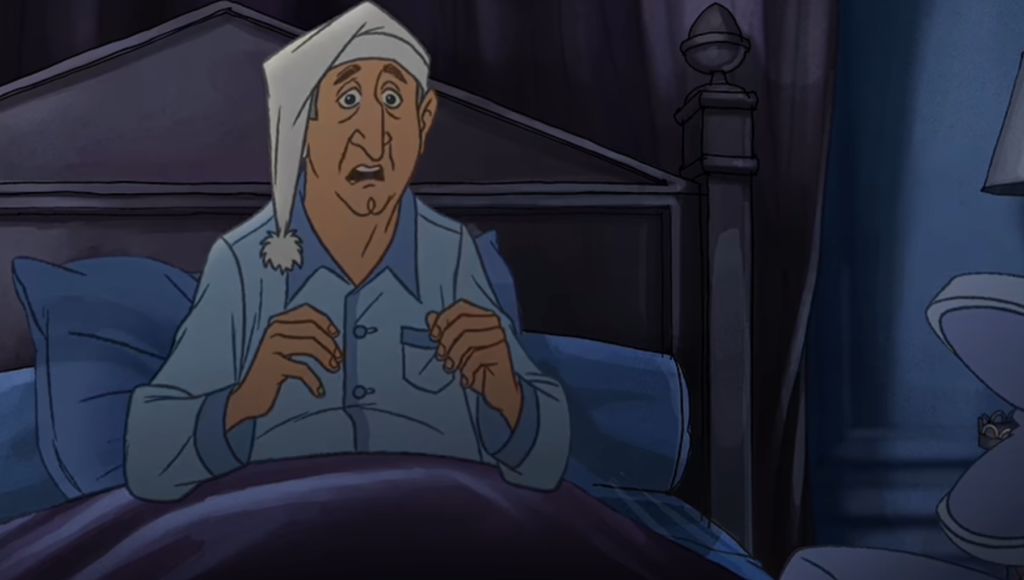
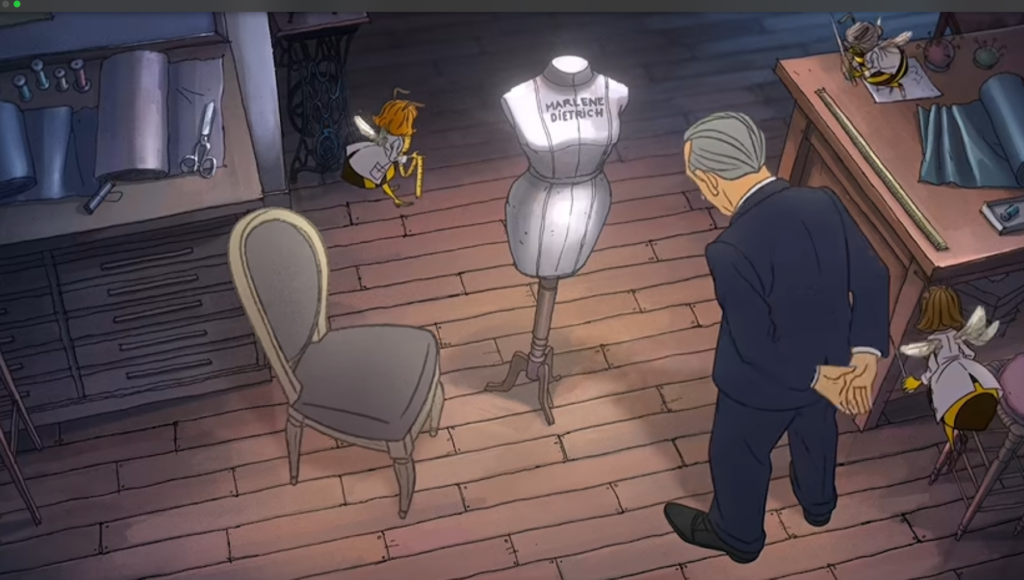
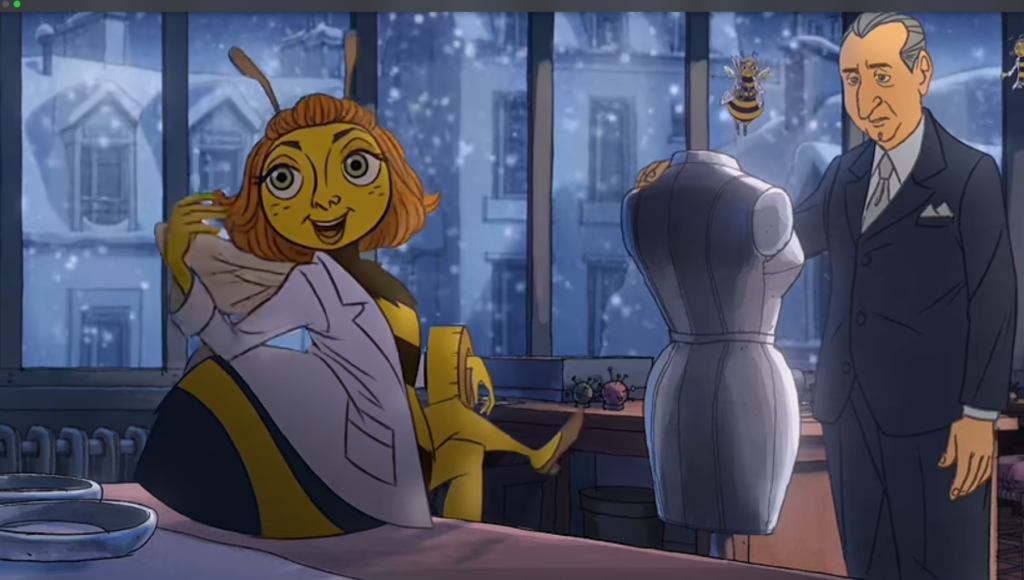
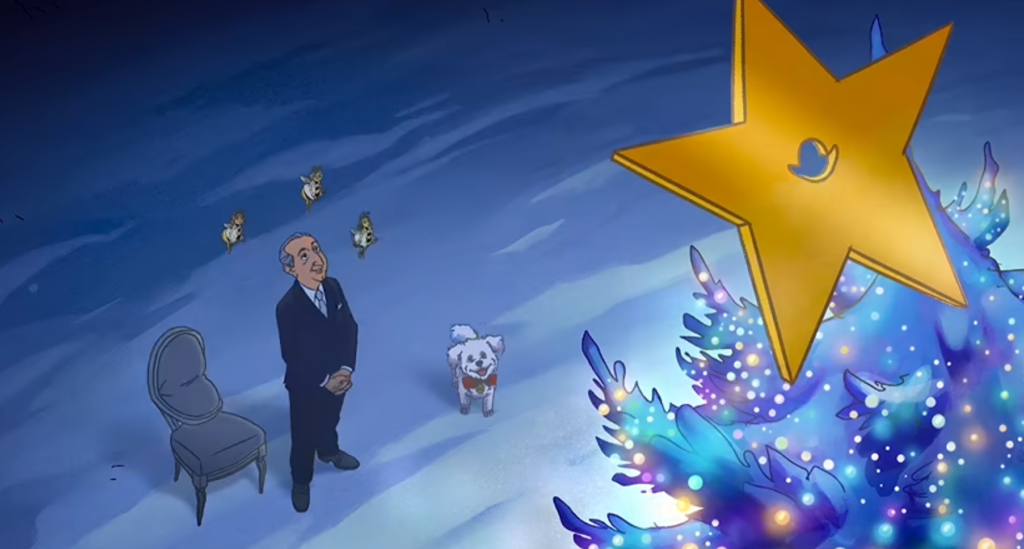
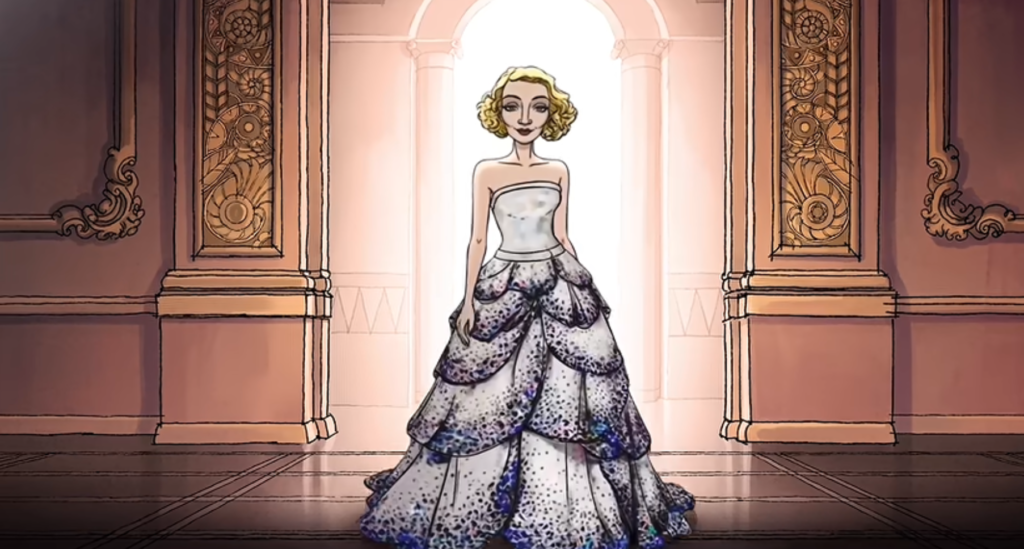
It begins on a snowy winter night in 1949 at 30 Avenue Montaigne, Dior’s historic Paris headquarters. An urgent call arrives from Hollywood: Marlene Dietrich needs a new dress. What follows is a whimsical race through the atelier as Monsieur Dior and his animated companions attempt to create something worthy of the screen.
Dior makes clear that the story itself is imaginary, but its foundations are rooted in genuine chapters of the Maison’s history — including Christian Dior’s friendship with Dietrich, Dior’s relationship with Hollywood and the design of the famed Junon gown from 1949.
A Dior Cast With Hollywood Credentials
The animation may be drawn, but its cast is distinctly A-list.
Robert Pattinson narrates the film, while Louis Garrel voices Christian Dior and Camille Cottin portrays Marlene Dietrich.
They are joined by Josh O’Connor as Dior’s Médaillon Chair, LaKeith Stanfield as the Hollywood director and Rihanna as the Maison’s Lucky Star. Nine d’Urso, Nadia Tereszkiewicz and Greta Lee appear as members of Dior’s industrious group of “bees.”
Those characters are more than playful additions. The bee and star are recurring pieces of Dior’s visual vocabulary, allowing the film to turn the Maison’s historic symbols into personalities inside its fictional universe.
From Black-and-White to Color
At the center of the story is the transition of cinema from black-and-white into color.
When Dietrich suddenly requires a dress capable of making an impact on a color screen, Dior must find inspiration before morning. The resulting creation recalls the spectacular Junon, a 1949 couture gown whose layered, embroidered skirt has become one of the most recognizable pieces in Dior’s archive.
The reference gives the campaign something more substantial than nostalgia. Dior isn’t simply reproducing a famous archival moment; it is taking historical elements and rewriting them as contemporary entertainment.
That distinction matters. The episode depicted in the animation did not literally unfold as presented. Instead, Chomet and Dior combine several pieces of history into a new fantasy about creativity under pressure.



Couture Thinking, Applied to Animation
Perhaps the campaign’s strongest idea is not the celebrity voice cast or even Dior’s archival references.
It is the decision to foreground craft.
Dior says Chomet’s hand-drawn animation process developed over months, with characters created separately before being assembled against their backgrounds — an intentionally laborious method that the Maison compares with the patience required to produce haute couture.
That parallel feels particularly relevant in 2026.
Fashion brands are operating in an environment saturated with rapidly produced digital imagery. Illustration, traditional animation and other visibly labor-intensive creative techniques have consequently become another way for luxury houses to communicate rarity and human authorship. Vogue has similarly documented fashion’s growing embrace of slow, highly skilled creative work as brands seek a stronger sense of human touch.
For Dior, the connection is natural. Couture has always sold more than a finished object; it sells the hours, specialization and imagination behind it.
Night in Color applies that philosophy to marketing itself.
Jonathan Anderson Builds a Dior Universe
The project also fits within Jonathan Anderson’s evolving vision for Dior.
Rather than treating the Maison’s enormous archive as something untouchable, Anderson continues to find ways to translate historic Dior codes into contemporary culture. Here, animation becomes the bridge between the founder’s world and a generation accustomed to experiencing fashion through screens, film and social media.
The campaign doesn’t stop when the credits roll.
Characters and imagery from Christian Dior’s Night in Color are being extended into Dior’s holiday store windows, while the broader seasonal campaign connects with a gifting collection spanning fashion, accessories and homeware.
It turns a piece of branded content into something closer to a miniature franchise — one visual world capable of living across film, retail, products and social media.
Luxury’s Most Valuable Asset May Still Be Time
There is an interesting contradiction at the center of Christian Dior’s Night in Color.
Dior is using one of the most modern global marketing machines in fashion to celebrate a process deliberately associated with another era.
And that may be precisely why it works.
Luxury has always depended on the idea that certain things should take longer. A couture gown isn’t valuable because it is the fastest way to make a dress. Hand-drawn animation isn’t the fastest way to produce moving imagery either.
The labor is part of the meaning.
By pairing Chomet’s illustrated world with Dior’s own archive, the Maison has created a holiday campaign that does more than sell the season. It reminds audiences that in an age obsessed with speed, time, imagination and craftsmanship can still be luxuries of their own.