
Few accessories have achieved the cultural significance of the Hermès Birkin bag. Recognized around the world as a symbol of craftsmanship, exclusivity, and wealth, the handbag has become an object of extraordinary desire. Yet its origins are surprisingly ordinary, beginning with a chance encounter aboard an airplane and a woman who simply wanted something practical enough to carry her belongings.
In 1983, British-born actress and singer Jane Birkin boarded a flight from Paris to London, carrying her signature basket bag. When its contents spilled, the passenger seated beside her suggested that she needed a handbag with pockets. That passenger happened to be Jean-Louis Dumas, then chief executive of Hermès. Their conversation developed into an impromptu design session, with Birkin sketching her ideal handbag on an airplane sickness bag.
Birkin envisioned something spacious, elegant, and functional, combining the sophistication of Hermès leather craftsmanship with the practicality of an everyday tote. Dumas recognized the opportunity, and the French luxury house began developing the design. By 1984, the first Birkin bag had been completed, featuring black leather, gold-toned hardware, and the initials JB. What began as a personal solution would eventually become one of the most recognizable creations in luxury fashion.
The handbag’s rise was not immediate. Unlike many contemporary luxury launches, the Birkin entered the market without an extravagant celebrity campaign. Its understated appearance, exceptional craftsmanship, and limited accessibility gradually established its reputation among affluent collectors and fashion enthusiasts. Over time, the bag became synonymous with exclusivity, appearing on the arms of celebrities and influential figures around the world.
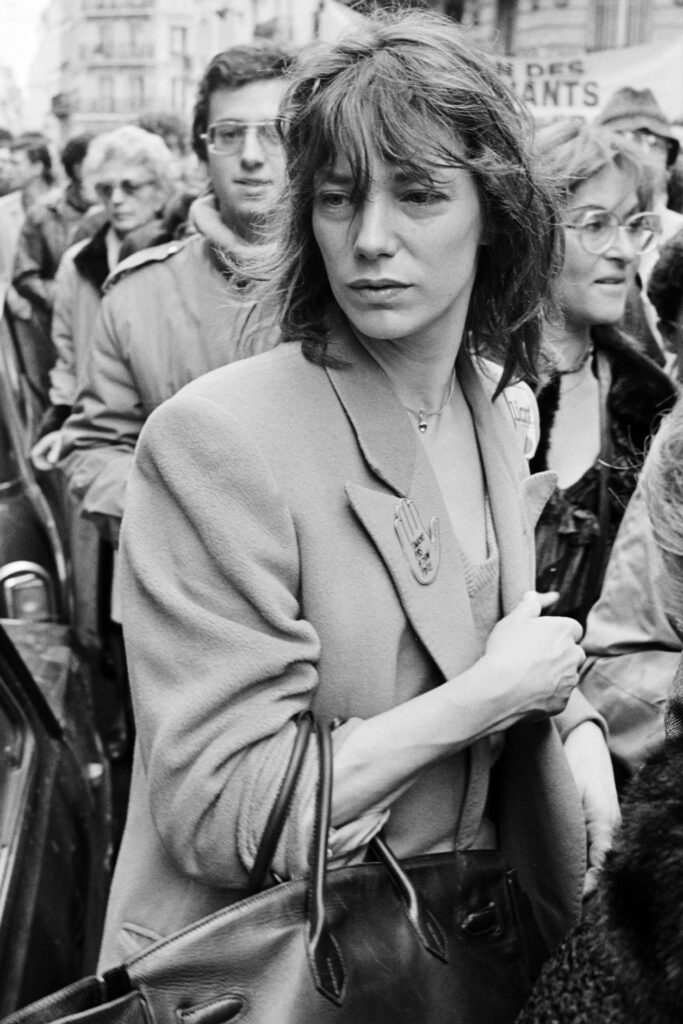
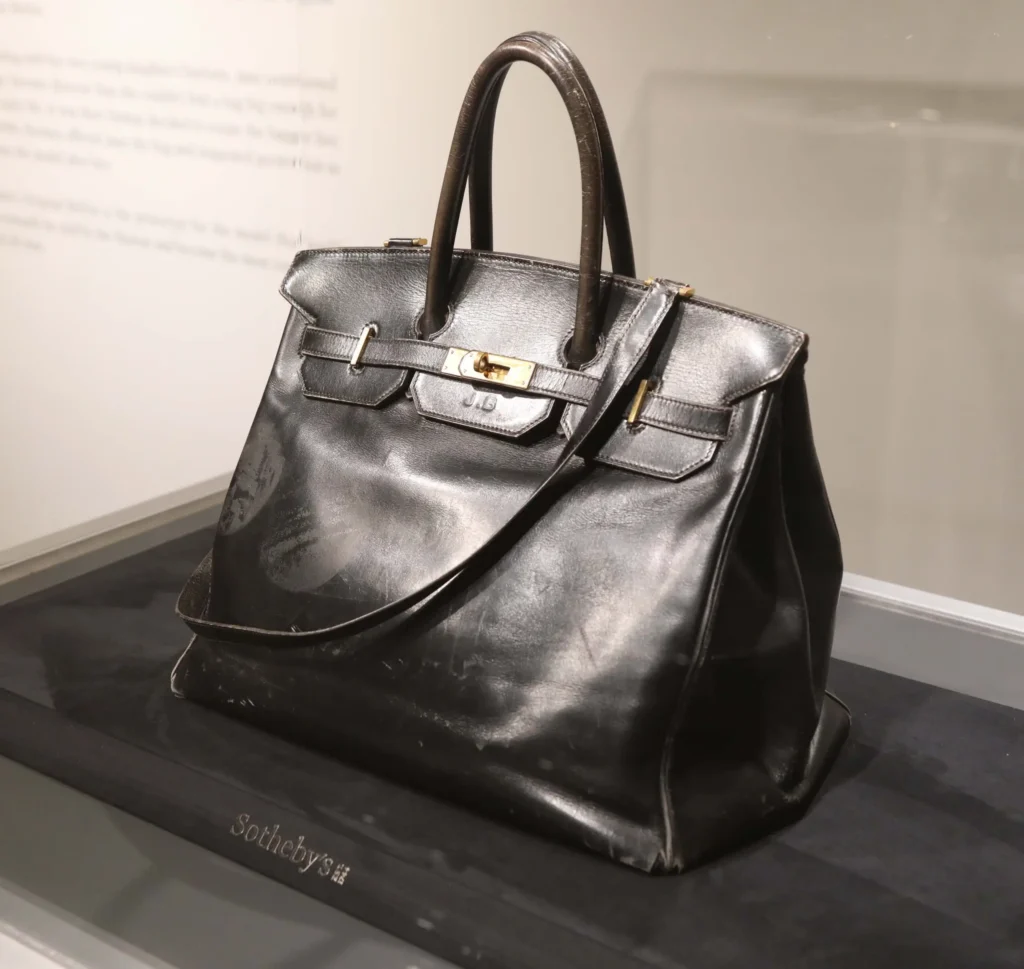
The irony of its success was that Jane Birkin never approached the handbag as a conventional luxury status symbol. Known for her relaxed, individualistic style, she continued carrying her bags with an effortless disregard for the rules of luxury presentation. While the fashion industry transformed her namesake into an international obsession, Birkin remained an artist whose influence extended far beyond accessories.
In an October 19, 2026, Vanity Fair excerpt from Marisa Meltzer’s biography It Girl: The Life and Legacy of Jane Birkin, the story reveals how an everyday encounter became a defining moment in fashion history. It also raises a fascinating question about the relationship between a cultural icon and the luxury object that ultimately became more famous than its inspiration.
Today, the Birkin represents more than a handbag. It demonstrates how authenticity, thoughtful design, and an extraordinary personal story can create a legacy that transcends generations. For Jane Birkin, it was simply a bag designed to make life easier. For the rest of the world, it became an enduring symbol of luxury.