
Lenny Kravitz turned a grand Parisian mansion into something far more interesting than another celebrity home. Hôtel de Roxie is part residence, part gallery, part recording retreat and part family archive—a space where French grandeur meets the musician’s unmistakable sense of soul.
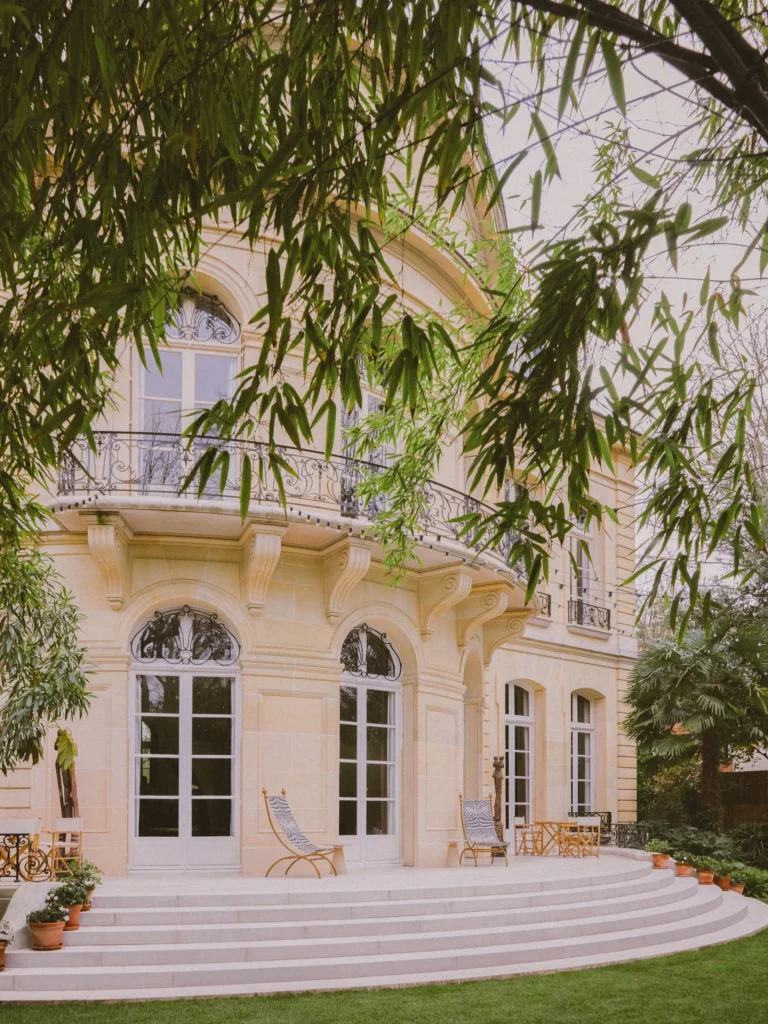
Lenny Kravitz went to Paris looking for a relatively simple apartment. What he found instead was an entire mansion. In the early 2000s, while searching for a pied-à-terre where he could write and spend time between tours, an estate agent convinced him to visit a property that was nowhere near his original brief. The residence was a grand 1920s hôtel particulier tucked into a leafy cul-de-sac in Paris’s prestigious 16th arrondissement and formerly owned by Countess Anne d’Ornano. Kravitz has said that once he stepped inside, the connection was immediate.
Today, he calls the property Hôtel de Roxie, a tribute to his late mother, actress Roxie Roker. That name hints at what makes the residence particularly compelling: despite its scale, pedigree and extraordinary collection of design, this is ultimately a deeply personal home. Kravitz did not simply fill a Parisian mansion with expensive objects. He created an environment rooted in memory, ancestry, music and the people who shaped his life. Family photographs, treasured objects and pieces connected to cultural figures sit alongside serious collectible design.
The interiors were shaped by Kravitz Design, the multidisciplinary studio he founded in 2003. Kravitz describes his aesthetic as “soulful elegance,” and the Paris house may be its clearest expression. French architectural formality is juxtaposed with African sculpture, Afrofuturist references, brutalist furniture, glamorous lighting and major examples of 20th-century design. The result deliberately avoids both strict minimalism and maximalism. Instead, the rooms feel collected over time—polished without becoming sterile, dramatic without sacrificing comfort.
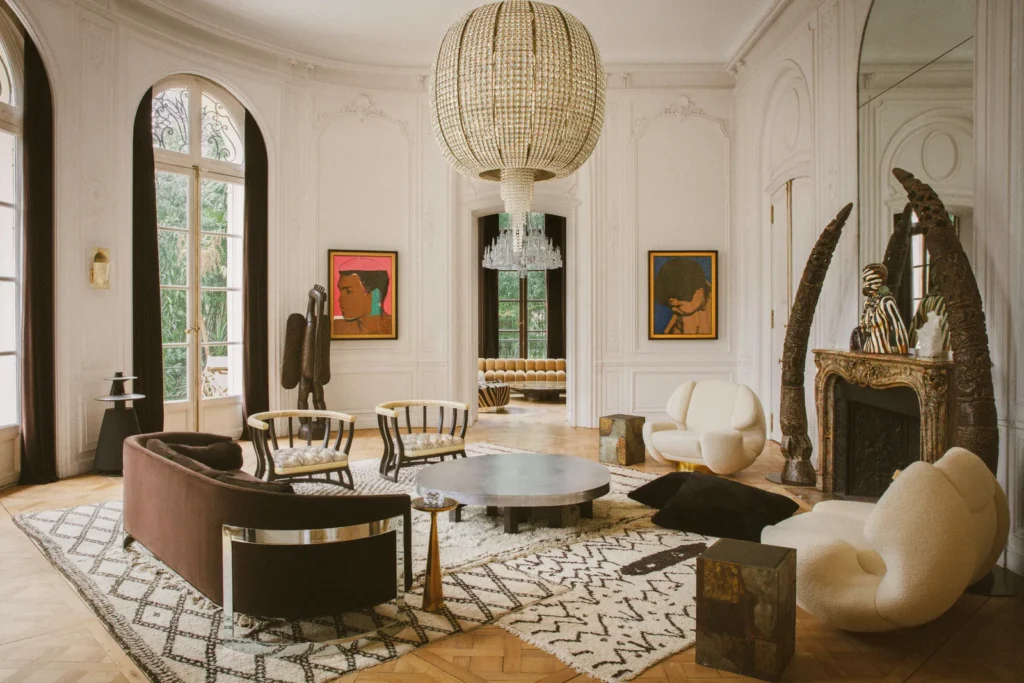
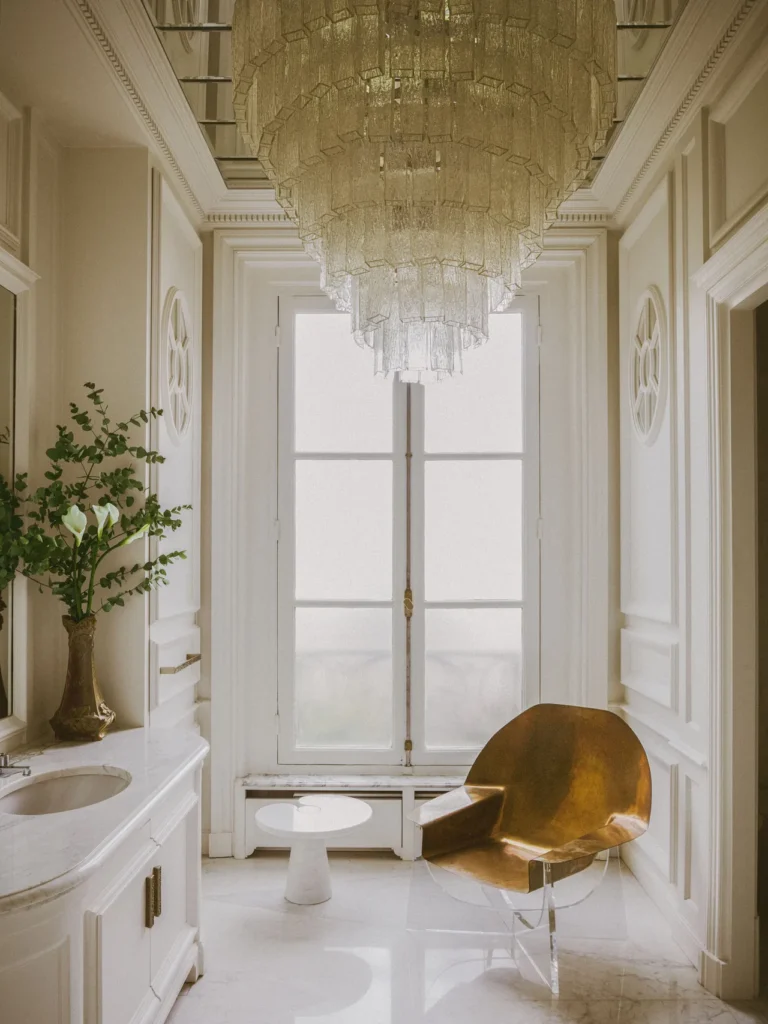
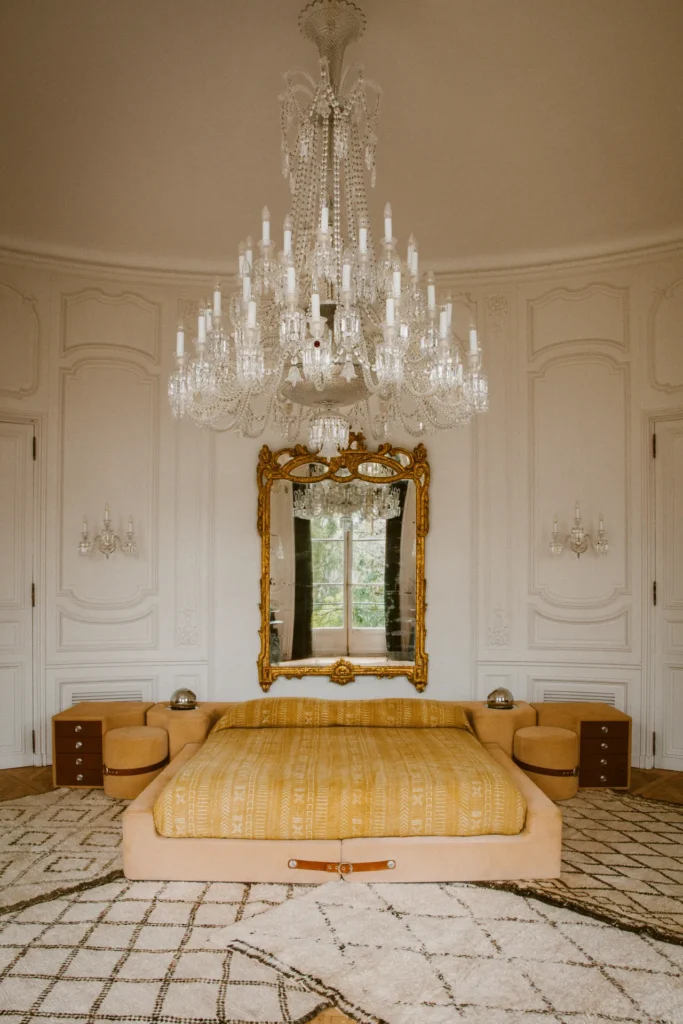
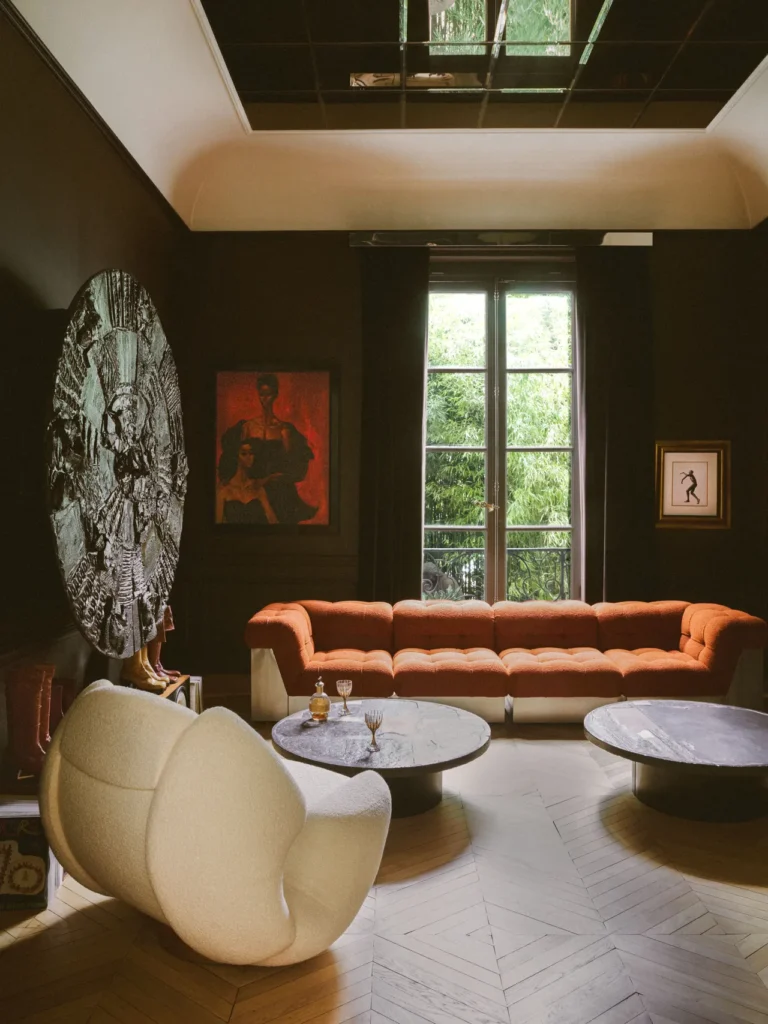
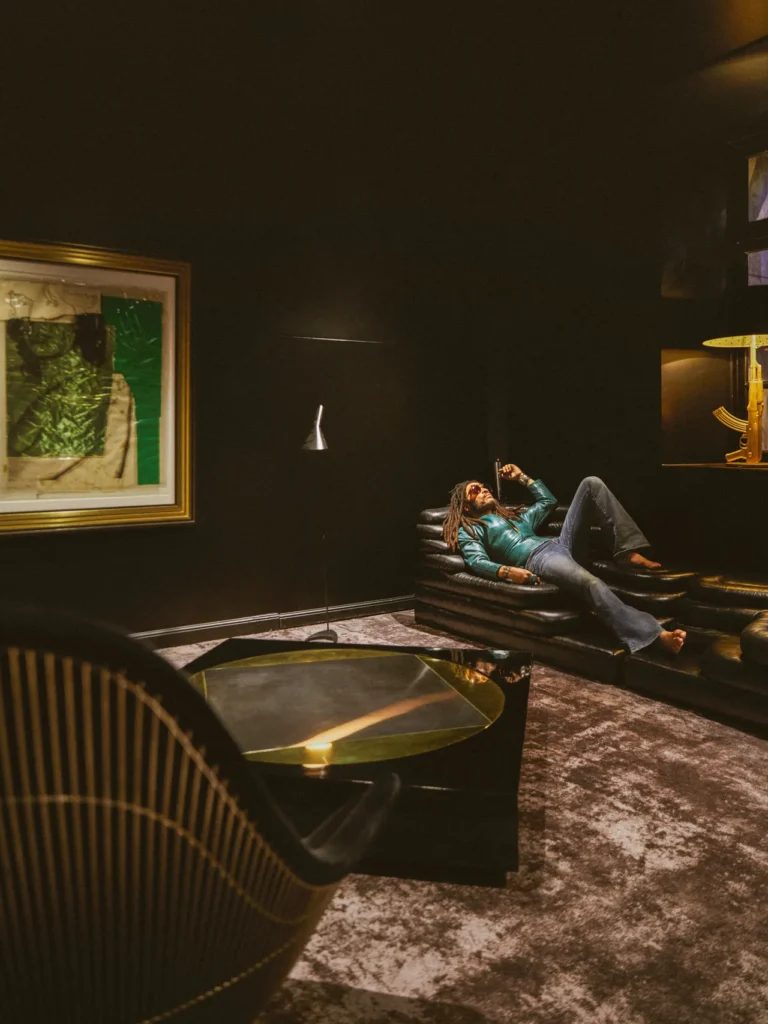
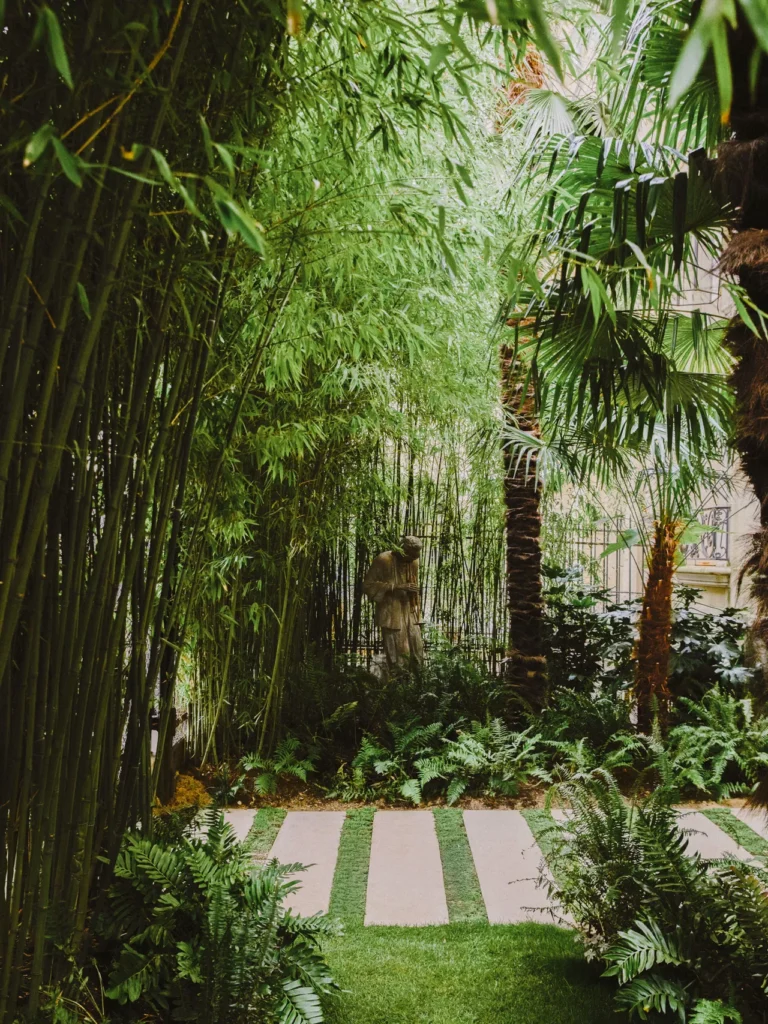
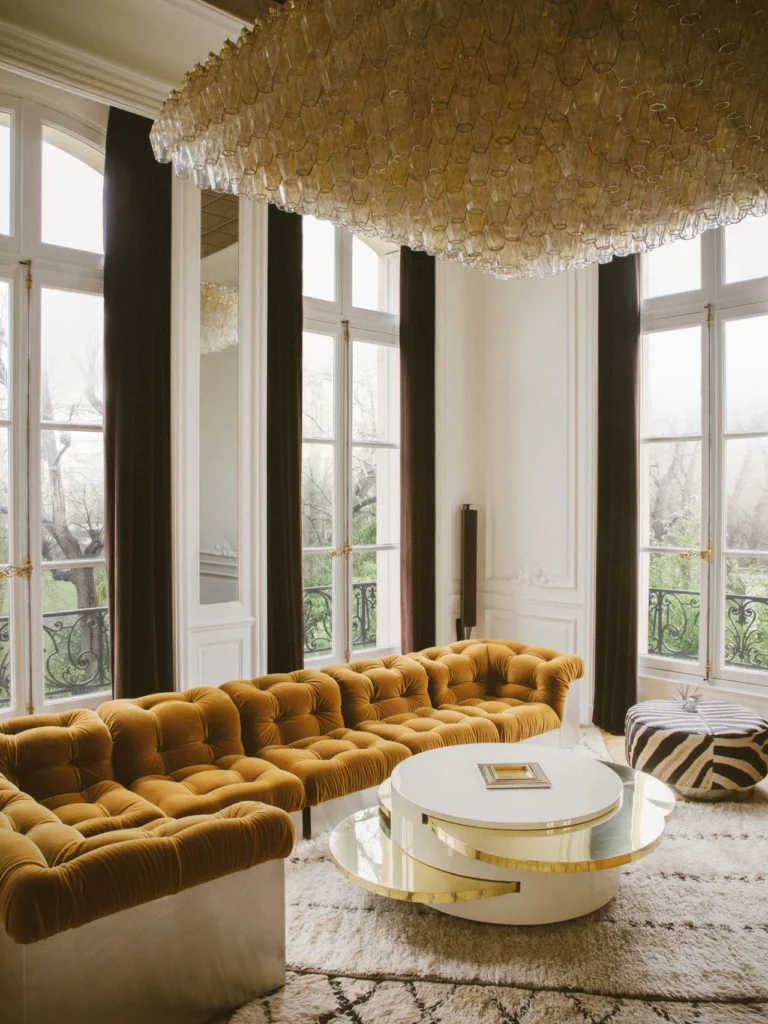
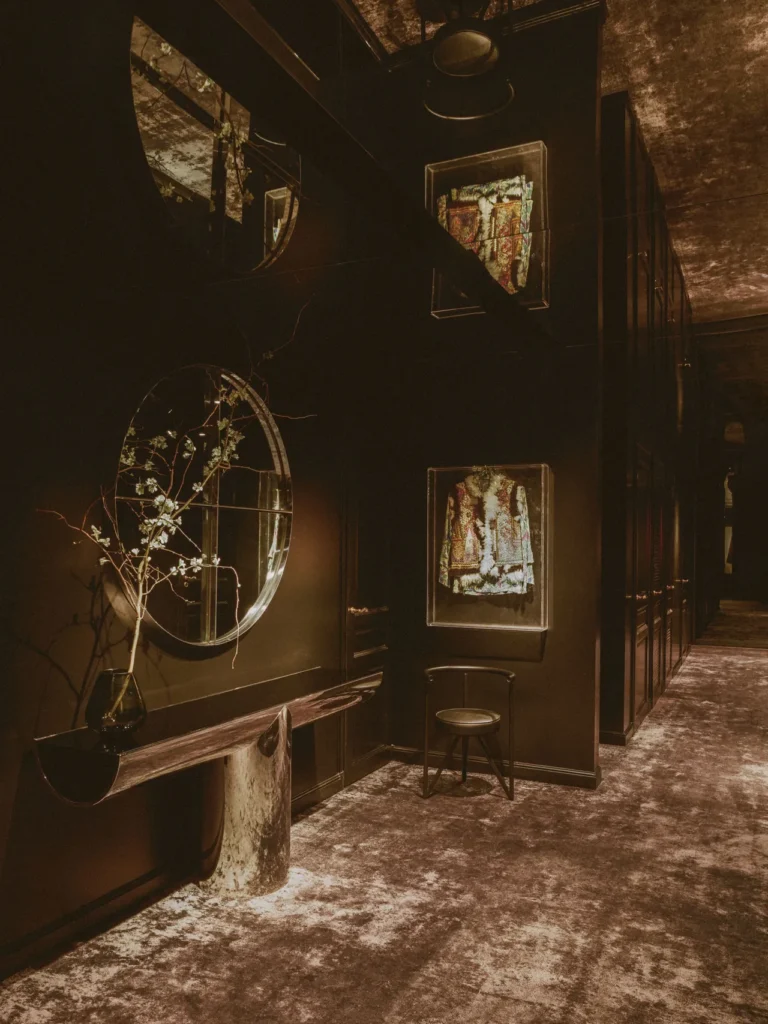
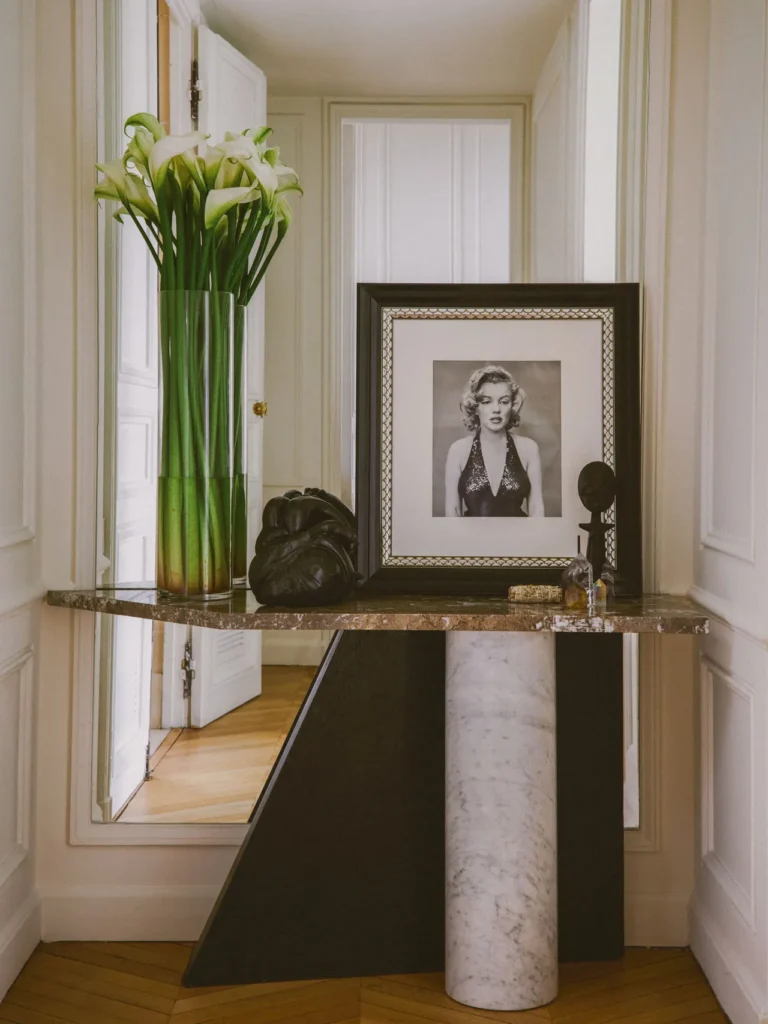
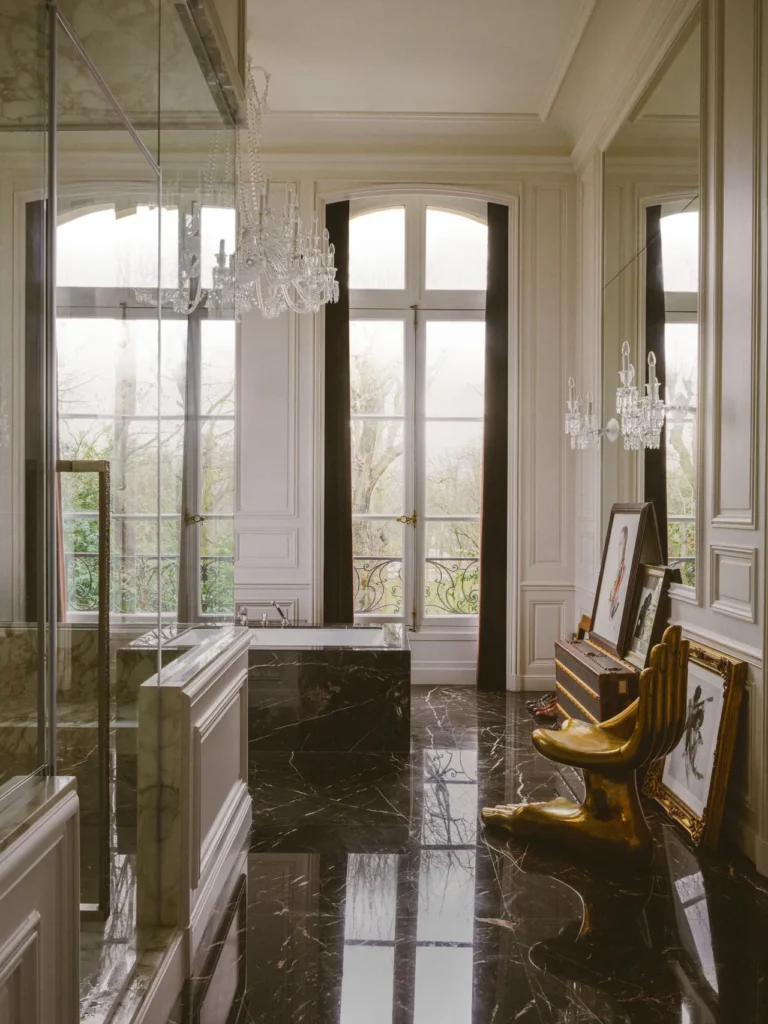
The collection reads like a conversation across art, fashion, music and design history. A limited-edition Steinway & Sons Kravitz Grand, designed with Kravitz and constructed using materials including Madagascar ebony and bronze, stands near the home’s sweeping staircase. Nearby is Jean-Michel Basquiat’s Untitled (Black Figure) from 1984. Elsewhere are works connected to Andy Warhol, Richard Avedon and Geoffrey Holder, alongside furniture by Paul Evans, Afra and Tobia Scarpa, Ubald Klug, Karl Springer, Carlo Scarpa and other design heavyweights. Baccarat chandeliers, vintage Beni Ourain rugs and African artifacts add further layers.
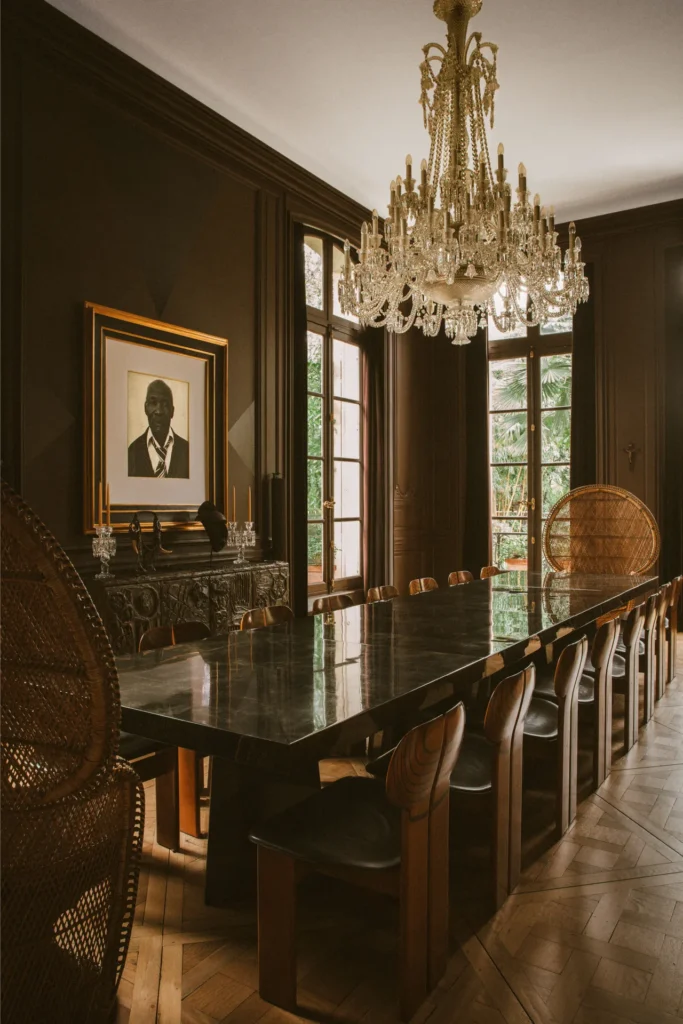
Yet some of the house’s most important objects have little to do with market value. Kravitz surrounds himself with reminders of family, friends and musical heroes. A portrait of his grandfather Albert Roker presides over the dining room, while photographs of his mother occupy a room created in her honor. His collection also includes personal memorabilia connected to figures including Muhammad Ali, James Brown, Miles Davis and Jimi Hendrix. The objects turn what could have been a showpiece mansion into something closer to an autobiography told through rooms.
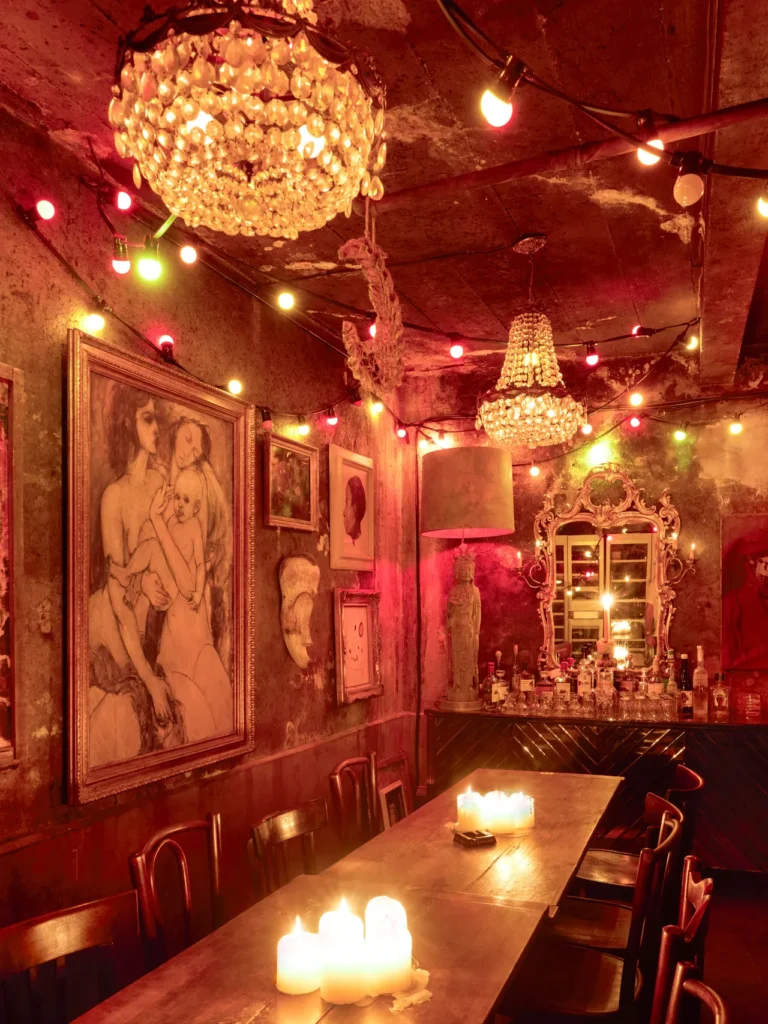
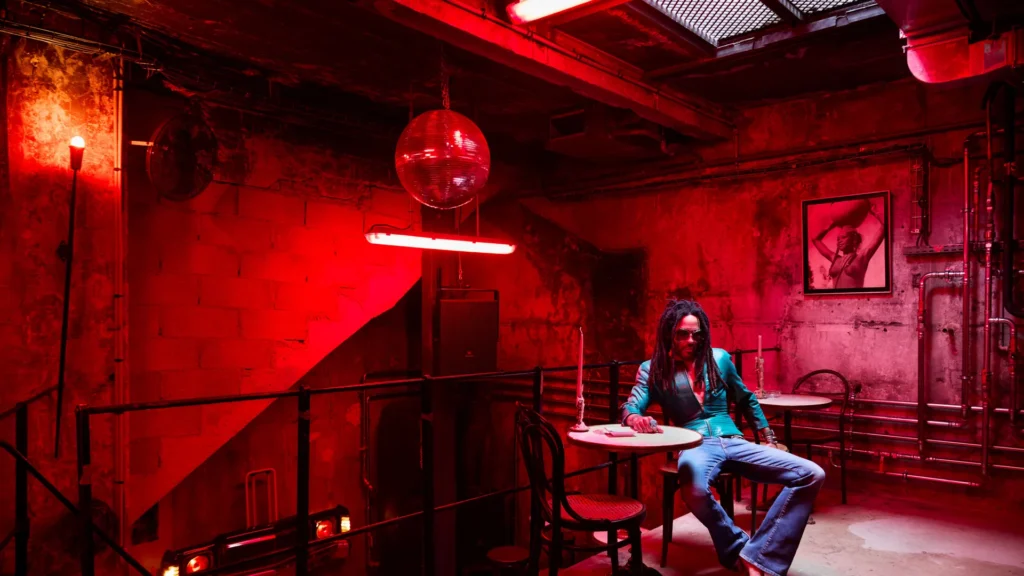
Then there is The Chaufferie. Deep within the house, Kravitz transformed a two-story former boiler room into a private, speakeasy-like party space. Vintage French bistro tables sourced from the Saint-Ouen flea market sit beneath a 1940s German disco ball, while brick walls, music and collected objects create an atmosphere far removed from the formality upstairs. It is perhaps the clearest example of Kravitz’s ability to mix worlds: aristocratic Paris above, underground rock-and-roll energy below.
Hôtel de Roxie works because it never feels like an exercise in decorating for status. The extraordinary furniture and artwork matter, but the story behind them matters more. Kravitz has created a Paris home where Black cultural history, European craftsmanship, family memory, music and collectible design occupy the same space naturally. It is luxurious, certainly, but its strongest quality is identity.
For someone whose career has always resisted easy categorization, perhaps that is exactly the point. Lenny Kravitz did not simply move into a Paris mansion. He turned it into his world.