
Before BYD became one of the biggest names in electric vehicles, it was a battery company.
That distinction is important.
The Shenzhen-based business built its foundation around rechargeable battery technology before entering the automobile industry, giving it an unusually deep understanding of one of the most important — and expensive — components inside an electric vehicle.
Today, BYD has transformed that expertise into a global automotive operation spanning electric vehicles, plug-in hybrids, batteries, energy storage and advanced transportation technology.
And its rise has become one of the defining stories of the modern automobile industry.
FROM BATTERIES TO CARS
BYD was founded in Shenzhen by engineer Wang Chuanfu, who remains chairman and president of the company. The business initially focused on rechargeable batteries before expanding into electronics and other technologies.
BYD Auto was established in 2003, when the company moved into automobile manufacturing and began combining its battery expertise with vehicle engineering.
That history separates BYD from many traditional automakers.
Instead of beginning with combustion engines and later adapting to electrification, BYD approached the automobile from the opposite direction: batteries and electrical technology came first.
THE TECHNOLOGY ADVANTAGE
One of BYD’s biggest strengths is vertical integration. The company develops major components across the new-energy vehicle chain, including batteries, electric motors, electronic controllers and other vehicle technologies. That gives BYD greater control over engineering, manufacturing and costs than companies dependent on a large network of outside suppliers.
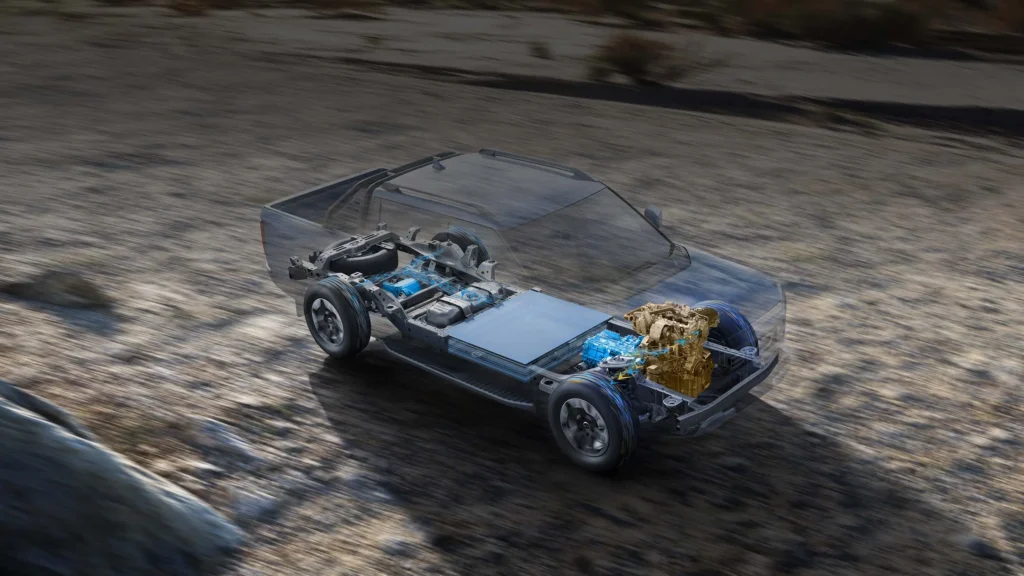
Its best-known innovation is the Blade Battery, introduced in 2020. The lithium iron phosphate battery was designed with an emphasis on safety, durability and packaging efficiency and has become a central part of BYD’s vehicle strategy.
The company’s technological portfolio has since expanded to include its DM-i plug-in hybrid systems, e-Platform architecture, Cell-to-Body battery integration and increasingly sophisticated vehicle-control and charging technologies.
BYD is therefore better understood as a technology and energy company that also happens to manufacture cars.
LEAVING GAS-ONLY CARS BEHIND
In March 2022, BYD stopped producing vehicles powered solely by internal-combustion engines. Instead, the automaker shifted its passenger-vehicle strategy toward battery-electric vehicles and plug-in hybrids. BYD described itself at the time as the first major automaker to make that transition.
The decision was a major bet on electrification.
It also arrived just as global demand for EVs and plug-in hybrids was beginning to reshape the competitive structure of the automobile industry.
FROM CHINA TO THE WORLD
The scale of BYD’s growth is increasingly difficult to ignore. The company sold approximately 4.6 million new-energy vehicles in 2025, including more than one million vehicles outside China. International expansion continued during 2026. BYD reported more than 780,000 international vehicle sales during the first half of 2026, while its automotive footprint had expanded to 121 countries and regions.
BYD’s rise has also pushed it rapidly up the global corporate rankings. The company reached No. 91 on the 2026 Fortune Global 500, a remarkable progression for a business that entered automobile manufacturing only in 2003.
Its international ambitions now extend well beyond exporting cars from China. BYD has been investing in localized manufacturing, distribution and infrastructure across markets including Latin America, Europe and Asia.
WHAT DOES BYD ACTUALLY SELL?
The BYD name now covers an increasingly broad family of vehicles.
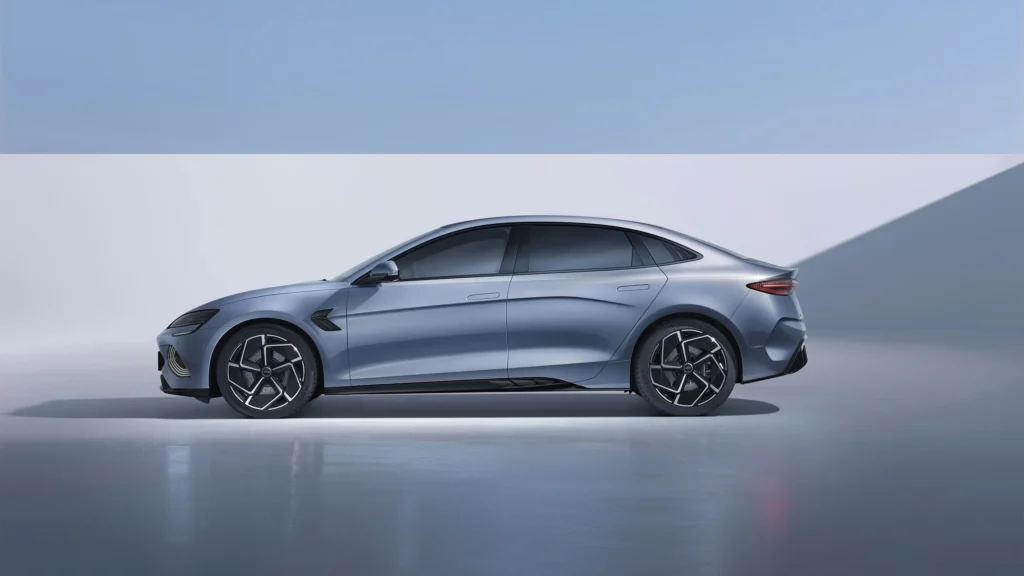
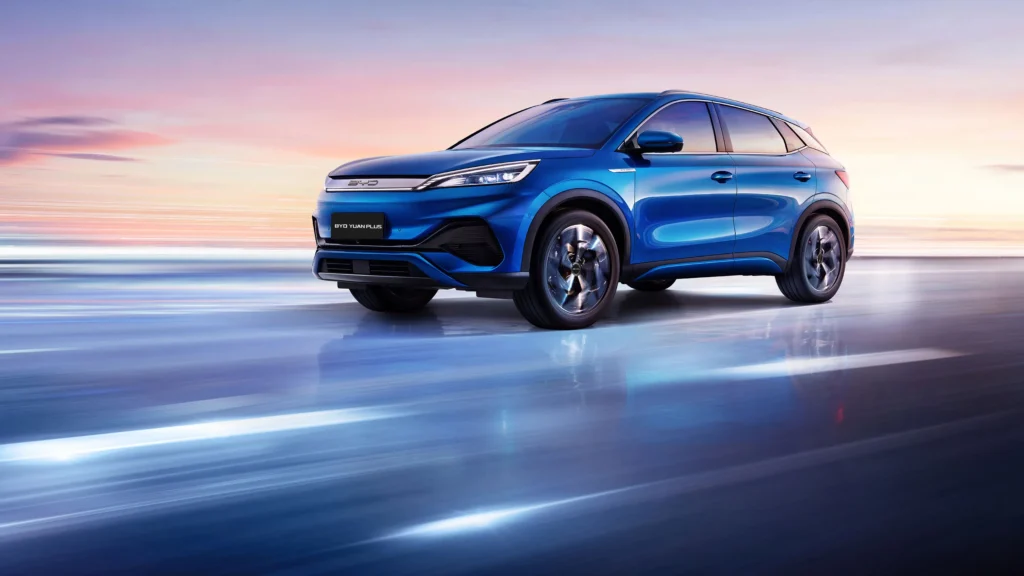
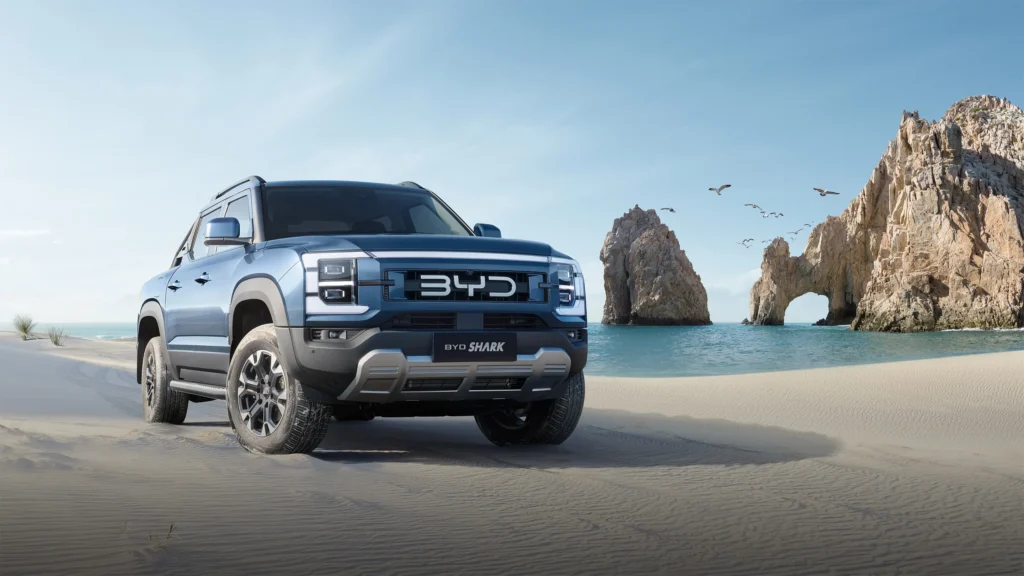
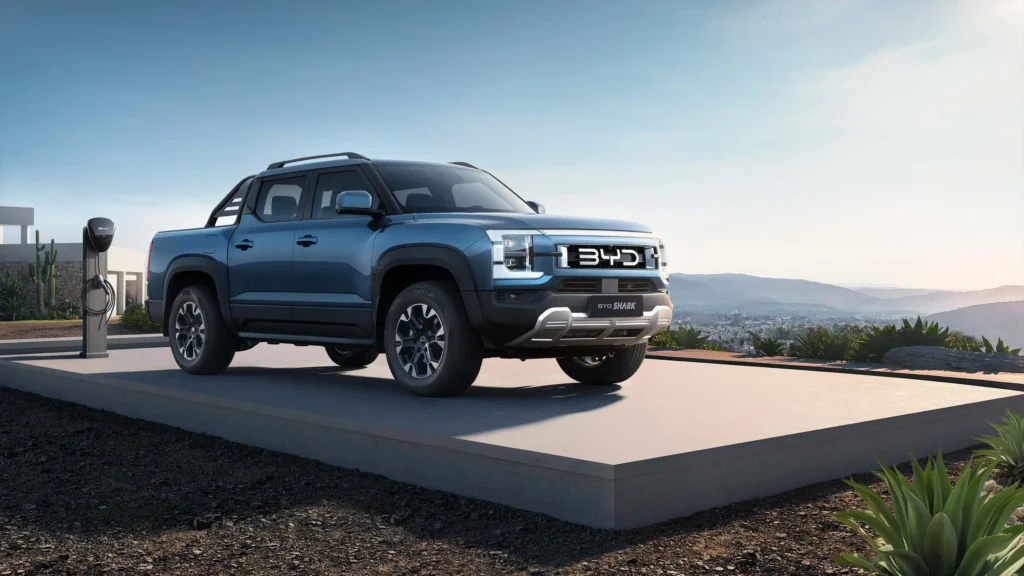
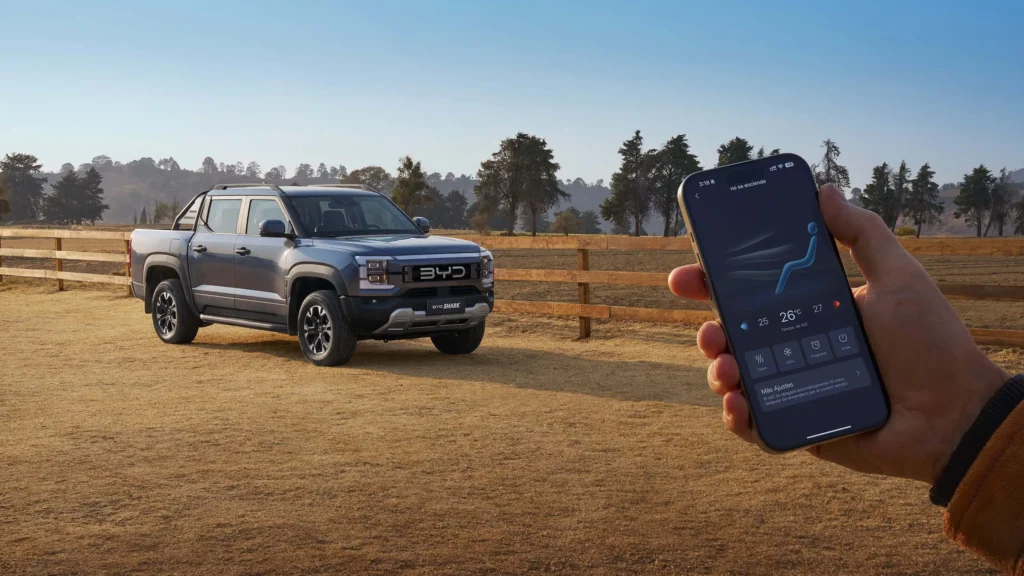
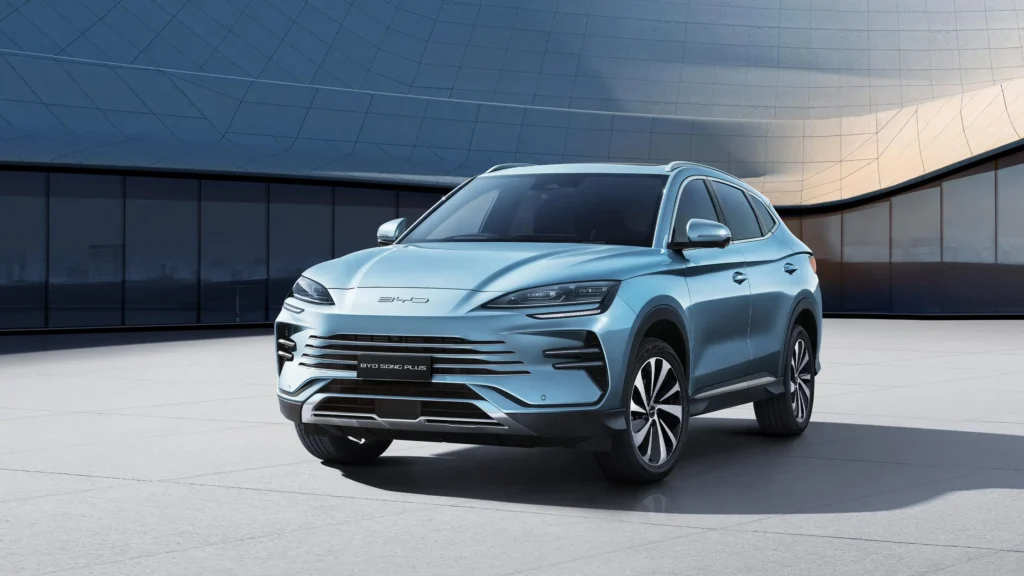
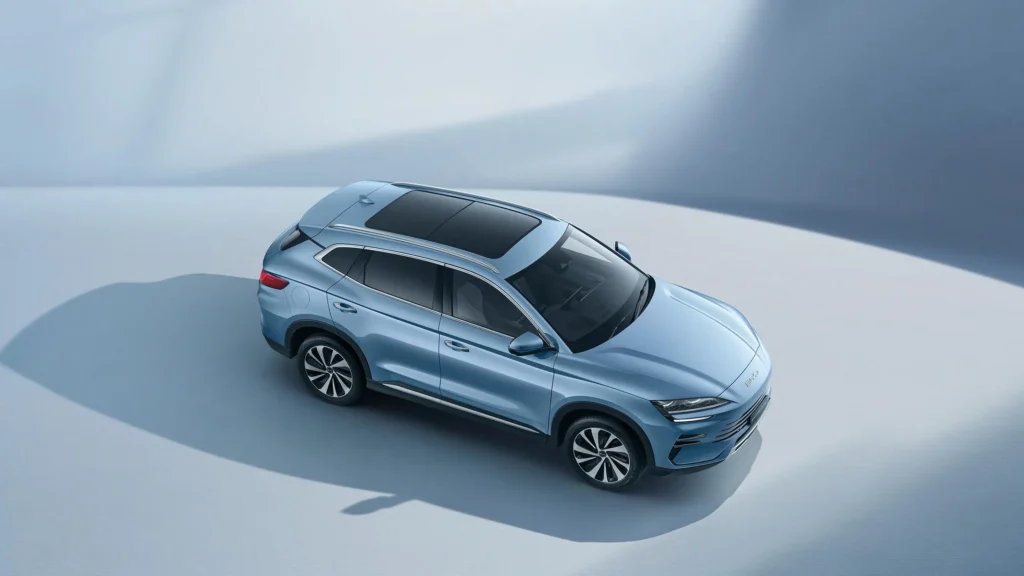
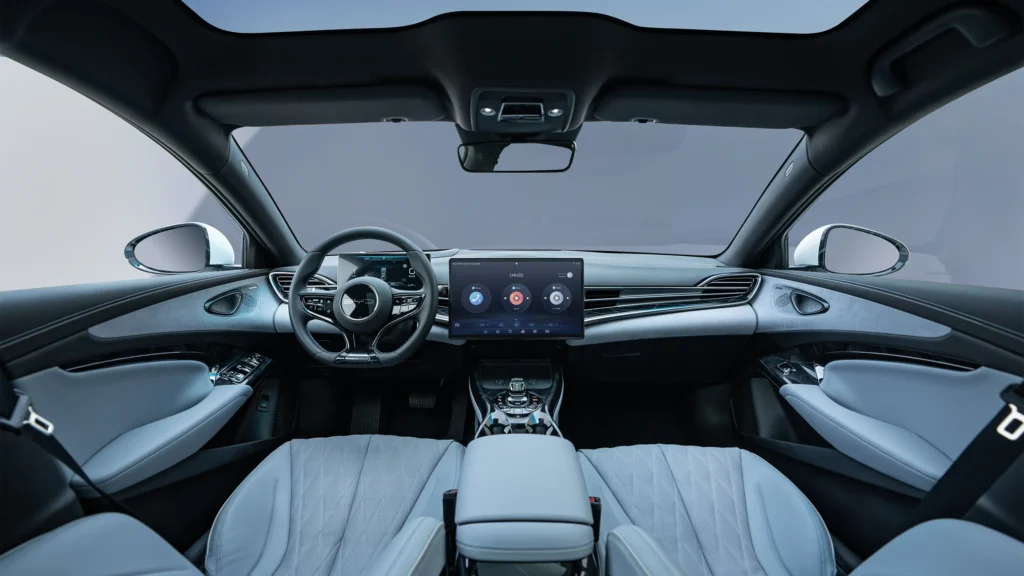
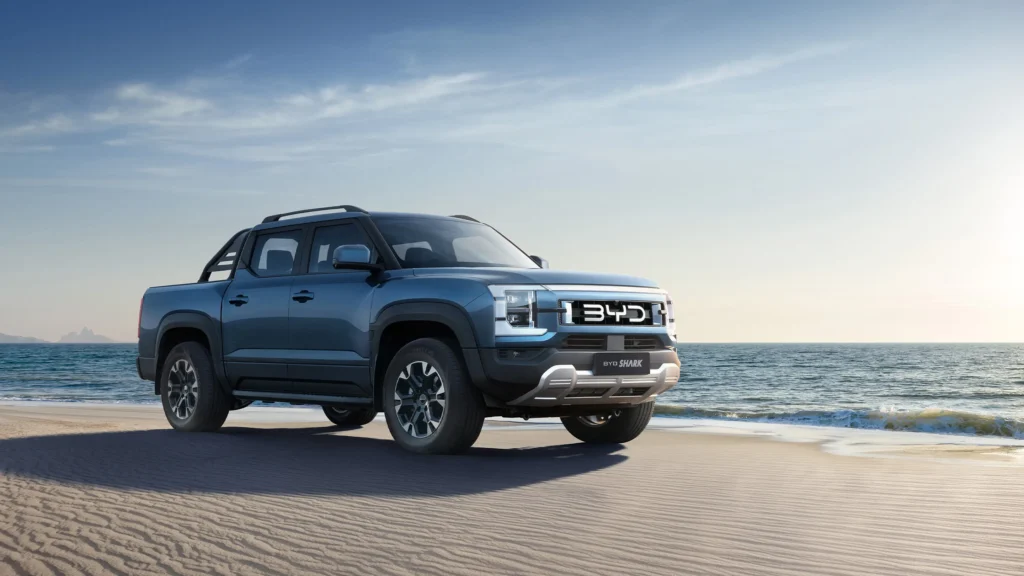
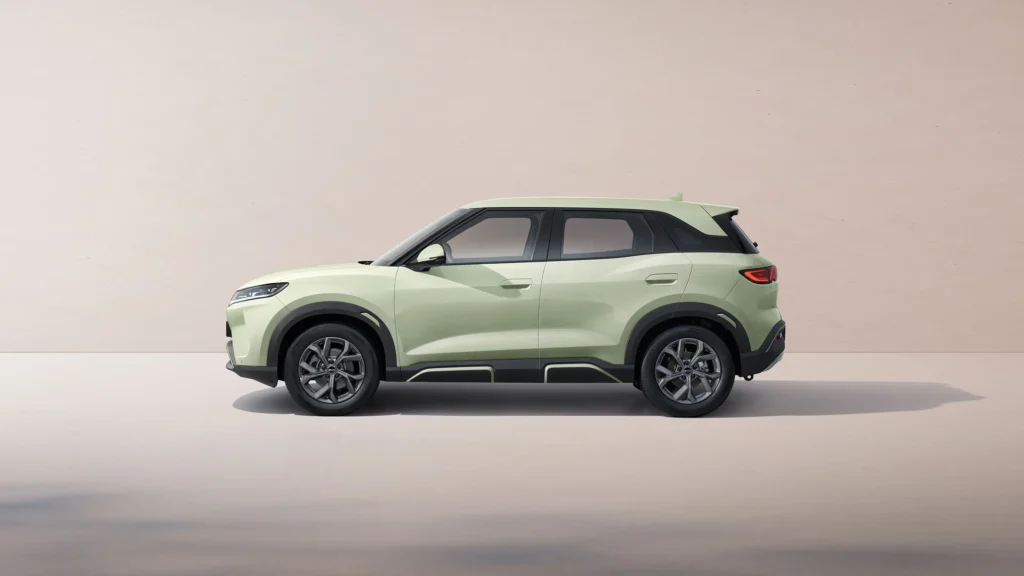
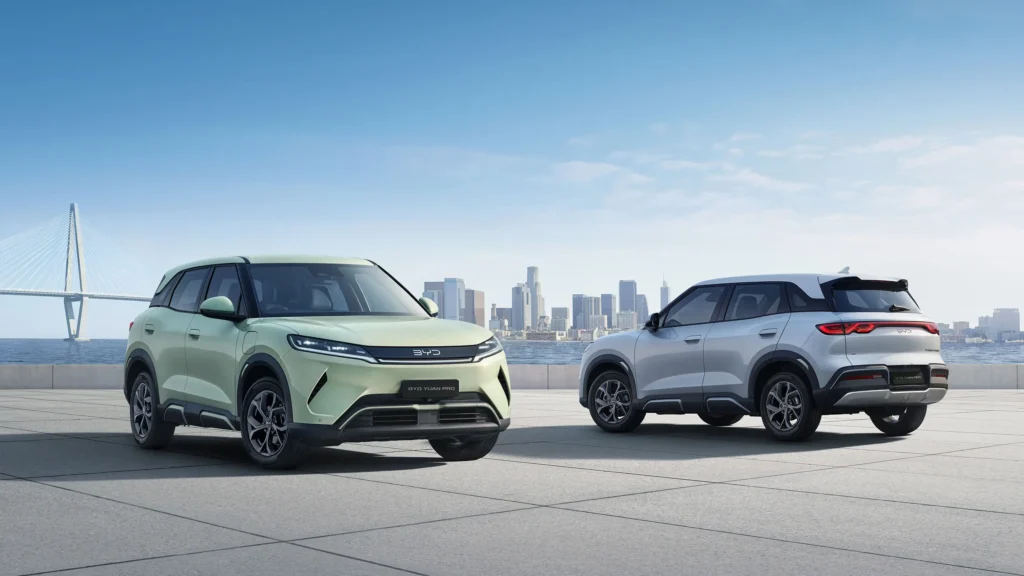
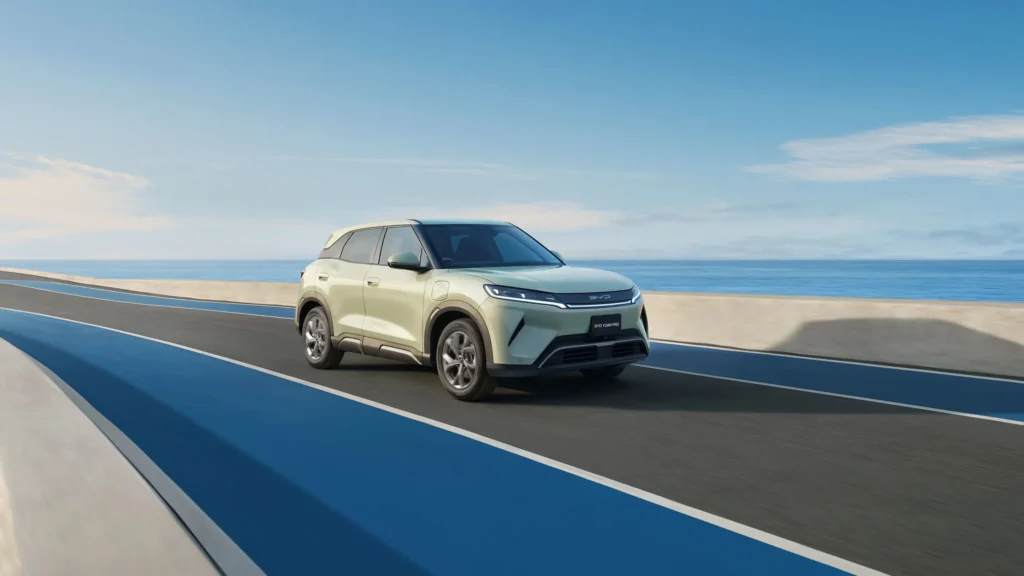
Its international lineup includes models such as the Dolphin, Atto 3, Seal, Sealion 7, Han and Tang, alongside plug-in hybrid offerings and the Shark pickup in selected markets. The broader BYD Group also operates premium automotive brands including Denza and Yangwang, but cars represent only part of the larger company.
BYD’s businesses also extend into electronics, renewable energy, battery storage and rail transportation.That ecosystem is central to understanding why the company has been able to move so aggressively into electric mobility.
WHY BYD MATTERS
BYD represents something larger than the arrival of another automotive brand.
It demonstrates how dramatically the competitive center of the global automobile industry is changing. For decades, scale in automotive manufacturing was largely defined by engines, factories, dealer networks and mechanical engineering.
The electric era changes that equation. Battery chemistry, semiconductors, software, power electronics, charging and manufacturing efficiency are increasingly just as important.
BYD entered that transition with many of those capabilities already inside the company.
That does not guarantee permanent dominance. Competition in China is intense, global trade barriers are increasing and established automakers are investing billions to defend their positions; however, BYD has already accomplished something significant.
A company that began by manufacturing rechargeable batteries in Shenzhen has evolved into a global automotive contender capable of influencing how — and where — the next generation of cars is built.
And the rest of the automobile industry is paying attention.
Photos Courtesy of BYD