
Alexander Zverev has finally reached the summit of men’s tennis.
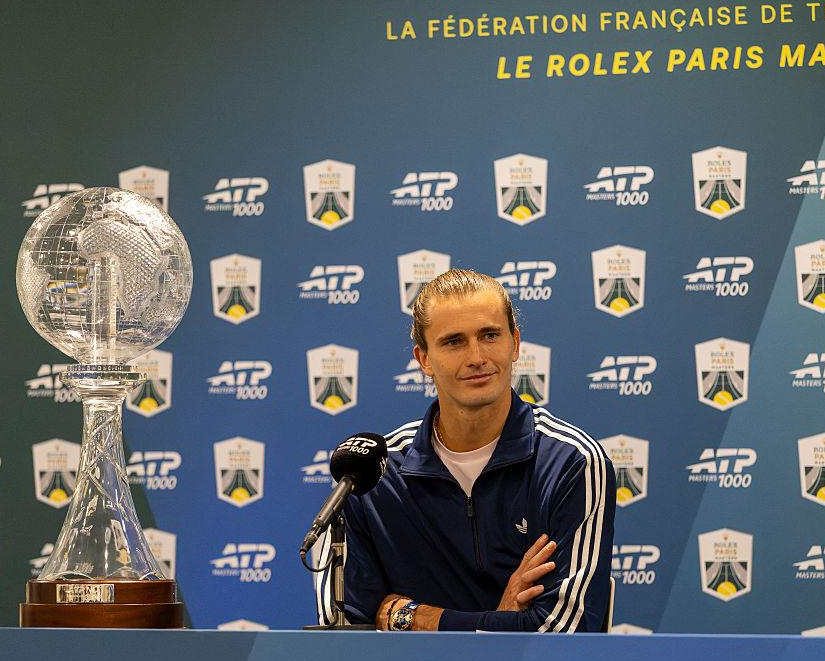
The 29-year-old German officially became the world’s No. 1-ranked men’s singles player on November 2, 2026, completing a remarkable season in which years of near misses were replaced by Grand Slam victories and the biggest ranking milestone of his career.
Zverev became the 30th man to reach No. 1 since the ATP rankings began in 1973 and only the second German man to hold the position, following Boris Becker. He has also secured the year-end No. 1 ranking, becoming the first German man to finish a season at the top.
The Season That Changed Everything
For much of his career, Zverev occupied an unusual position in men’s tennis: consistently among the world’s best, an Olympic gold medalist and multiple Masters champion, but without a Grand Slam title.
That changed dramatically in 2026.
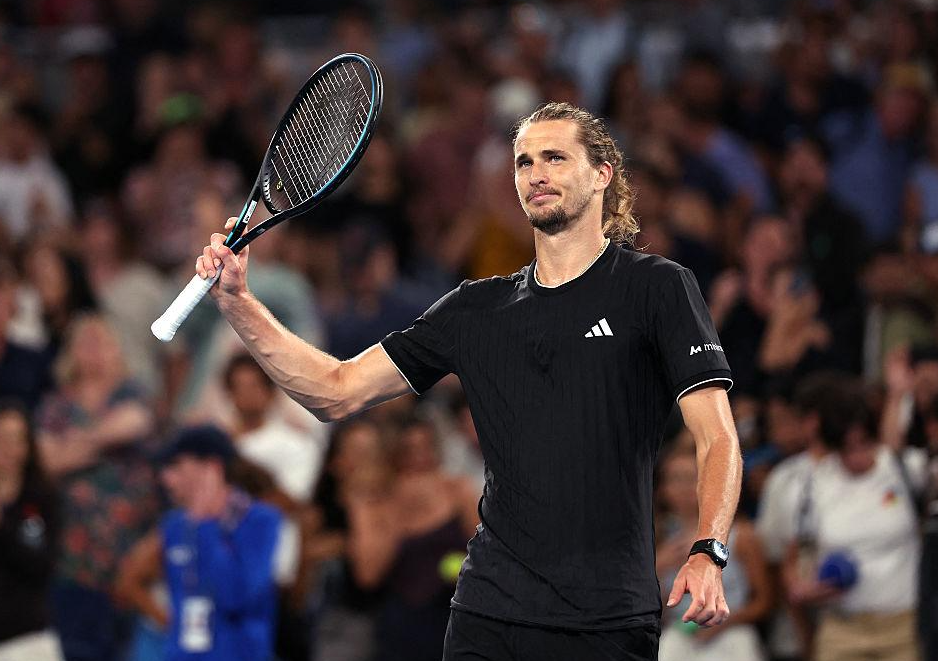
At Roland Garros, Zverev defeated Flavio Cobolli in a five-set final to capture his first major championship. The victory carried additional significance because Paris had previously delivered some of the most difficult moments of his career, including the severe ankle injury he suffered during his 2022 semifinal against Rafael Nadal.
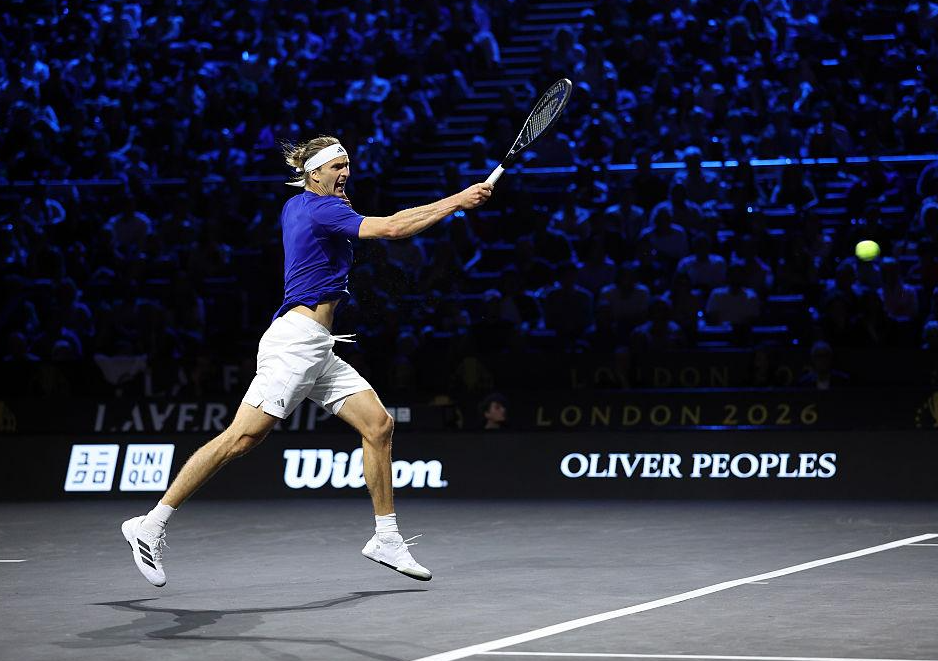
Zverev followed that breakthrough with a run to the Wimbledon final before adding another major trophy at the US Open, defeating American Ben Shelton in four sets.
By the fall, the combination of Zverev’s results and injuries affecting his closest rivals had transformed the battle for No. 1.
Jannik Sinner ended his season because of a knee injury, while Carlos Alcaraz was mathematically eliminated from the race for the year-end top ranking. Zverev then secured his ascent to No. 1 by reaching the quarterfinals in Vienna.
For a player who had climbed as high as No. 2 but never reached the top position, the achievement completed one of professional tennis’ longest-running unfinished stories.

Success — And Renewed Scrutiny
Zverev’s arrival at No. 1, however, has also brought renewed attention to domestic abuse allegations made against him by two former partners.
Former partner Olga Sharypova publicly accused Zverev of physical and emotional abuse in 2020. Zverev denied her allegations. The ATP later commissioned an independent investigation and announced in January 2023 that it had found insufficient evidence to substantiate the allegations and would take no disciplinary action.
A separate case involving former partner Brenda Patea resulted in a German court issuing a penalty order against Zverev in 2023 over an alleged 2020 incident. Zverev challenged that order and continued to deny wrongdoing.
The case went to trial in Berlin in 2024 but was discontinued after an agreement between the parties. Zverev was required to make payments totaling €200,000 to the German state and nonprofit organizations.
Importantly, the termination of the case was not a verdict determining guilt or innocence. The court said the facts remained unresolved, while Zverev’s legal team maintained that the agreement did not constitute an admission of guilt.
The ATP took no additional disciplinary action.
What World No. 1 Means Now
On the court, there is little question that 2026 represents the most successful season of Zverev’s career.
Two Grand Slam championships have changed the competitive narrative around a player who had previously lost his first three major finals. The No. 1 ranking now places him alongside a select group in tennis history and gives Germany its first year-end men’s No. 1.
But becoming the face at the top of the rankings also brings a different level of visibility.
Zverev enters the next stage of his career with the accomplishments he pursued for more than a decade finally secured — while continuing to operate under public scrutiny connected to allegations that have followed him for years.
For the first time, the number beside Alexander Zverev’s name is 1.