
The King’s first official visit to The Bahamas as monarch combined ceremony, Bahamian culture, conservation and youth engagement with a much larger conversation about slavery, colonial history and reparatory justice.
King Charles III returned to The Bahamas in late October for his first official visit to the country since becoming monarch, beginning a Caribbean tour that placed questions about the region’s past alongside conversations about its future.
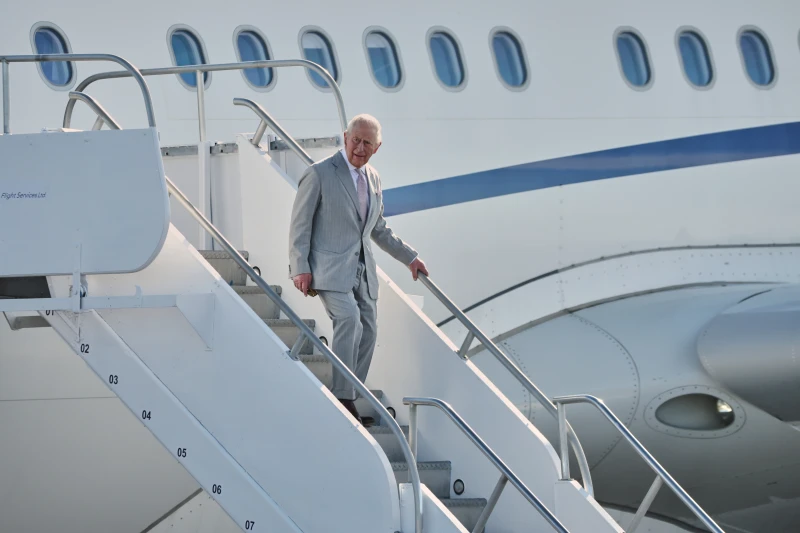
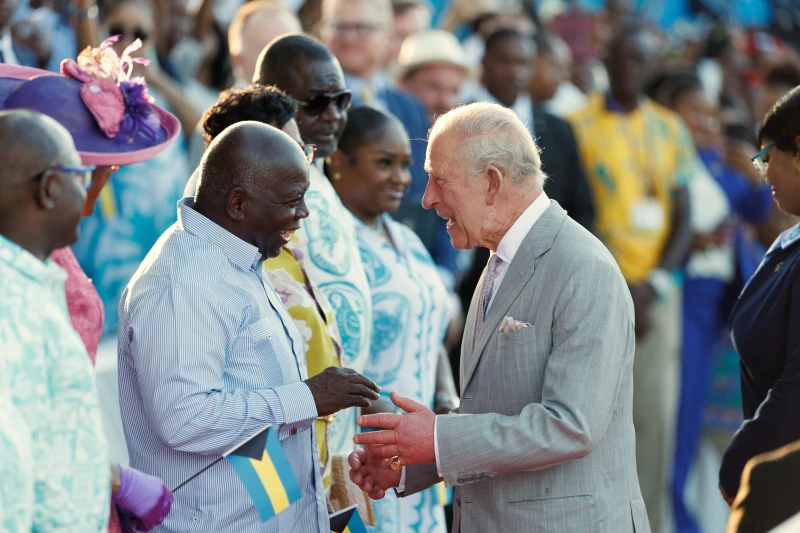
Charles arrived in Nassau on October 27, where he was welcomed by Governor-General Dame Cynthia Pratt and Prime Minister Philip Davis. The visit held particular historical significance for the King: 53 years earlier, then Prince Charles had represented Queen Elizabeth II at The Bahamas’ Independence celebrations in 1973.
A Return to Clifford Park
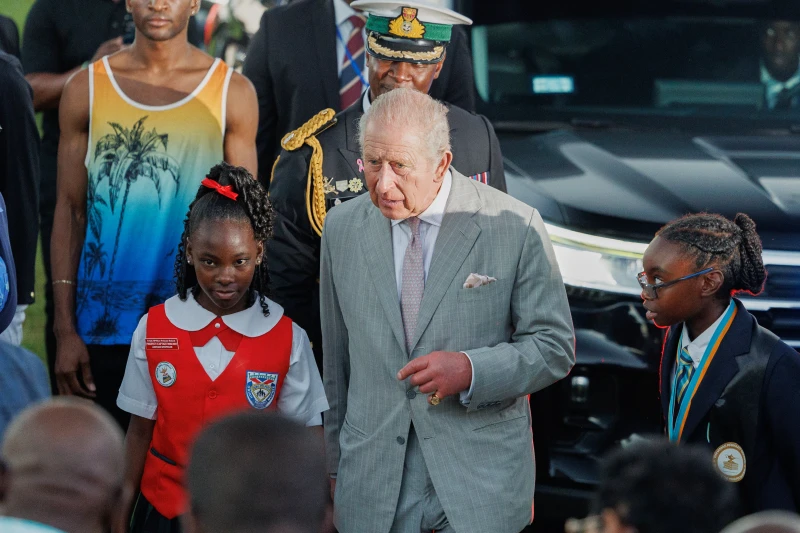
One of Charles’ first major engagements was the Future Bahamas Youth Rally and Exhibition at Clifford Park, the same historic site associated with the country’s Independence celebrations.
There, surrounded by young Bahamians, cultural performances and national symbols, the King addressed the complicated history connecting The Bahamas, Britain and the monarchy.
Charles said some of the brightest elements of modern Bahamian culture had emerged from a much darker history and acknowledged the “great suffering and injustices of the past.” He also said leaders from affected Commonwealth countries would discuss those issues at the Commonwealth Heads of Government Meeting in Antigua and Barbuda.
But acknowledgment is not the same as an apology.
Charles arrived in the Caribbean as calls for reparations for slavery continued to grow across the region. The Associated Press reported that Buckingham Palace expected the King to continue acknowledging slavery as an atrocity while stopping short of a formal apology, reflecting the position of the British government.
The CARICOM Reparations Commission has continued pushing the issue internationally and made reparatory justice a central subject surrounding the 2026 Commonwealth summit.
Culture, Service and the Environment
The visit was not defined solely by the reparations debate.
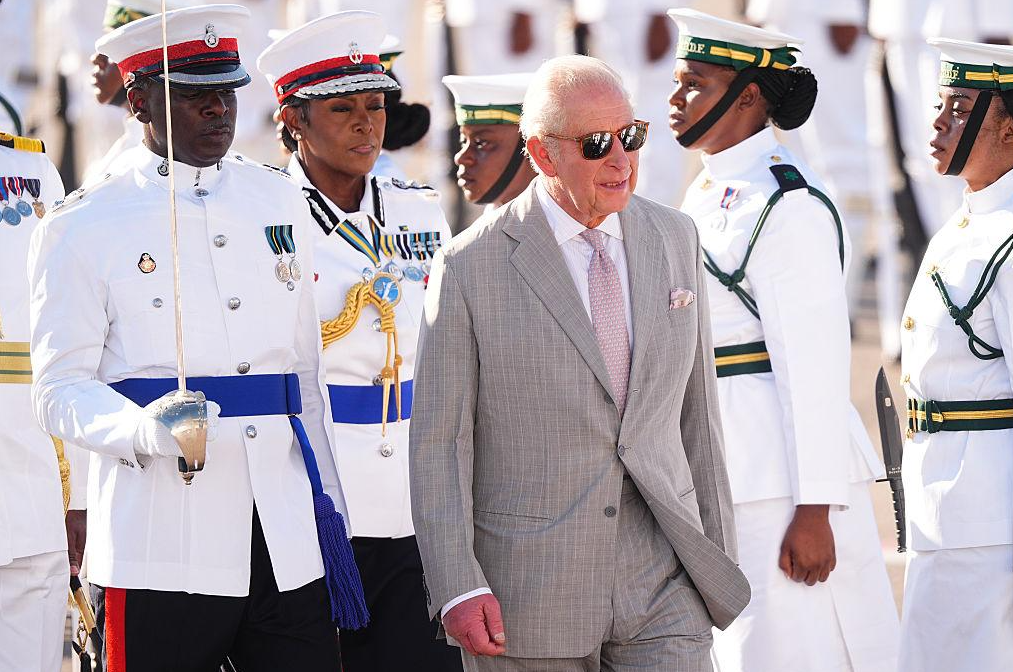
Charles spent his second day traveling across New Providence. At Coral Harbour Royal Bahamas Defence Force Base, he inspected a Guard of Honour and laid a wreath at the HMBS Flamingo Monument.
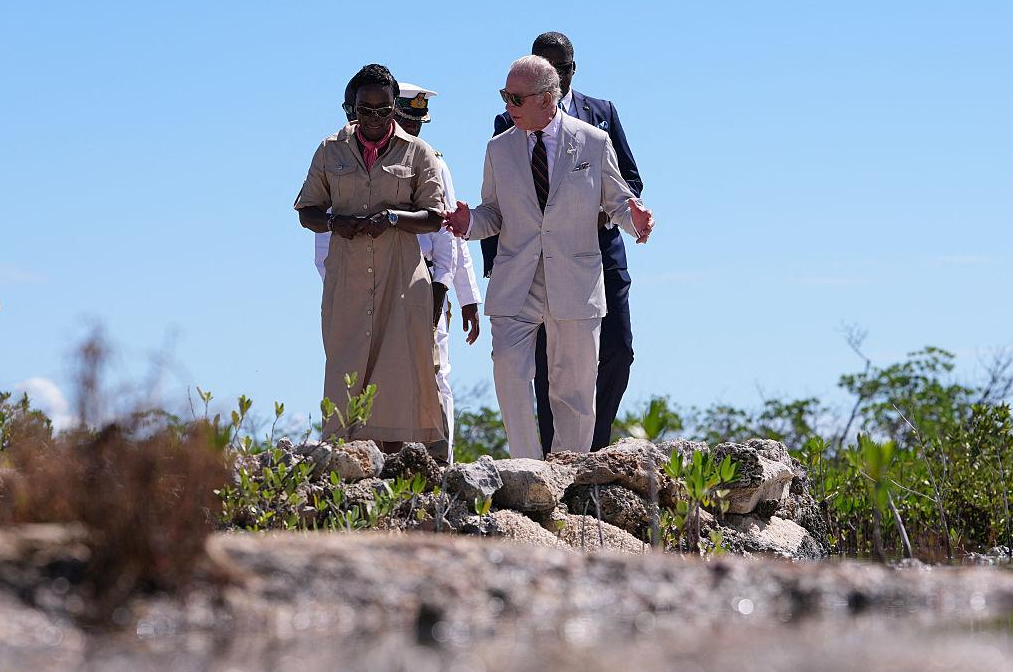
He later visited Bonefish Pond National Park, where he learned about the protected ecosystem and watched students participate in environmental education activities.
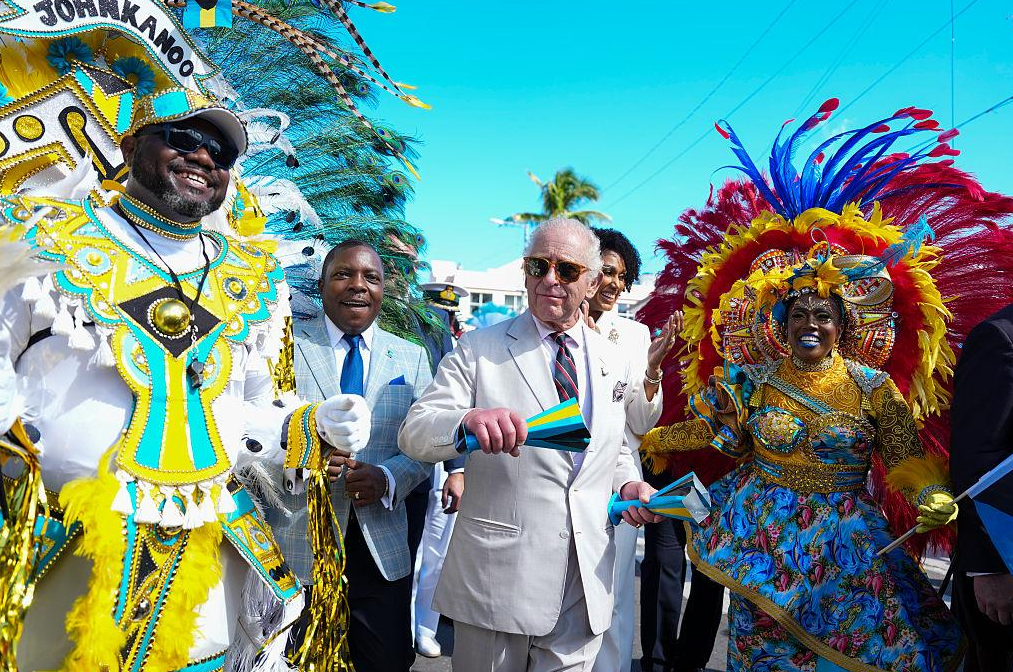
At the Bahamas Boxing Academy, the King met athletes and watched training and sparring sessions before continuing to Parliament Square, where he met representatives from government, Parliament and the judiciary. He later walked through cultural exhibition booths and watched a Junkanoo parade along Bay Street.
The environmental component reflected another major theme of the tour.
During his address, Charles pointed to The Bahamas’ vulnerability to climate change, saying that 90 percent of the country’s land sits below two metres above sea level. He urged younger generations to play a role in creating a more sustainable future.
The Crown and a Changing Caribbean
The Bahamas remains one of the Commonwealth countries where King Charles III serves as head of state, making his visit more than a conventional overseas royal appearance.
It also illustrated the increasingly complex environment in which the monarchy operates across the Caribbean.
The formalities remained: military honours, meetings with national leaders, receptions and cultural celebrations.
But running alongside them was a conversation that has become increasingly difficult to separate from royal visits to the region — how Britain and the monarchy address the history of slavery, colonialism and the economic and social legacies that Caribbean governments and reparations advocates say continue into the present.
For Charles, the visit connected two moments separated by more than half a century.
In 1973, he stood at Clifford Park as The Bahamas celebrated Independence.
In 2026, he returned as King to a country firmly defining its own identity — while the region around it asks increasingly direct questions about what acknowledgment, accountability and partnership with its former colonial power should look like next.
Photos provided by: Tim Aylen