From a small booth in Rio de Janeiro to stores and customers around the world, FARM Rio has built one of Brazil’s most recognizable global fashion brands by turning color, culture and Carioca optimism into an unmistakable identity.
There are fashion brands that follow an aesthetic, and there are brands that manage to create an entire world around themselves.
FARM Rio belongs firmly in the second category.
The Brazilian label known for explosive color, tropical prints, flowing dresses and a distinctly joyful point of view began far removed from the international fashion capitals where its clothes are sold today.
Its story started in Rio de Janeiro in 1997, when Kátia Barros and Marcello Bastos began selling their creations from a small booth at an independent fashion market. Barros, who had previously worked as an accounting auditor, wanted to create clothing that reflected something she felt was missing from fashion around her: the natural vibrancy, freedom and energy of Rio.
That idea became FARM.
A Brand That Looks Like Home
Understanding FARM Rio requires understanding the city behind it.
The brand is heavily influenced by the Carioca lifestyle — the term associated with people and culture from Rio de Janeiro. Beach life, tropical vegetation, music, architecture, Brazilian craftsmanship, street culture and an ease around dressing all feed into its visual vocabulary.
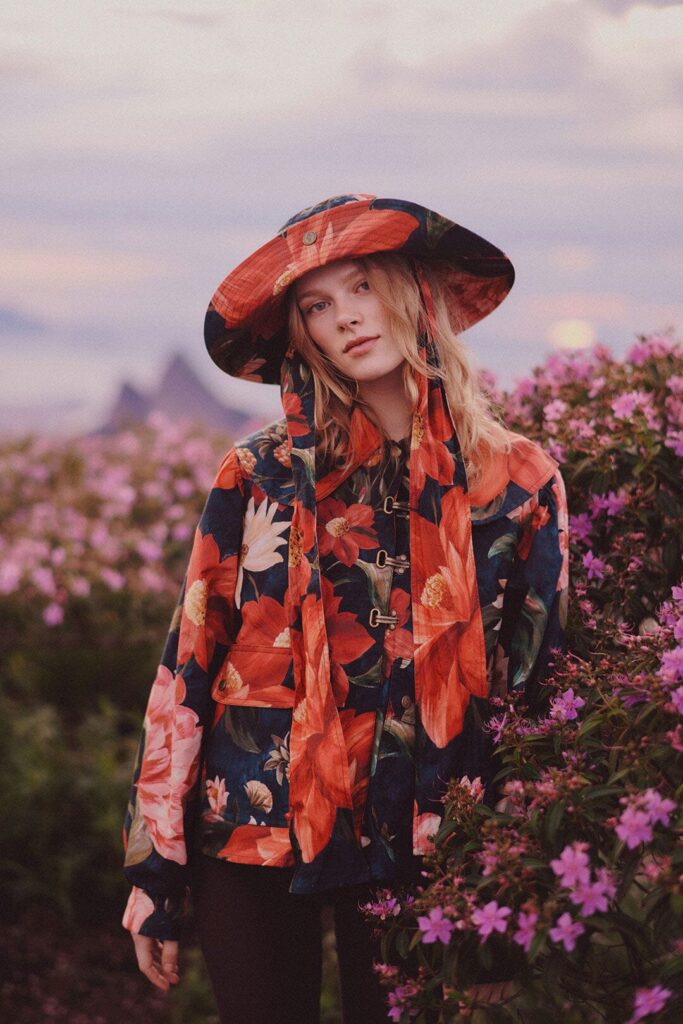
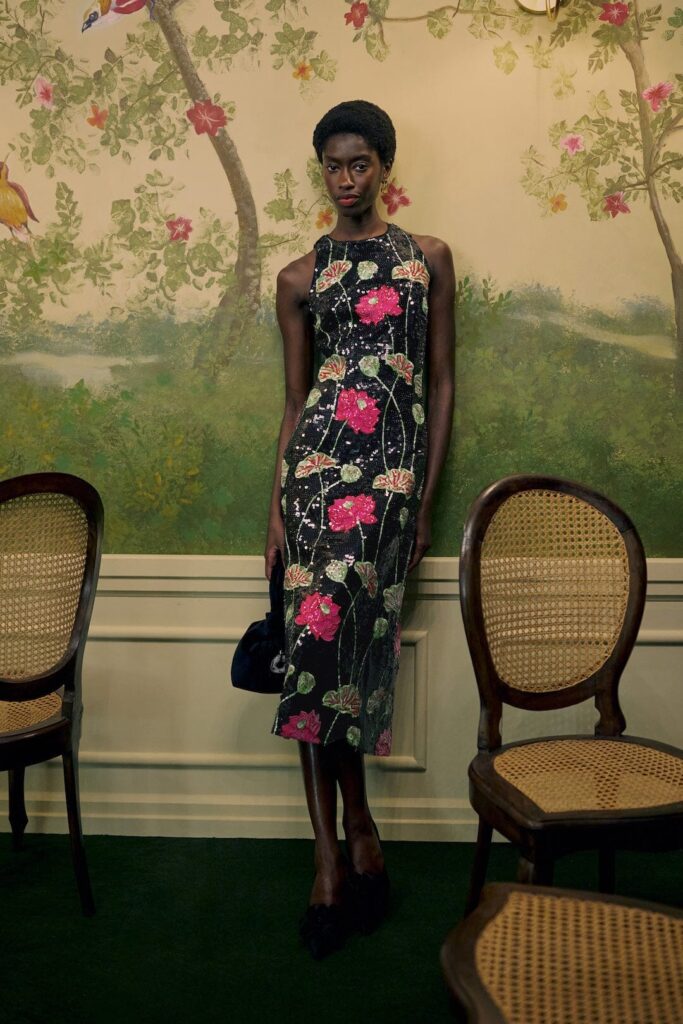
Nature remains one of its most obvious signatures. Flowers, leaves, birds, fruits and other elements of Brazilian biodiversity regularly appear across collections.
FARM Rio says its creative collective now produces more than 700 exclusive prints across more than 4,500 styles each year.
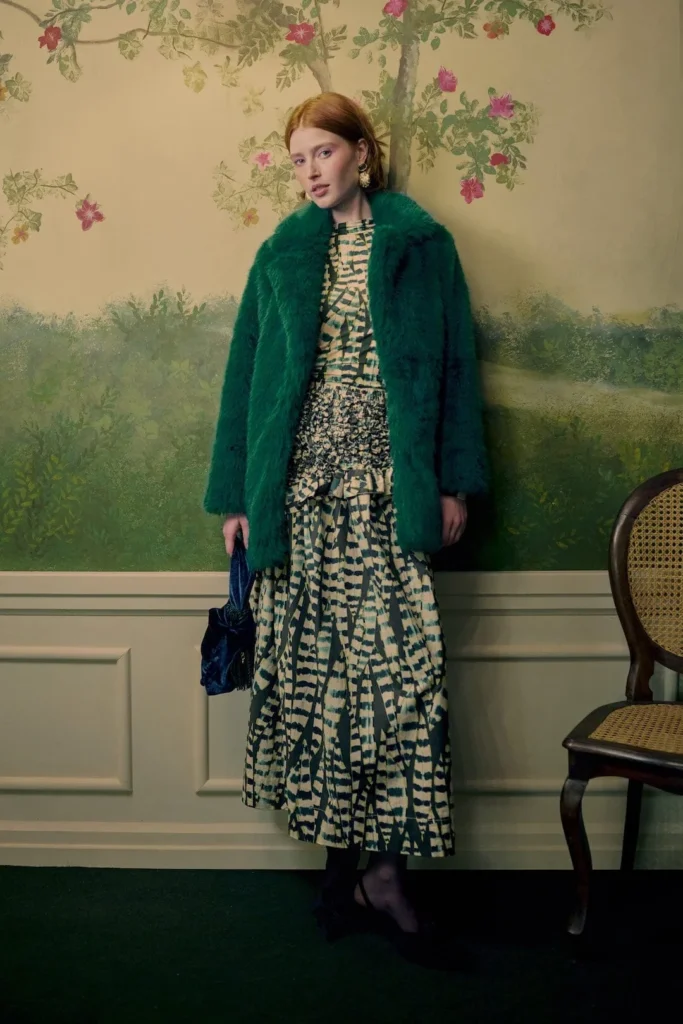
That volume is important because print is not simply decoration for FARM Rio. It is one of the company’s most valuable pieces of brand recognition.
A FARM Rio dress can frequently be identified across a room without anyone seeing its label.
And in modern fashion, that kind of recognition is extremely valuable.
Why FARM Rio Became So Popular
Several factors help explain why a brand born in Rio has resonated far beyond Brazil.
First is visual differentiation.
At a time when large parts of contemporary fashion have moved through periods dominated by minimalism, neutrals and understated branding, FARM Rio has consistently gone in the opposite direction.
The brand embraces maximalism.
Its clothes are designed to be noticed.
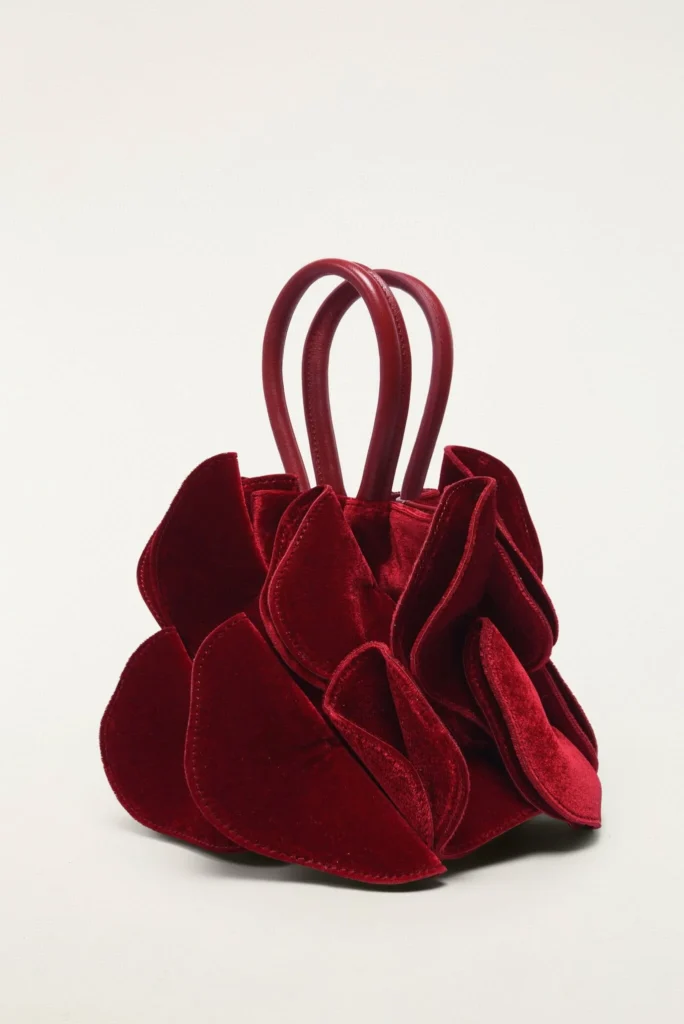
Bright tropical prints, embroidery, dramatic sleeves, flowing silhouettes, crochet and unusual color combinations give the collections an immediate identity.
Second, FARM Rio sells an emotion as effectively as it sells clothing.
Its long-running philosophy of “Dress in Happiness” positions fashion as an extension of optimism, travel, celebration and self-expression.
The customer is not simply buying a printed dress.
She is buying a little of the lifestyle surrounding it: Rio sunshine, vacations, beaches, movement, nature and escape.
That emotional clarity makes FARM Rio particularly suited to the visual world of Instagram, travel culture and destination dressing.
Brazil Goes Global
For years, FARM was already a major name at home before becoming widely known to international shoppers.
Its international expansion accelerated in 2019, bringing the brand into markets outside Brazil and cities including New York, Los Angeles, Paris, London, Mexico City and Dubai.
Strategic collaborations also gave FARM Rio access to audiences far beyond its own stores.
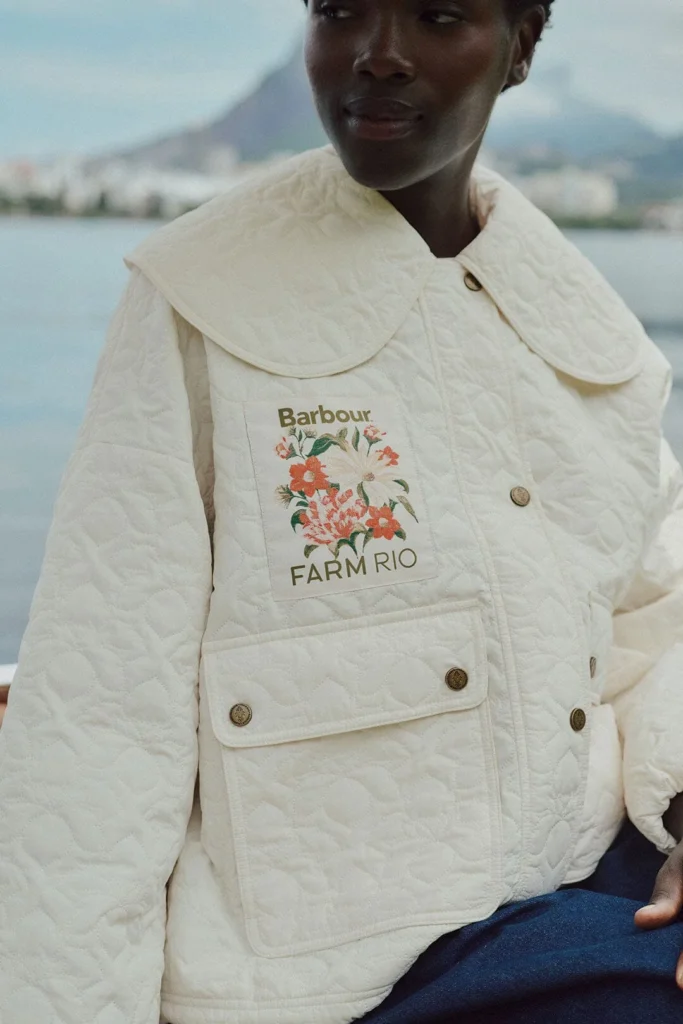
The company has worked with adidas, Havaianas, Levi’s, Sézane, Starbucks, Barbour, Stanley and Rip Curl, among others. Its long-running adidas collaboration has been distributed across more than 50 countries.
Those partnerships work because FARM Rio brings something immediately recognizable to them: Brazilian color.
Even when its prints appear on sneakers, jackets, cups or flip-flops, the brand identity remains visible.
That is the mark of a company with strong creative equity.
From Brazilian Favorite to International Business
The numbers now reflect how far the company has traveled.
In 2025, Vogue reported that FARM Rio had reached approximately $188 million in fiscal 2024 sales, while continuing to build its business across the United States, Europe and Latin America.
FARM also sits inside a significantly larger Brazilian fashion ecosystem.
Grupo Soma, of which FARM was a major brand, combined with Arezzo&Co in 2024 to create Azzas 2154, now one of Latin America’s largest fashion groups. FARM Rio identifies itself today as part of that group.
The larger structure gives FARM access to the infrastructure required for international retail while allowing the brand to retain the creative personality that made it valuable in the first place.
Nature as Part of the Brand
FARM Rio has increasingly connected its nature-driven aesthetic with environmental initiatives.
The company is now a Certified B Corporation, earning an assessment score of 85.8, according to FARM Rio. Its environmental programs include its “1,000 Trees a Day, Every Day” initiative, which supports reforestation across all six Brazilian biomes.
The company says more than 2 million trees have been donated through its reforestation work.
For a company whose imagery depends so heavily on the natural beauty of Brazil, that connection between branding and environmental responsibility has become an increasingly important part of its identity.
The Real Secret Behind FARM Rio
FARM Rio’s success is not simply that people like colorful dresses.
It is that the founders built a brand people can immediately recognize, understand and emotionally associate with a place.
The company took something intensely local — Rio de Janeiro’s color, nature, culture and Carioca attitude — and discovered that its appeal could be global.
Instead of diluting that identity as FARM expanded, the company largely made it louder.
That may be the most important lesson in its rise.
Sometimes becoming an international brand does not require looking more international.
Sometimes it requires becoming even more unmistakably yourself.