
Beauty has spent years telling consumers that sustainability requires compromise. Better packaging might mean less desirable design. Cleaner formulations might not perform as well. Refillable products might feel more utilitarian than luxurious. Australian-born bodycare brand UNI is building its business around rejecting that trade-off entirely. Founded by entrepreneur Alexandra Keating, UNI approaches body care as a design problem, an environmental problem and, perhaps most importantly, a product-performance problem that can all be solved at the same time.
Keating’s path to UNI did not begin inside a traditional beauty company. Before entering body care, she built a career in technology and entrepreneurship, including launching previous startups. The concept for UNI began taking shape after a return visit to Australia’s Great Barrier Reef, where concerns surrounding reef health, ocean pollution and the environmental footprint of personal-care products pushed Keating toward a larger question: why should products used every day continue to depend so heavily on disposable packaging and ingredients that may create unnecessary environmental impact?
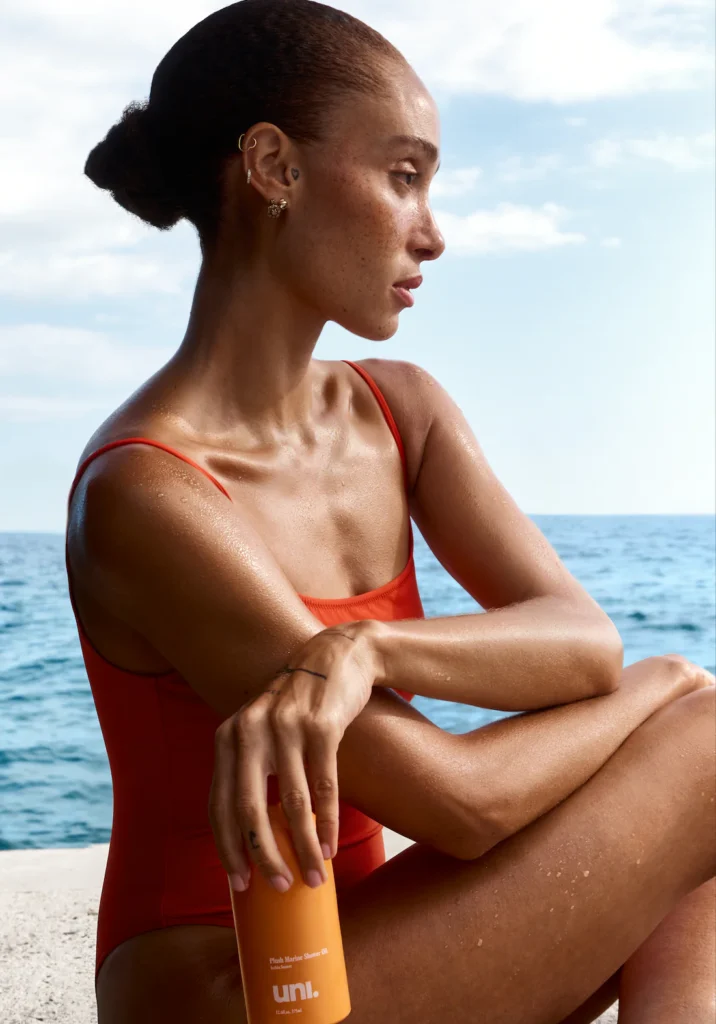
That question became the foundation for UNI, which launched in the United States in 2022. Rather than positioning sustainability as an added feature, the company built it directly into the product architecture. UNI developed a reusable dispenser system paired with recyclable aluminum refill bottles, creating packaging intended to remain in the bathroom while the internal product is replaced. Creative director Marc Atlan, whose luxury work has included brands such as Prada, Dior and Tom Ford, worked on the packaging system, helping give UNI an identity that feels closer to an industrial-design object than the disposable bottles traditionally associated with personal care.
That design distinction matters because UNI clearly understands something many sustainability-focused brands have struggled with: consumers are unlikely to permanently change behavior simply because they are told that they should. The alternative has to be desirable. UNI’s dispensers are sleek, sculptural and deliberately minimal, allowing the refillable system to become part of the visual appeal rather than something the brand needs to hide. Sustainability becomes the architecture of the luxury experience rather than an obligation attached to it.
The formulas follow the same philosophy. UNI describes itself today as a clean bodycare company centered around a proprietary Marine Complex, with formulations incorporating marine

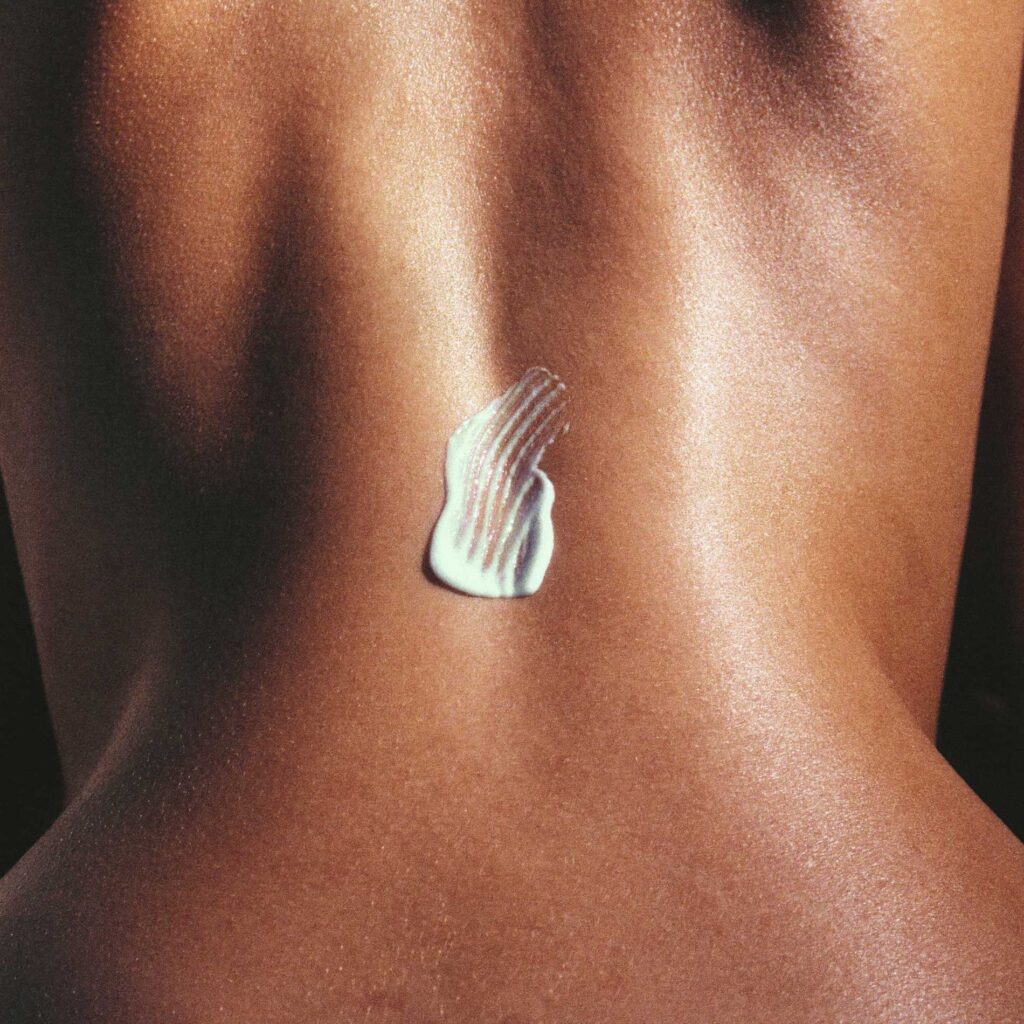
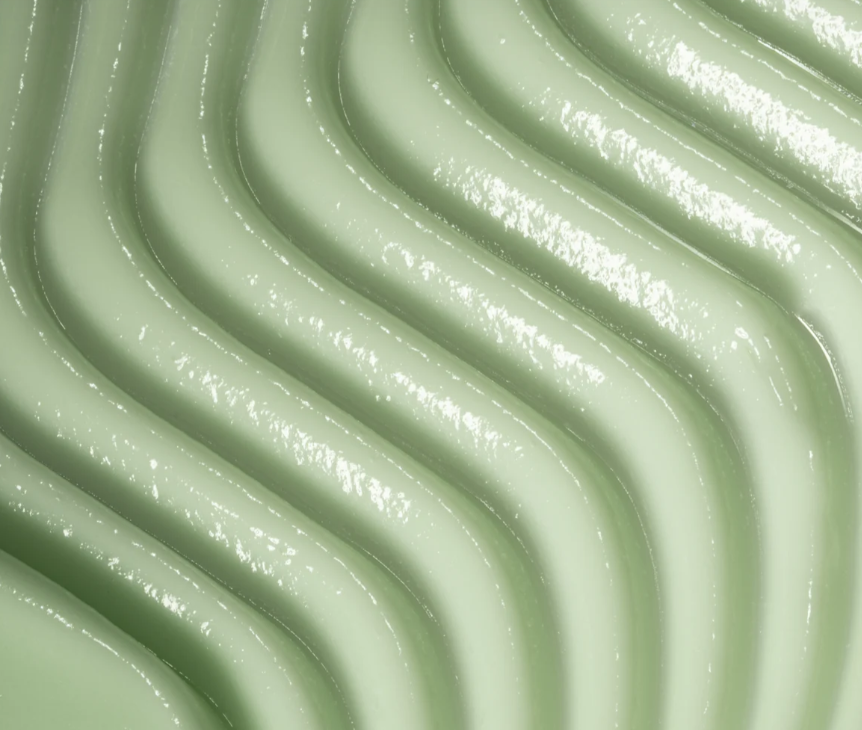
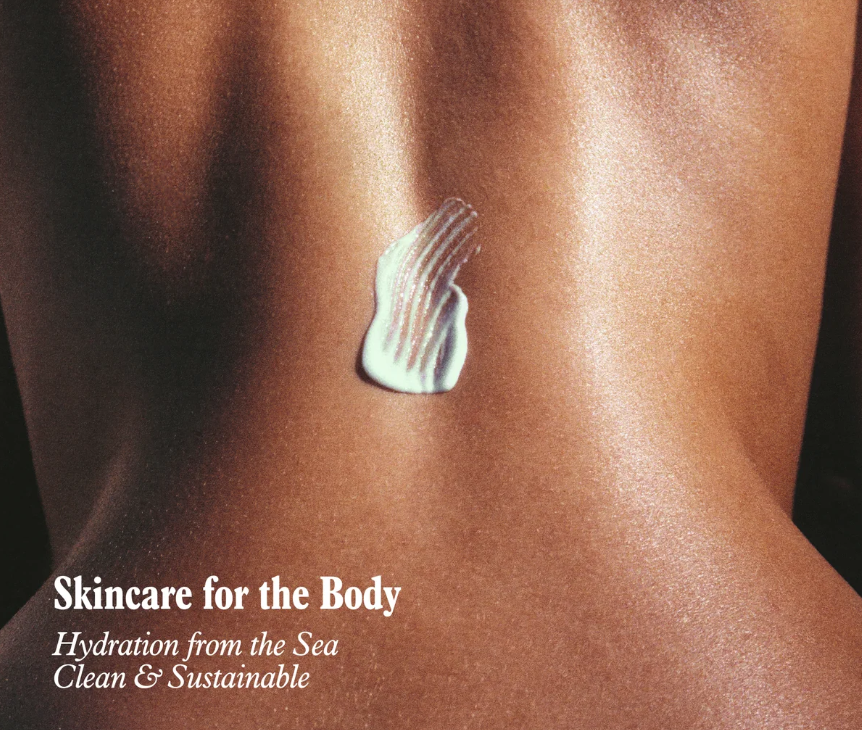
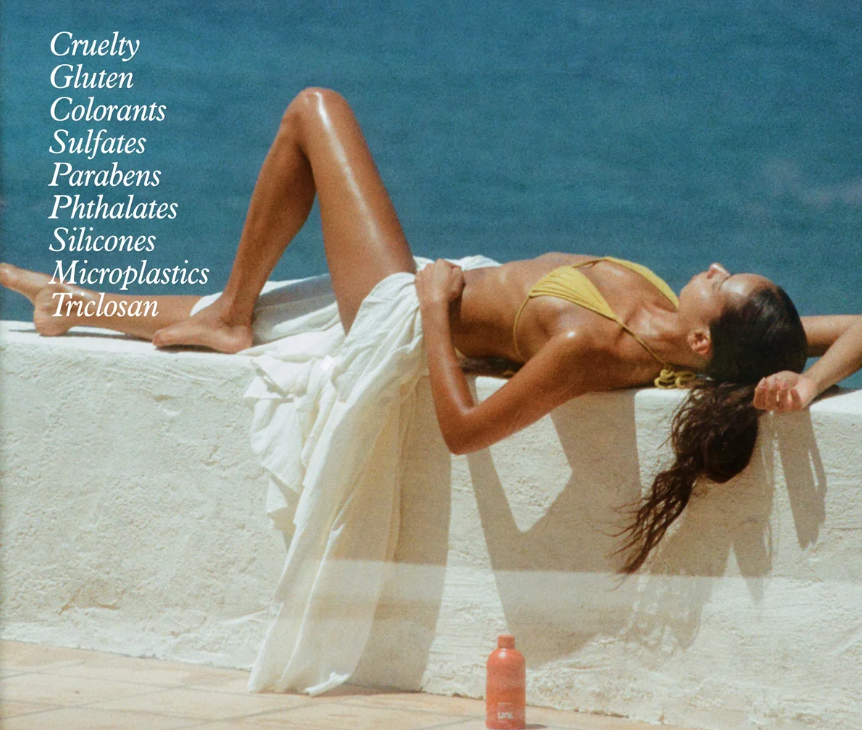


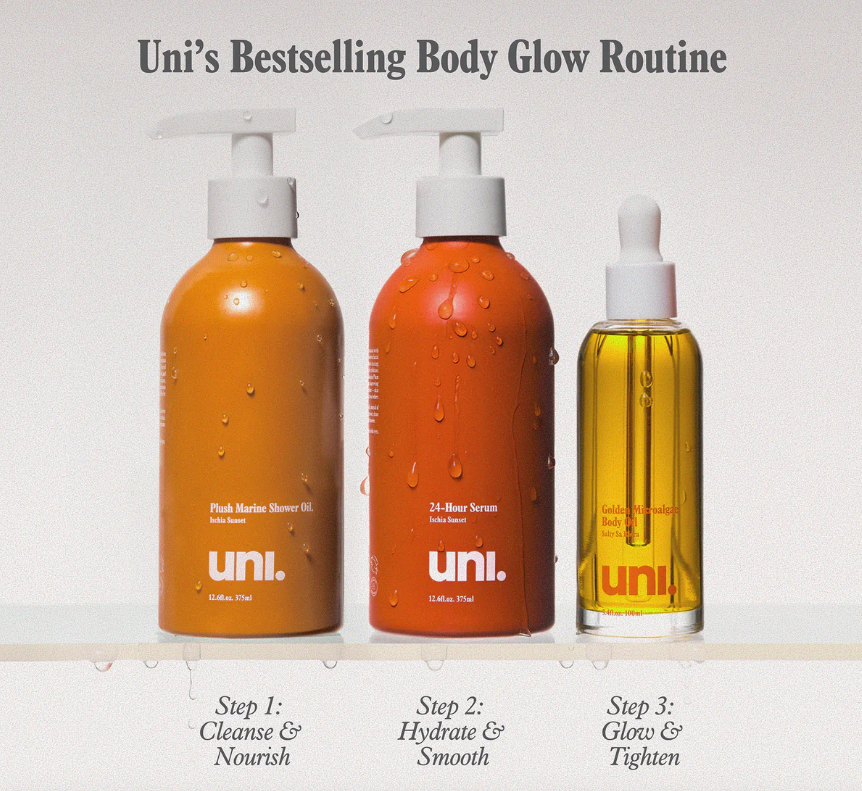
and plant-derived ingredients such as Australian Kakadu plum, caviar lime, algae, sea kelp and aloe. The brand extends facial-skincare thinking into products for the body, offering everything from body wash and serum to shampoo, conditioner, hand wash, body oil, exfoliating cleansers and deodorant. Its Skin Shield Body Wash, for example, pairs Australian botanicals and marine ingredients with a formula designed to cleanse while maintaining hydration, while its 24-Hour Body Serum uses the brand’s Marine Complex alongside Kakadu plum and caviar lime.
UNI’s language around the category is particularly revealing. The company argues that body care does not have to stop at fragranced soap and that skincare technology should not be reserved exclusively for the face. That places UNI inside a broader shift occurring throughout beauty, where the traditional separation between facial skincare and body products is steadily disappearing. Consumers increasingly expect serums, active ingredients, hydration claims and elevated formulations everywhere, and UNI is designing its assortment around that expectation.
Then there is what the company calls Blue Beauty. UNI’s sustainability standards include refillability, recyclable aluminum packaging, sustainably sourced and upcycled ingredients, FSC-certified materials and formulas positioned as reef safe. The company also says one percent of its sales supports Coral Gardeners, an organization focused on coral reef restoration. Across its product pages, UNI repeatedly returns to a simple ambition: create products designed for people without ignoring what happens to those products after they leave the bathroom.
This is also where UNI becomes more interesting than another attractive direct-to-consumer beauty startup. Keating has described the concept as a form of “guilt-free luxury,” and that phrase gets directly to the brand’s strategy. UNI is not asking consumers to choose environmental responsibility instead of indulgence. It is attempting to make the sustainable product the more desirable product. The fragrances, tactile packaging, active ingredients and visual identity all work together to make environmental responsibility feel premium rather than punitive.
Retail expansion suggests that the idea is traveling. UNI says the brand is currently available through Ulta Beauty in the United States, MECCA in Australia and Space NK in the United Kingdom, alongside its own direct-to-consumer business and Amazon. Its expansion into MECCA was particularly fitting for a company whose identity remains closely connected to Australia, while its growing international distribution moves UNI beyond the niche sustainability conversation and into competition with established premium bodycare brands.
The company has also earned industry attention. UNI has appeared among Fast Company’s beauty innovation coverage and its products have accumulated recognition across beauty publications and awards programs, while the brand was included in BeautyMatter’s FUTURE50 for 2026. More importantly, those accolades are arriving while UNI continues expanding its product range rather than abandoning its original refill strategy.
From a business perspective, that may be the most important part of the UNI story. Refill systems only work when consumers actually want to refill them. Beautiful packaging can drive the first purchase, but product performance has to drive the second, third and fourth. UNI therefore sits at the intersection of several increasingly important categories: premium body care, conscious beauty, industrial design and recurring-commerce refill models. Its early financing also reflected that ambition, with the company raising a reported $4 million seed round around its launch.
So who is UNI?
It is not simply a sustainable soap company, and reducing the brand to refillable packaging misses what makes the concept compelling. UNI is trying to prove that sustainability can disappear into the experience itself. The bottle can be beautiful because it is reusable. The formulation can feel luxurious while being designed with environmental considerations in mind. The bathroom can look better while producing less disposable packaging.
That is the real proposition UNI is putting forward.
Luxury does not necessarily need another beautiful bottle destined for the trash. Sometimes the smartest design decision is creating one people actually want to keep.
Photo Credit: Courtesy of UNI / WeAreUni.com