
Directed by Nathan Fielder and Lance Oppenheim, A24’s unconventional documentary has earned more than $45 million in just two weeks, becoming the highest-grossing documentary at the U.S. box office in 15 years.
October 25, 2026 | PMG Entertainment
A documentary about one of Silicon Valley’s most controversial figures is rewriting box office expectations.
A24’s You Can See Everything, directed by Nathan Fielder and Lance Oppenheim, has generated an extraordinary $45.1 million at the domestic box office in just two weeks, becoming the highest-grossing documentary in the United States in 15 years.
The film, centered on disgraced Theranos founder Elizabeth Holmes, has emerged as one of the most unexpected theatrical success stories of 2026.
Produced for approximately $7 million, the documentary earned $19.5 million during its second weekend alone, demonstrating the commercial potential of unconventional nonfiction storytelling.
The Woman Behind the Documentary
Elizabeth Holmes was once considered one of the most promising entrepreneurs in Silicon Valley.
In 2003, she founded Theranos, a biotechnology company that claimed it could revolutionize medical testing through technology capable of conducting numerous blood tests using only a small amount of blood.
The company’s ambitious promises attracted prominent investors, powerful board members, and widespread media attention.
At its peak, Theranos reached a reported valuation of approximately $9 billion, transforming Holmes into one of the most recognizable figures in technology.
However, investigations eventually revealed that the company’s blood-testing technology did not perform as advertised.
The scandal led to the collapse of Theranos and criminal proceedings against its founder. Holmes was convicted of investor fraud in 2022 and sentenced to more than 11 years in federal prison.
Her extraordinary rise and public downfall have since become a cautionary story about ambition, credibility, and the dangers of unchecked corporate power.
A Documentary Unlike Any Other
Rather than following a conventional documentary structure, You Can See Everything approaches Holmes’ story through an unusual and psychologically complex lens.
The film begins approximately 34 days before Holmes is scheduled to report to federal prison.
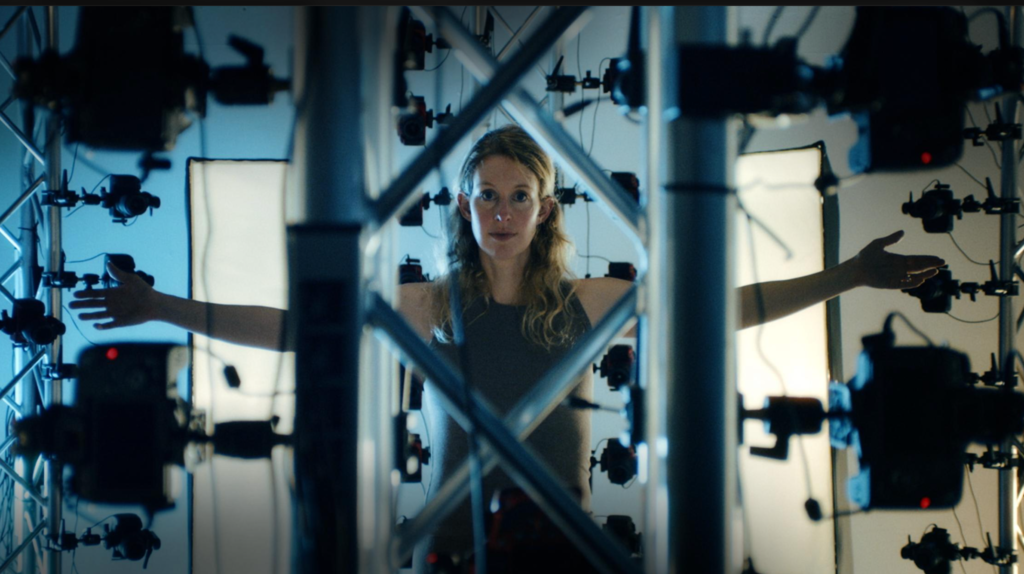
During this period, she invites a documentary crew into her life, allowing the filmmakers access to her personal environment as she prepares to begin her sentence.
What initially appears to be an intimate portrait of a disgraced entrepreneur develops into a far more complicated filmmaking experience.
Fielder, known for his unconventional approach to reality television and performance, brings his distinctive storytelling style to the project alongside Oppenheim, whose documentary work frequently explores identity, spectacle, and human behavior.
The resulting film examines not only Holmes herself but also the complicated relationship between documentary subjects, filmmakers, and audiences.
A $45 Million Box Office Phenomenon
The financial performance of You Can See Everything has surprised the entertainment industry.
The documentary opened in 855 theaters on October 16, generating approximately $15.6 million during its opening weekend.
That figure represented one of the strongest documentary debuts in more than two decades.
Following its initial success, A24 expanded the theatrical release to 2,655 locations.
By October 25, the documentary had accumulated approximately $45.1 million domestically, becoming A24’s highest-grossing documentary release.
Its performance is particularly significant considering its reported production budget of only $7 million.
Although theatrical revenue does not directly translate into studio profit because of marketing expenses and revenue-sharing arrangements, the film’s strong performance represents an exceptional achievement for the documentary genre.
Why Audiences Are Paying Attention
Several factors have contributed to the documentary’s remarkable success.
Holmes remains an intensely debated figure whose story raises questions about ambition, manipulation, wealth, privilege, and accountability.
The involvement of Nathan Fielder has introduced the story to a different audience, particularly younger viewers familiar with his experimental approach to entertainment.
The documentary’s unusual structure and carefully maintained secrecy have also generated curiosity among moviegoers.
According to early audience reporting, approximately 70% of opening-weekend viewers were under 35, suggesting that the film has found considerable support among Millennials and Generation Z.
The film has also attracted significant attention within awards circles, with speculation surrounding its potential recognition during the upcoming Academy Awards season.
What Its Success Means for Documentary Cinema
Historically, documentaries have faced considerable obstacles at the theatrical box office.
Despite critical acclaim and cultural importance, many nonfiction productions struggle to attract the same audiences as narrative feature films.
The success of You Can See Everything challenges that assumption.
Its achievement suggests that documentaries with distinctive creative approaches, compelling subjects, and effective marketing campaigns can generate substantial commercial interest.
For independent distributors such as A24, it also reinforces the value of investing in unconventional storytelling.
More importantly, the documentary illustrates how audiences continue to respond to stories that question established narratives and explore the contradictions behind public figures.
PMG Perspective: When Reality Becomes the Story
The fascination surrounding Elizabeth Holmes extends beyond the collapse of a billion-dollar business.
Her story represents the intersection of wealth, influence, ambition, media manipulation, and the powerful mythology surrounding Silicon Valley entrepreneurship.
You Can See Everything revisits those themes while introducing a different question: how much of what audiences believe they understand about a public figure is shaped by the way that person chooses to be seen?
For an industry increasingly dependent on established franchises and familiar storytelling formats, the documentary’s success is a reminder that originality remains commercially valuable.
With more than $45 million earned in just two weeks, You Can See Everything is not simply documenting a remarkable story. It is creating a significant moment in cinema history.
Sources: Entertainment Weekly, Associated Press, Screen International, Box Office Mojo.
Photo Credit: A24
Editorial: PMG Entertainment
Reporting and box-office figures verified as of October 25, 2026.