
The Chilean ceramist joins Design Week México 2026, bringing a practice rooted in landscape, material exploration and teaching to a shared celebration of Latin American craft.
For Catalina “Cata” Zarhi, Chile’s landscapes provide a starting point for working with clay. Drawing inspiration from the country’s north and south, the ceramist and designer develops a practice in which nature, material and the handmade come together. This October, she joins the Chilean participants at Design Week México 2026, with Chile featured as the event’s guest country.
Her participation forms part of Visión y Tradición, a residency program connecting contemporary creatives with Mexican artisans. Built around collaboration and the exchange of knowledge, the program gives traditional techniques space to inform new work while keeping the people who practise them central to the process.
For Zarhi, that exchange led to Mata Ortiz, Chihuahua. In an interview with Diario Financiero, she described the importance of working alongside artisans and building relationships through the creative process. The encounter offers a personal perspective on the larger Chile–Mexico dialogue: collaboration begins in the workshop, through time spent making and learning together.
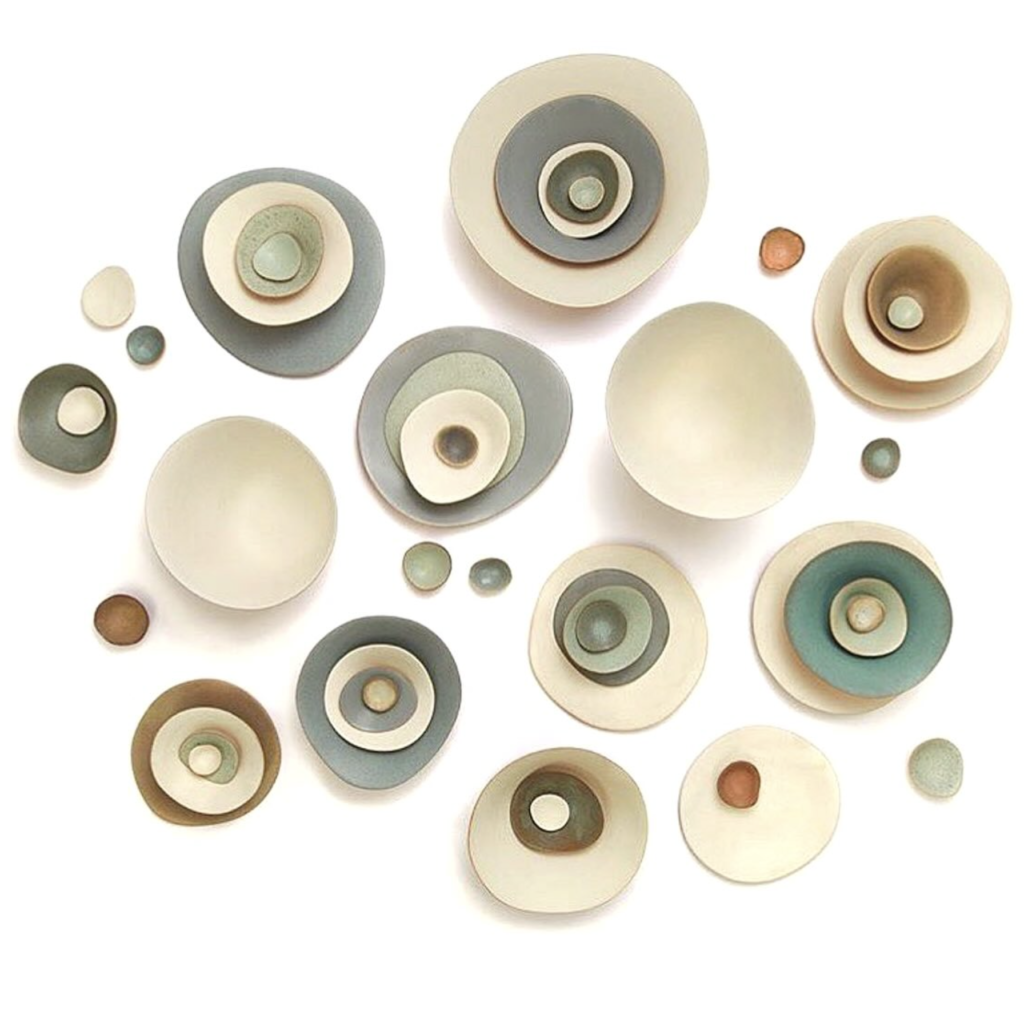
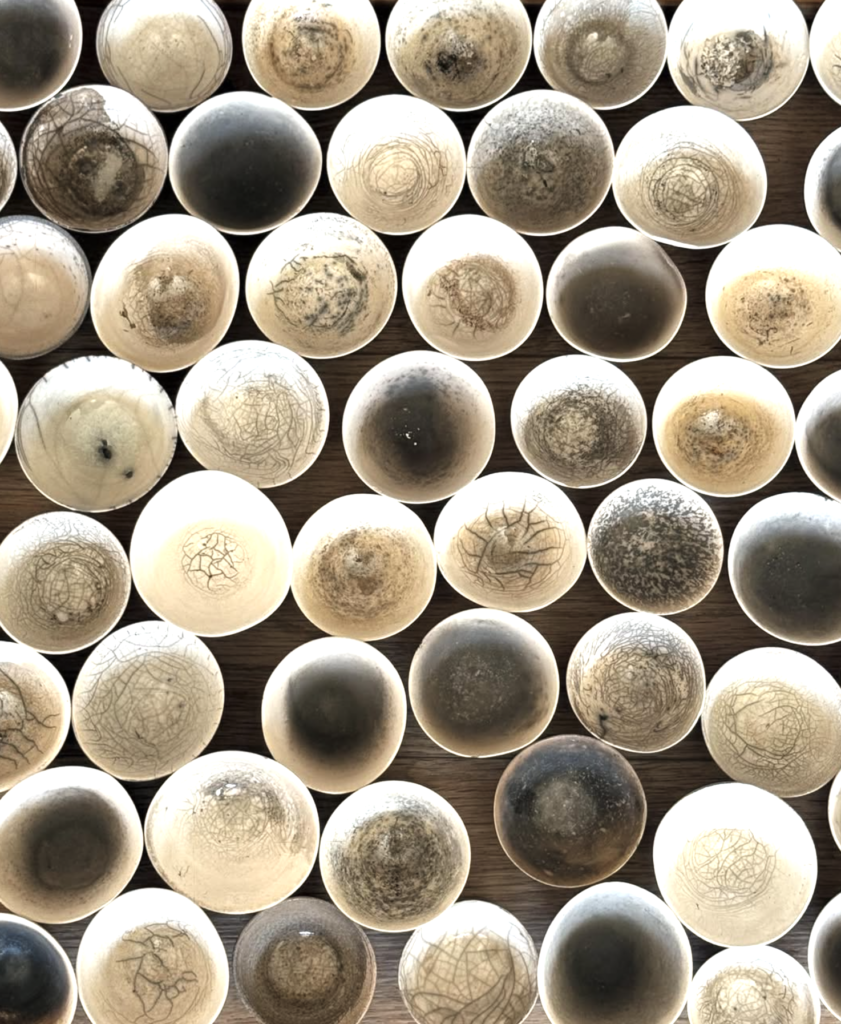
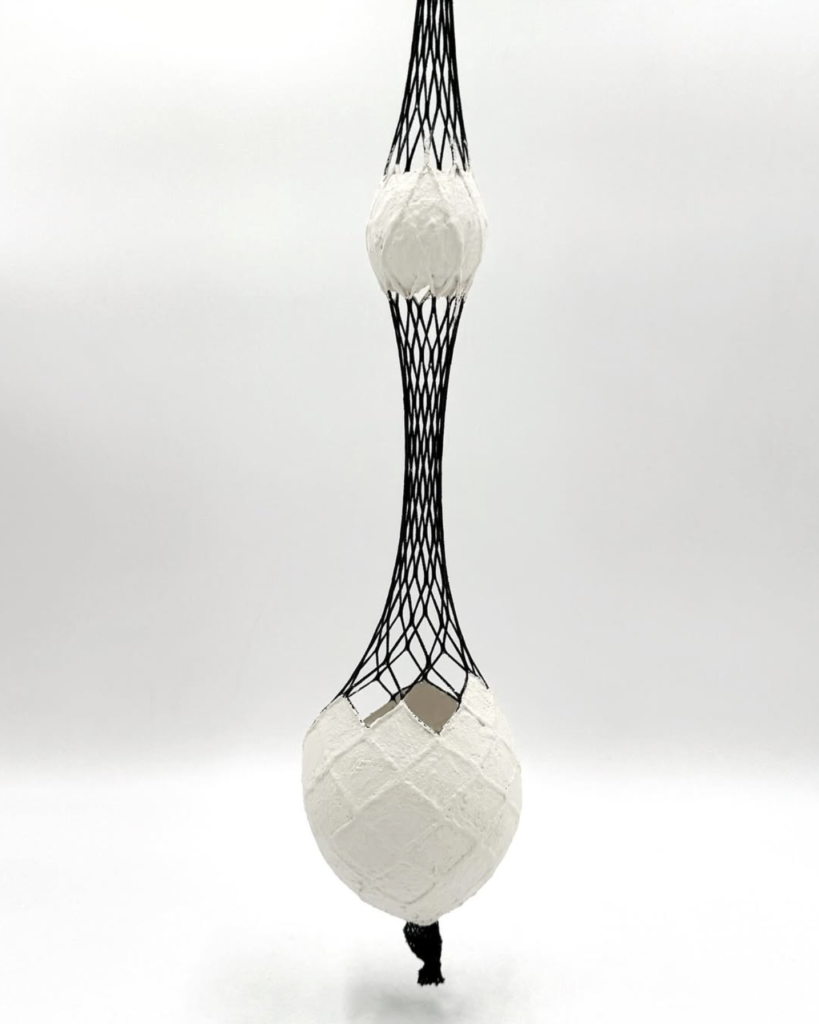
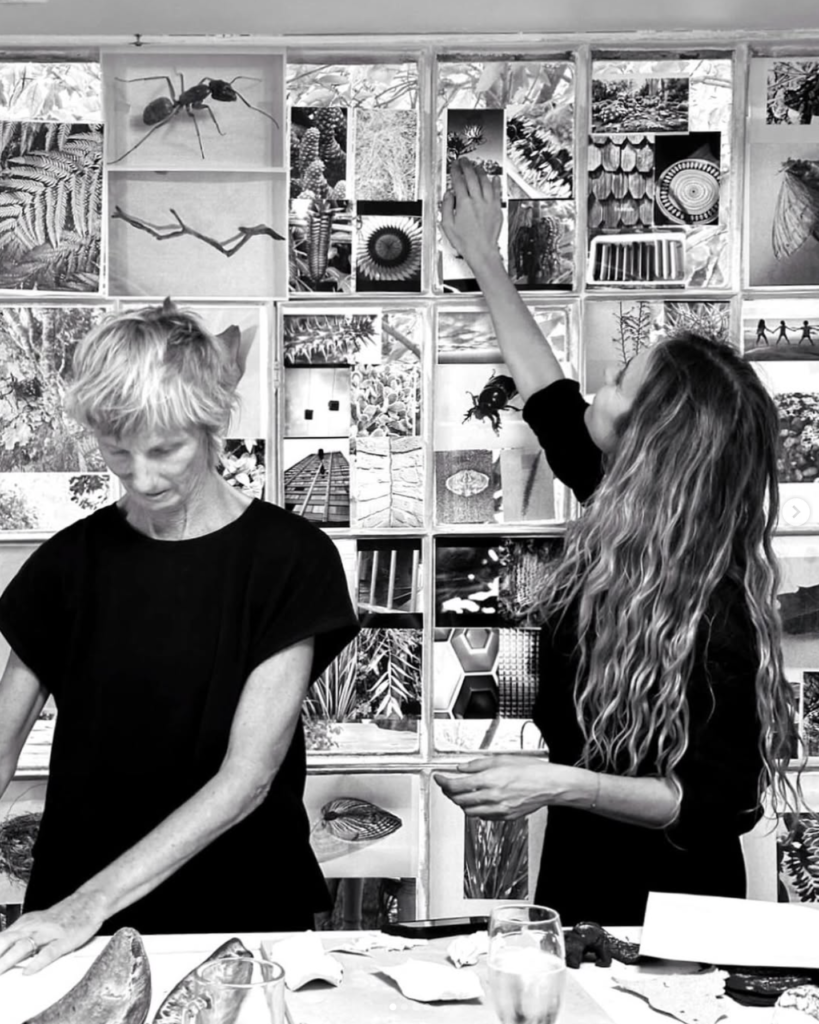
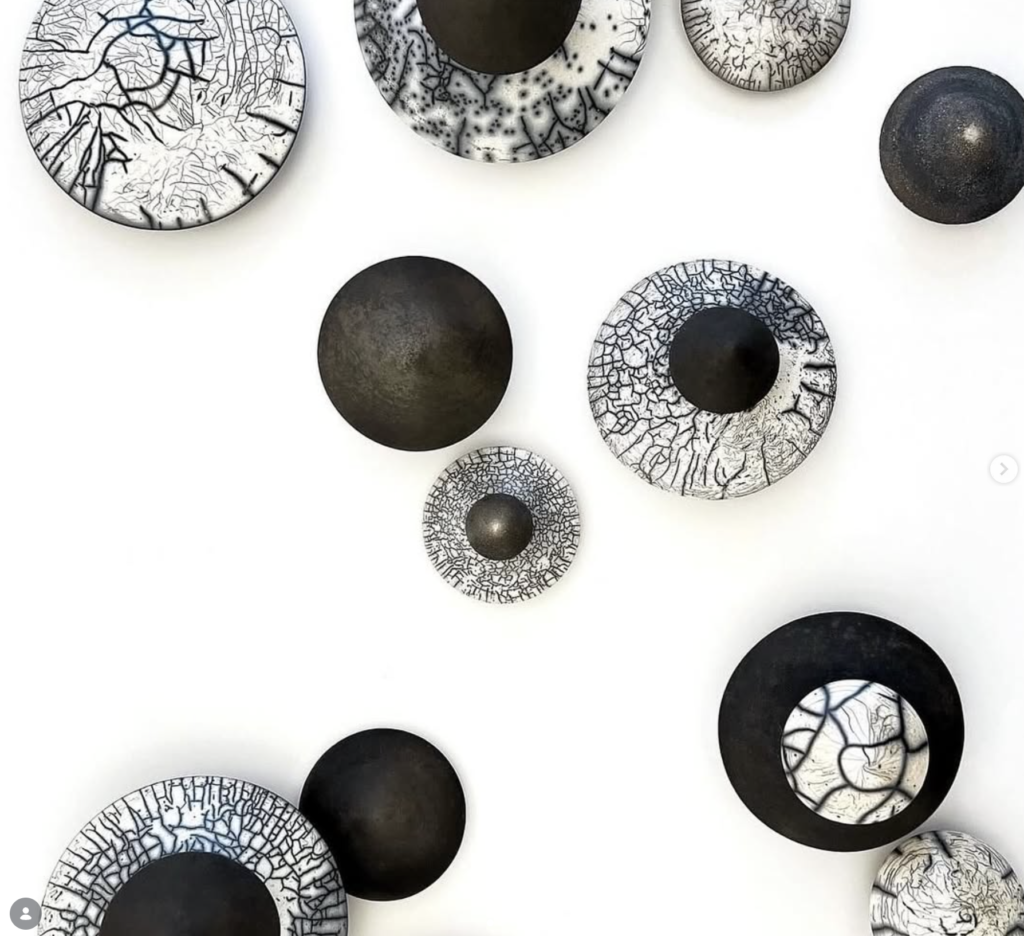
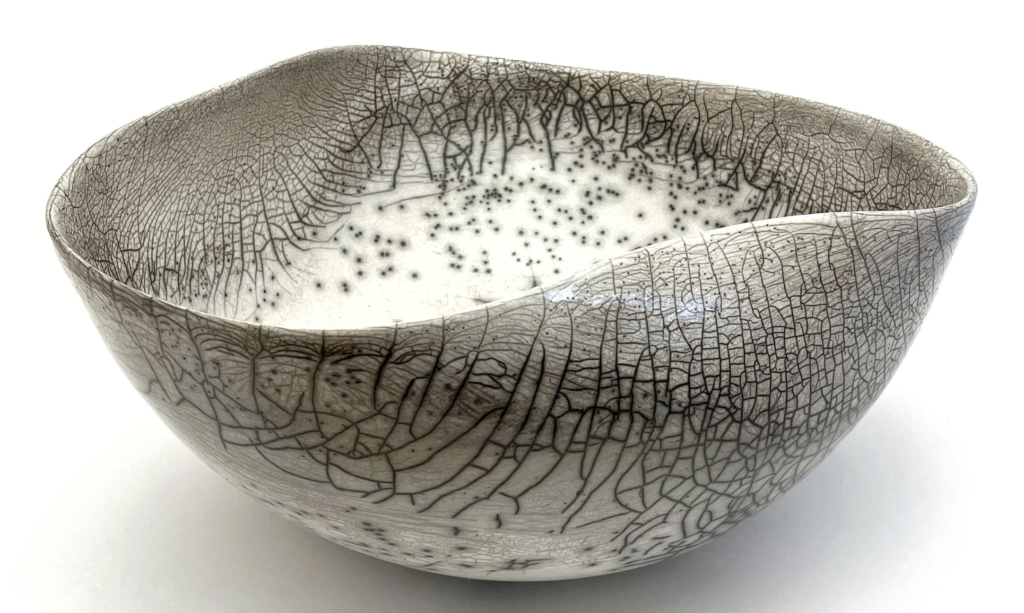
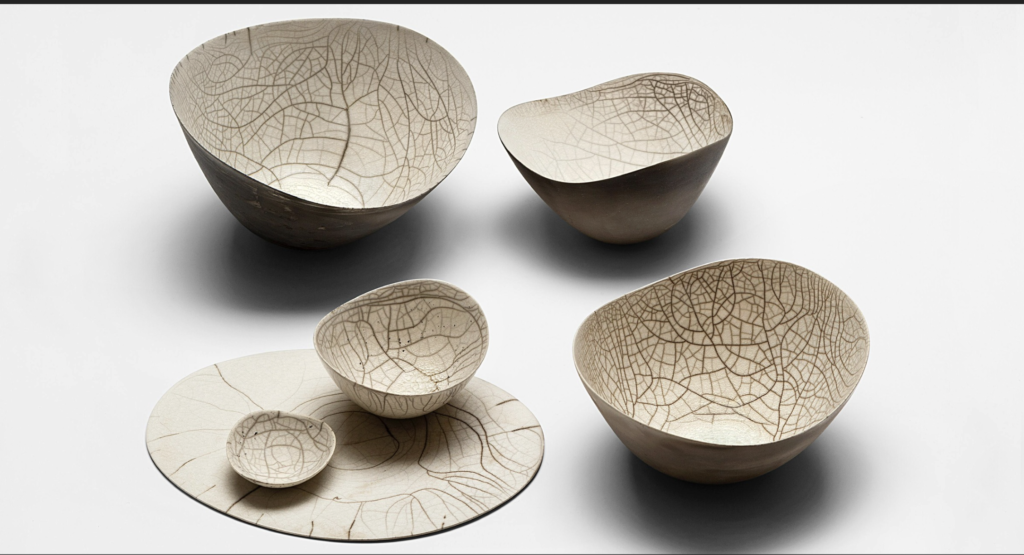
Zarhi brings an international background to that conversation. Her training in the United States and Europe has encompassed handbuilding, wheel throwing, Raku, porcelain and glazing. She has also participated in workshops and exhibitions across several countries, developing her practice through both study and exchange.
Teaching is another part of her work. Founded in 2016, her ceramics school in Santiago extends that experience to students exploring the possibilities of clay. Alongside her studio and educational practice, Zarhi contributed to IKEA’s ÖMSESIDIG collection, a collaboration bringing together creatives from Latin America.
At Design Week México, these strands of her career meet: making, teaching and exchanging ideas across borders. Her participation invites a closer look at ceramics as a living practice, shaped by the landscapes artists carry with them and the people they encounter along the way.