
Through its acquisition of McIntosh Group, Bose did more than expand its audio portfolio. It entered a rarefied corner of the market where speakers are treated like Italian furniture, musical instruments and collectible design — and where Sonus faber has spent more than four decades turning sound into luxury.
When Bose announced its acquisition of McIntosh Group in November 2024, the deal brought two storied high-end audio names — McIntosh and Italy’s Sonus faber — under the Bose corporate umbrella. The transaction, completed with former owner Highlander Partners, was more significant than simply adding additional speaker models to Bose’s catalogue. Financial terms remained confidential, but Bose made its strategic intention clear: expand beyond premium consumer audio and establish a meaningful position in high-performance and luxury sound.
That distinction between premium and luxury matters. Bose has spent more than six decades using research, engineering and technology to solve problems around how people hear sound. Sonus faber approaches the same objective from another direction, combining acoustic engineering with Italian craftsmanship, natural materials, architecture and the traditions of instrument making. The acquisition therefore brings together two companies that fundamentally believe in the emotional power of sound, but have historically expressed that belief very differently.
The Bose Mindset: Research First
Founded in 1964 by MIT professor Dr. Amar G. Bose, Bose built its reputation around experimentation and research. The company’s philosophy has long been less concerned with simply following existing categories than finding technological solutions that change the experience itself — from home loudspeakers and factory-installed automotive systems to noise cancellation, headphones and immersive audio. Bose still describes research and engineering as central to the company, with the larger objective of using sound to transform how people experience the world.
That philosophy also explains why Sonus faber is strategically interesting. Bose already knows how to build technology at scale. It knows headphones, portable audio, software, noise control and, importantly, automotive sound, an area in which it has operated for more than four decades. What it did not previously possess at the same level was a genuine ultra-luxury audio house with the cultural vocabulary of a European design brand. Bose itself now describes a portfolio that includes the Bose, McIntosh and Sonus faber brands across premium and luxury audio.

Sonus faber: The Speaker as a Musical Instrument
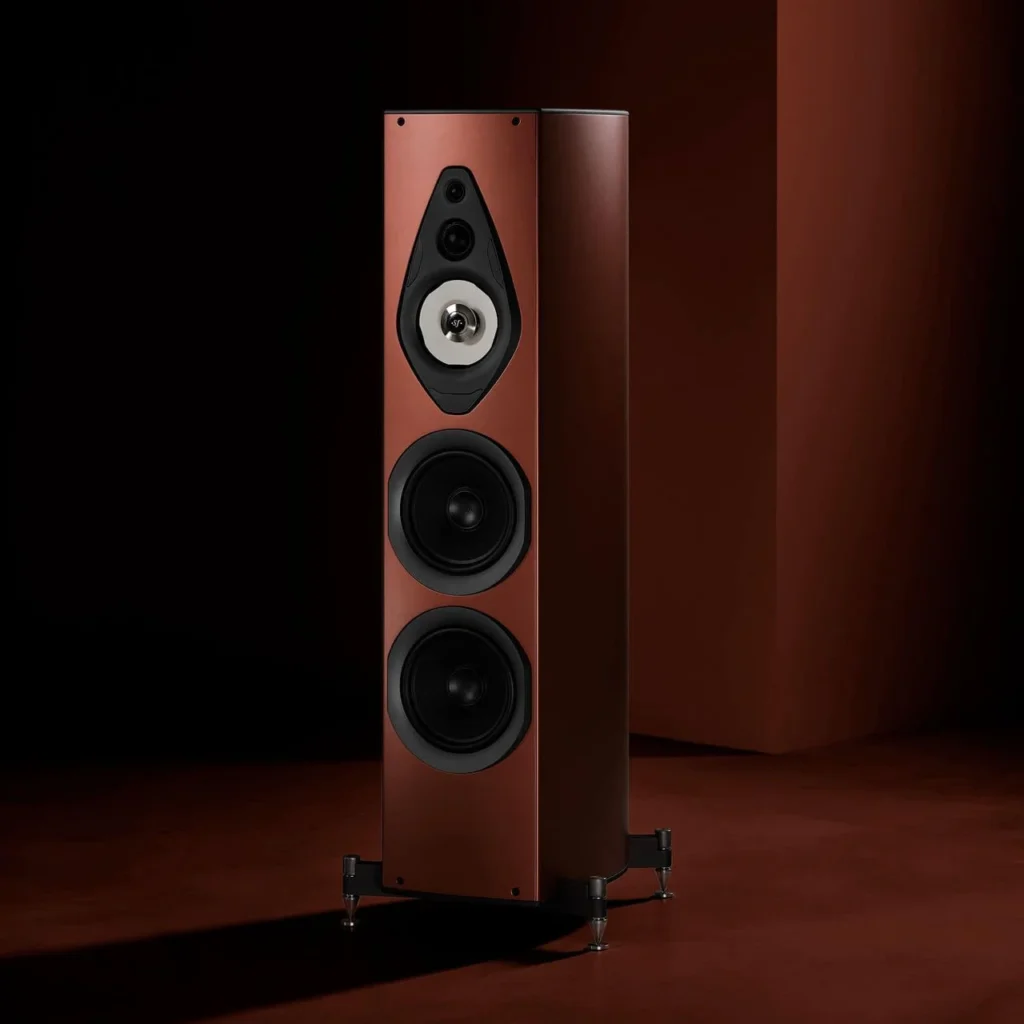
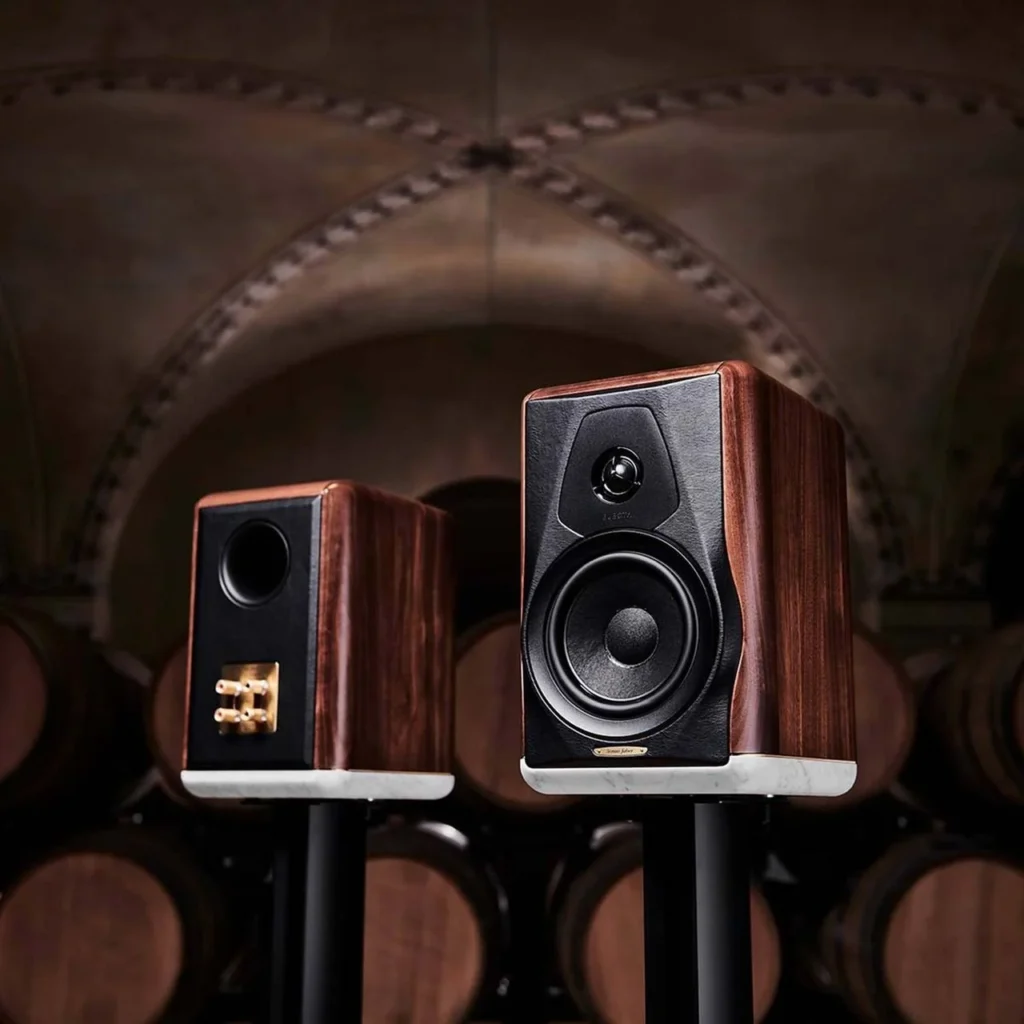
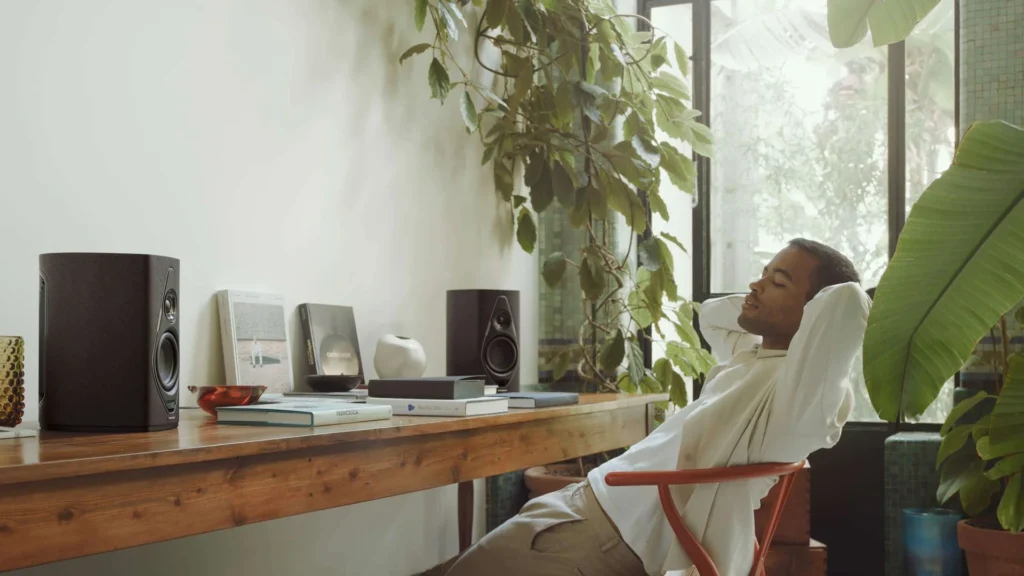
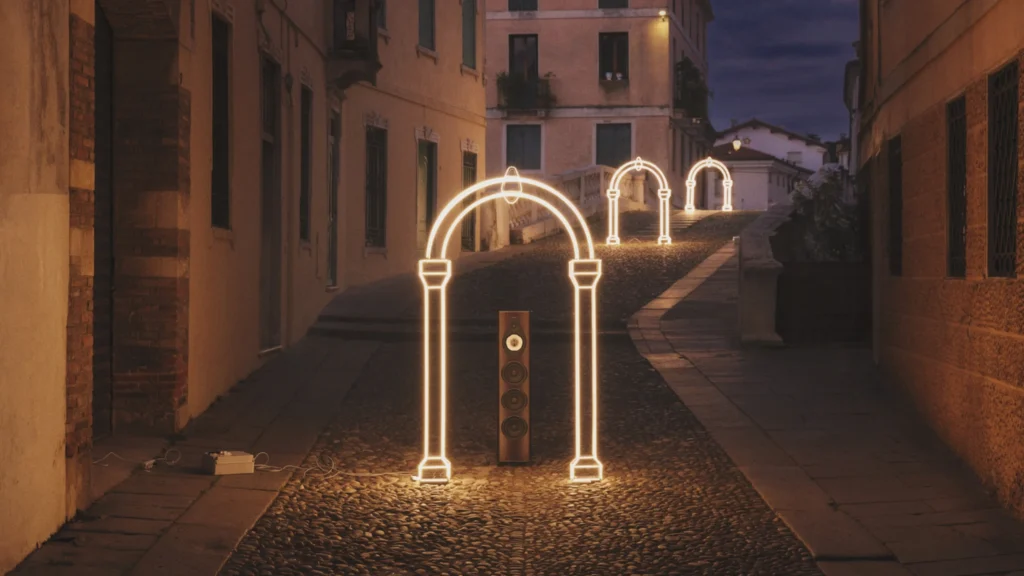
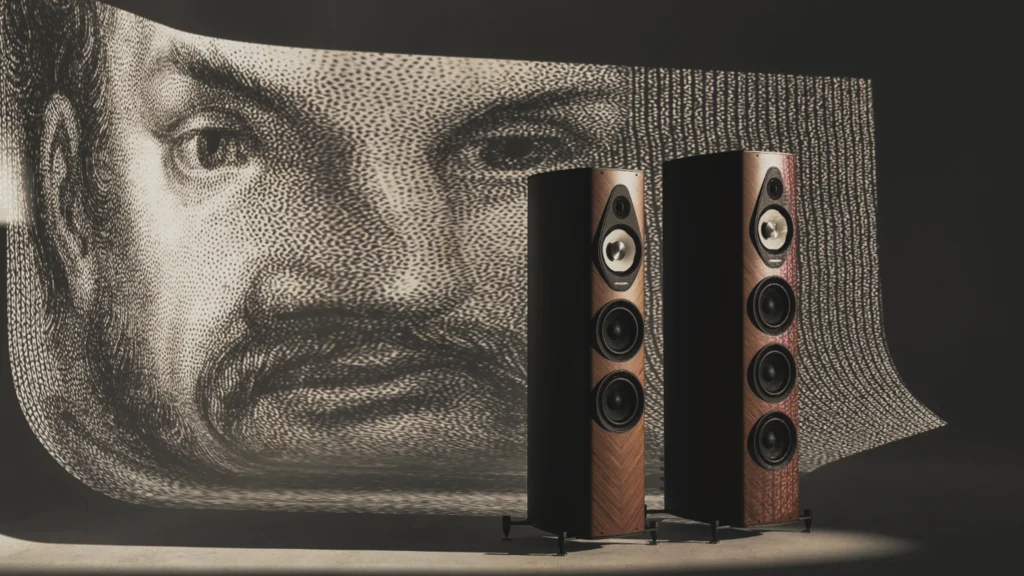
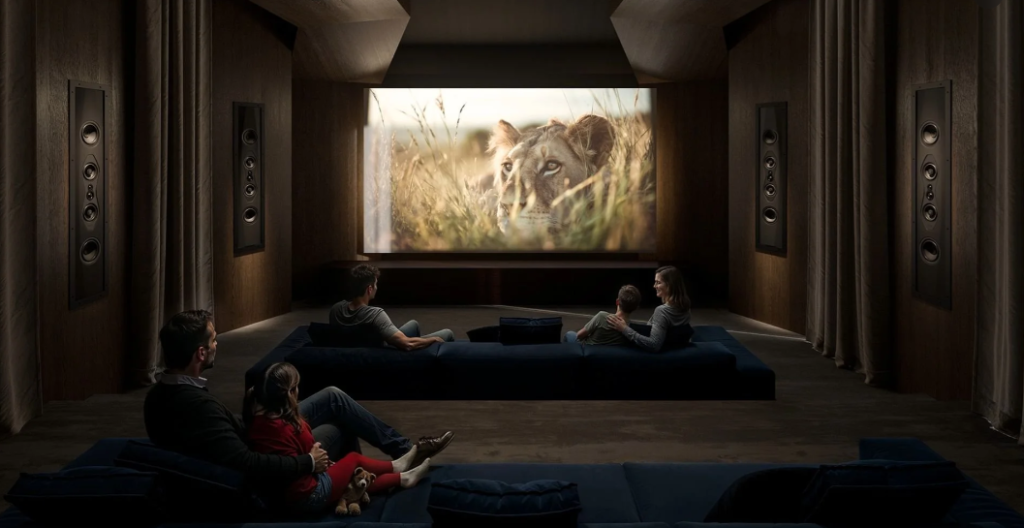
Sonus faber begins with an entirely different visual language. Established in Vicenza, Italy, in 1983, the company developed around the idea that a loudspeaker should not merely reproduce music accurately; its physical presence should possess the refinement and emotional character of the music it plays. Early products were constructed from solid walnut and leather, while later designs borrowed heavily from the traditions of Italian luthiers and the shapes of handcrafted string instruments.
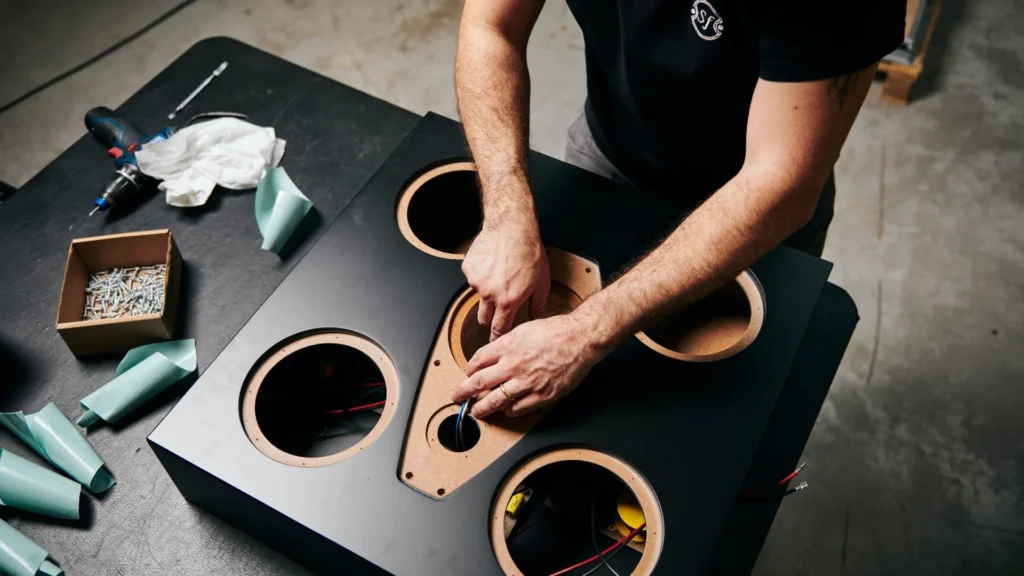
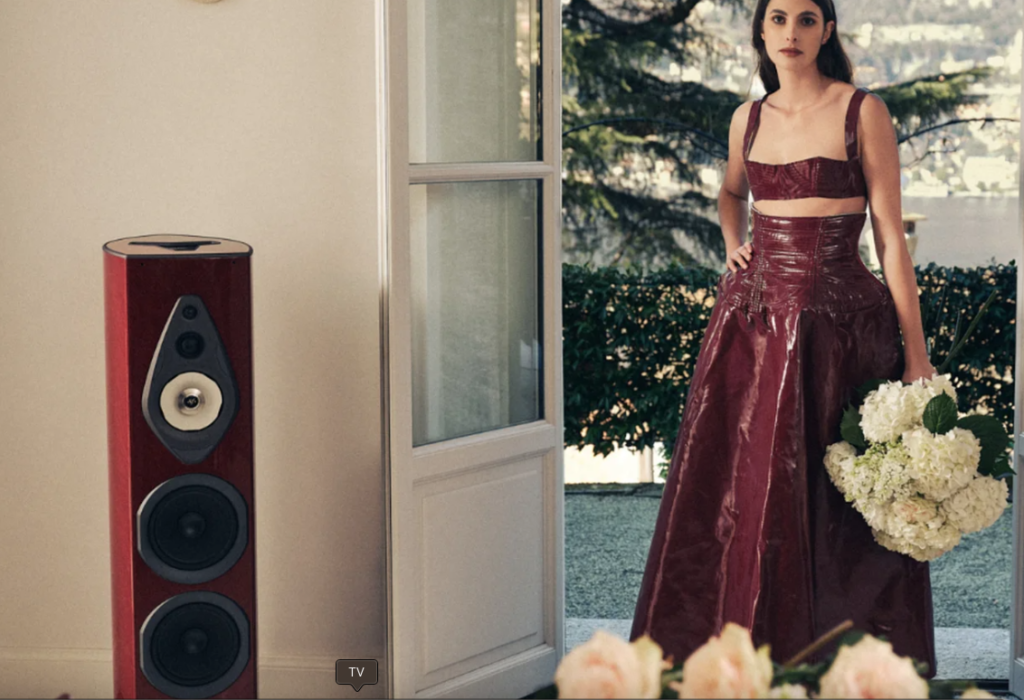
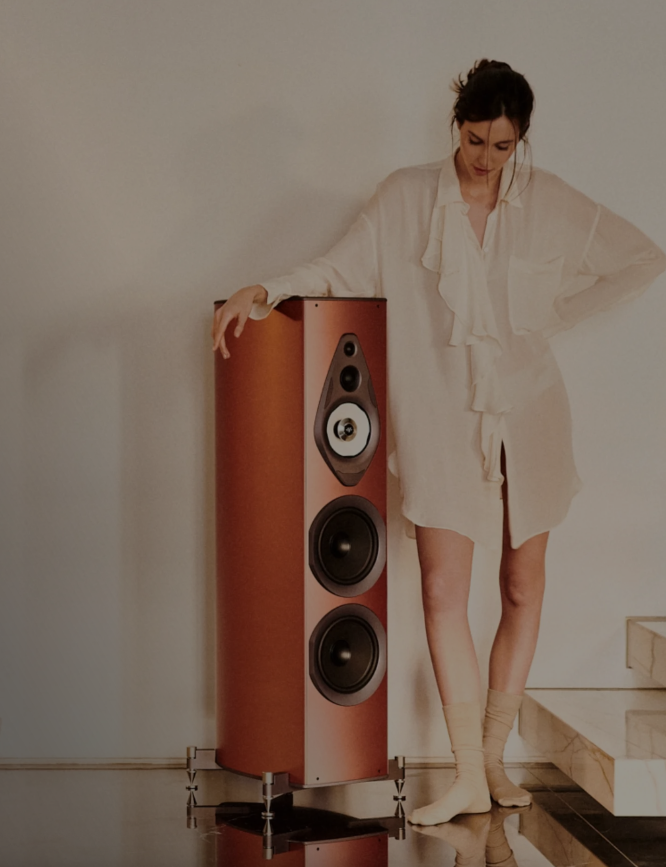
Its now-signature lute-shaped cabinets are not accidental styling. Sonus faber says its design philosophy was influenced by celebrated Italian instrument makers including Andrea Amati, Antonio Stradivari and Giuseppe Guarneri. Wood, leather, silk, paper, stone, aluminum and carbon fiber are used not simply as decoration but as elements within the acoustic and sensory experience. Individual pieces are hand-finished, with Sonus faber emphasizing both the final tuning by ear and what it calls the “Human Touch” behind its Natural Sound philosophy.
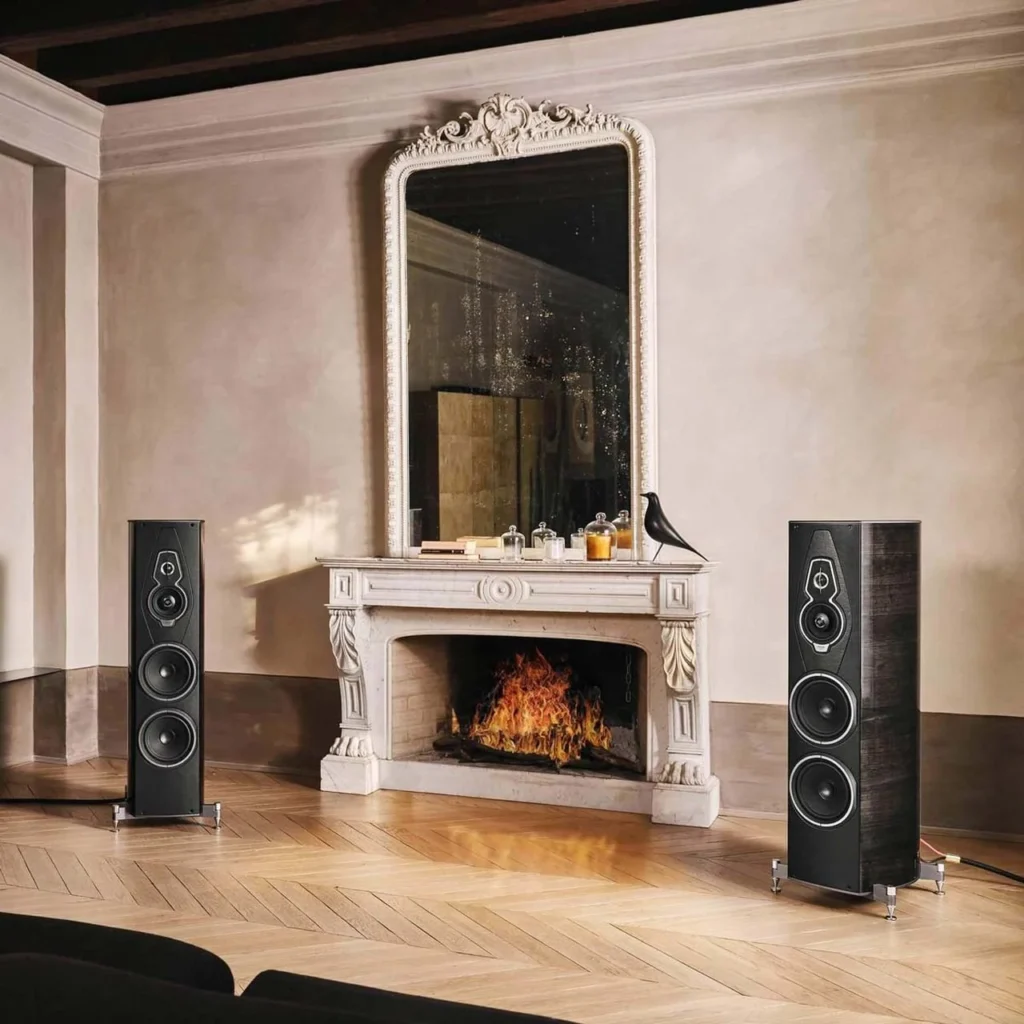
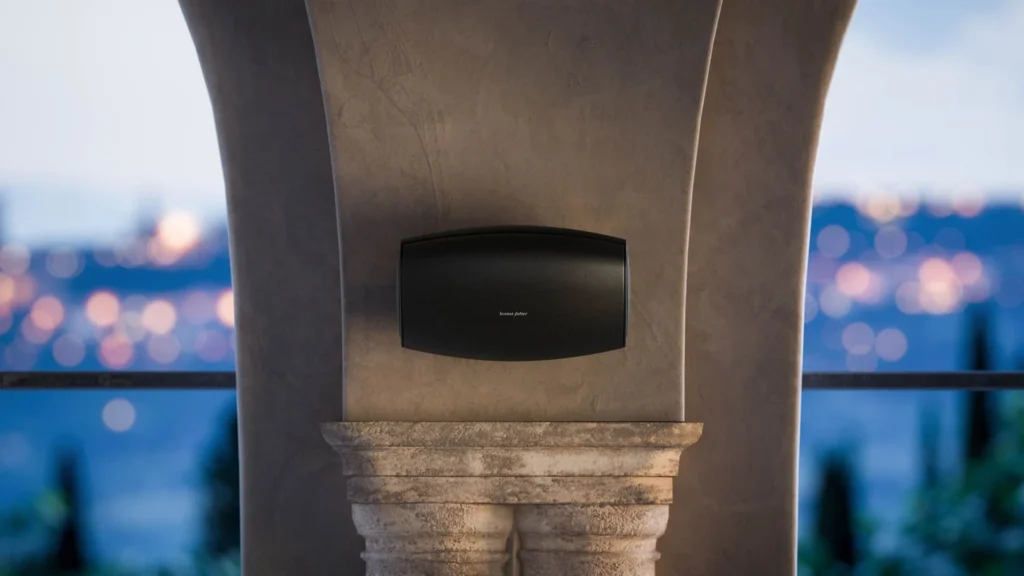
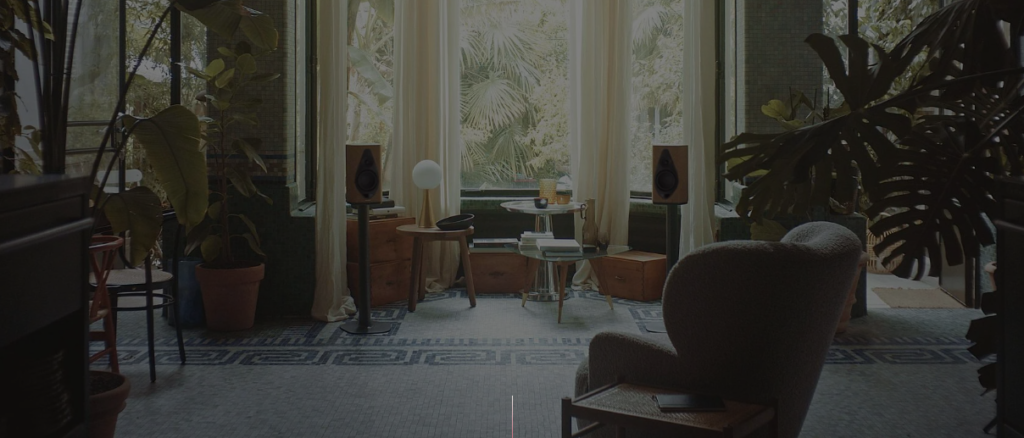
This is where Sonus faber crosses the line from expensive electronics into luxury. A luxury object must communicate value before it is switched on. A Sonus faber loudspeaker can sit in a room like a piece of architecture or furniture, with its curves, leatherwork and highly finished wood becoming part of the interior itself. The performance remains the fundamental purpose, but ownership extends into tactility, provenance, craftsmanship and aesthetics.
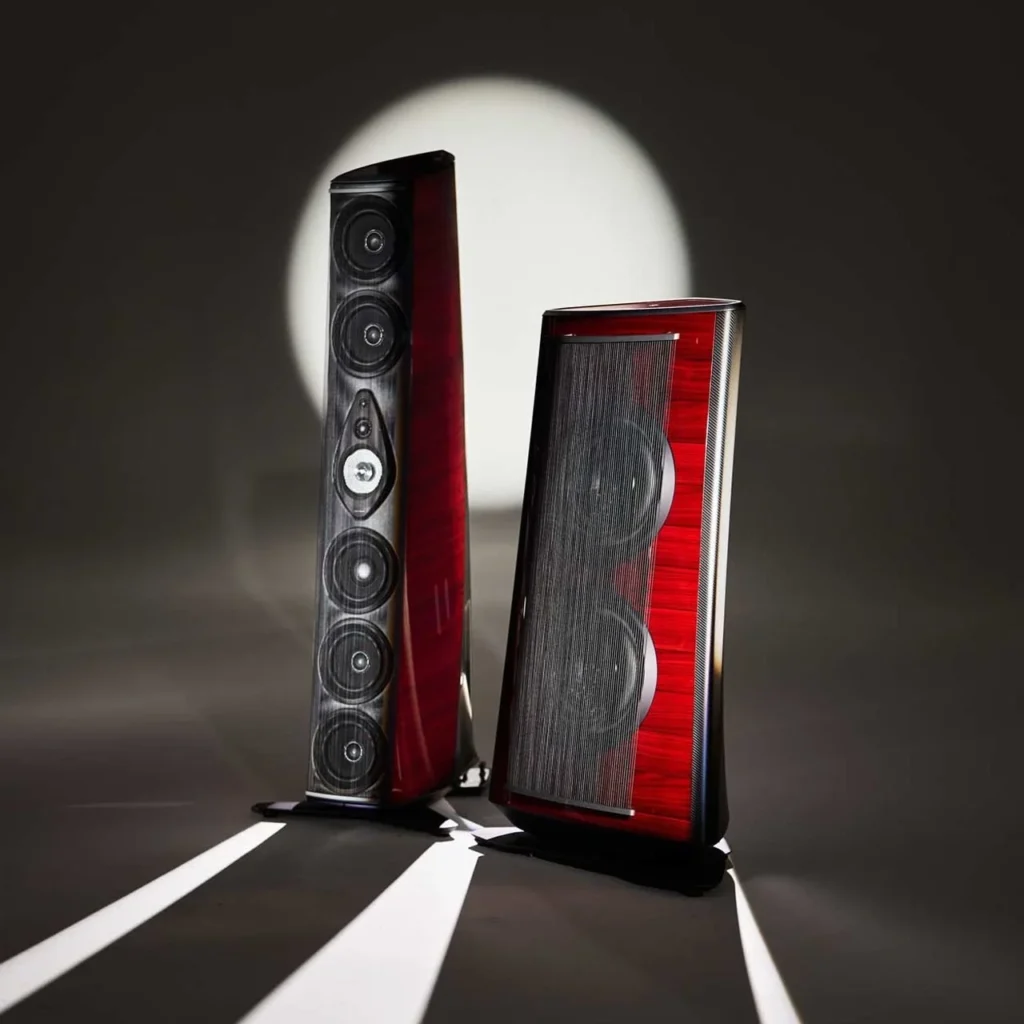
The pricing makes that positioning unmistakable. Sonus faber currently lists products ranging from relatively attainable high-end models such as the Lumina collection through the $20,000-per-pair Guarneri G5, $60,000 Stradivari G2, $78,000 Amati Supreme and $160,000-per-pair Aida. Beyond the regular catalogue sits Suprema, the company’s extraordinary four-column flagship system, introduced to celebrate its 40th anniversary and launched at approximately $750,000 in its full configuration.
Suprema makes the company’s definition of luxury particularly clear. Its construction combines wood, carbon fiber, CNC-machined aluminum and Italian leather from Poltrona Frau, while customers can personalize materials and finishes. Sonus faber describes it as its most ambitious project to date, consisting of two main speaker columns, dedicated subwoofers and an external analog crossover system. At this level, the product is no longer competing with conventional consumer electronics. It is competing for the same discretionary spending — and often the same rooms — as collectible furniture, art, watches and exotic automobiles.
Why Bose Wanted Into This World
For Bose, owning Sonus faber creates something difficult to manufacture internally: luxury credibility rooted in history. Luxury consumers generally do not respond to a company simply deciding that its next product will be luxurious. Heritage has to be cultivated, and Sonus faber already possesses more than four decades of recognizable design language, Italian manufacturing, artisanal production and audiophile credibility.
Bose has said the intention is not to turn Sonus faber into another Bose product line. When the acquisition was announced, the company specifically stated that Bose would continue concentrating on areas including headphones, soundbars, consumer speakers and automotive audio, while McIntosh and Sonus faber would maintain their focus on high-end components and loudspeakers. Bose CEO Lila Snyder said the company intended to honor the heritage of the acquired brands while investing in their futures.
That separation is strategically important. The fastest way for Bose to destroy the value it purchased would be to over-standardize Sonus faber, dramatically increase production or strip away the labor-intensive qualities that make its products desirable. In luxury, efficiency can sometimes become the enemy of desirability. The value of Sonus faber lies precisely in the elements that conventional mass-market manufacturing might consider inefficient: time, hand-finishing, specialized materials, personalization and human involvement.
The Automotive Opportunity
The connection becomes even more logical when automobiles enter the equation. Bose has been involved in automotive audio since the early 1980s and has decades of experience engineering complete systems around the acoustics of individual vehicles. Sonus faber already occupies another end of that marketplace through collaborations with some of Italy’s most prestigious names, including Maserati and Lamborghini, while its earlier partnership with Pagani helped establish its credibility in exotic-car audio.
Sonus faber’s relationship with Lamborghini illustrates how far the brand has moved beyond the traditional listening room. It is now the official sound partner for models including the Lamborghini Revuelto and Temerario, applying its Natural Sound philosophy inside vehicles where weight, packaging, materials and acoustics present completely different engineering challenges. The company has similarly developed systems with Maserati and worked with Wally Yachts to bring high-fidelity audio into the marine luxury market.
The post-acquisition direction also suggests Bose understands that Sonus faber’s luxury identity must be expanded rather than flattened. At Lamborghini Arena Imola in 2026, Sonus faber presented a personalization program for its Il Cremonese Ex3me Automobili Lamborghini Edition offering dozens of side-panel color possibilities, different upholstery treatments and customizable metal finishes. It is the language of bespoke luxury familiar from exotic automobiles, fashion and fine interiors — now applied to loudspeakers.
Two Philosophies, One Opportunity
Bose and Sonus faber ultimately meet at the same destination from opposite directions. Bose begins with research and asks how technology can create a better listening experience. Sonus faber begins with music, materials and human craft and asks how the listening experience can become more emotional, beautiful and physical.
The opportunity is therefore not for one culture to replace the other. It is for Bose’s research, software expertise, automotive knowledge and resources to strengthen the infrastructure behind Sonus faber while allowing the Italian company to retain the character that made it worth acquiring in the first place.
For consumers, the result could eventually stretch from sophisticated personal audio to extraordinary private listening rooms, automobiles and fully bespoke installations. For Bose, the acquisition creates a path into a category where technical specifications alone are not enough. In true luxury, the story of the object matters almost as much as what the object can do.