
A historic village in Chianti has become one of Italy’s most complete expressions of wine-driven luxury, pairing centuries of history with vineyards, Michelin-starred cuisine and a spa built inside an old olive mill.
Luxury in Tuscany has always been as much about place as it is about polish. At Borgo San Felice, that distinction becomes especially clear. Set among the vineyards and olive groves of Chianti Classico near Siena, the resort occupies a historic Tuscan hamlet where winding lanes, stone buildings and old agricultural structures have been reimagined for contemporary hospitality without stripping away the identity that made the village special in the first place.
That sense of place helped earn Borgo San Felice the title of Best Wine Resort at Travel + Leisure Italia’s inaugural Italy’s Best Awards. Announced during the awards ceremony in Rome in November 2025, the recognition placed the property among a wider collection of celebrated Italian hotels while singling it out specifically for the relationship between hospitality and wine.
The history here runs far deeper than the hotel itself. Travel + Leisure reports that written records of San Felice date to 714, with the area’s story extending further back to the Etruscans. For centuries, agriculture shaped life around the village, and that relationship with the land continues to define the property today. Rather than creating a resort and adding wine as an attraction, Borgo San Felice grew out of an existing wine culture.
The broader San Felice wine operation now reaches across three of Tuscany’s most important wine territories: San Felice in Chianti Classico, Campogiovanni in Montalcino and Bell’Aja in Bolgheri. Its portfolio includes Chianti Classico, Brunello di Montalcino and Bolgheri wines, connecting guests at the resort to a much larger story about Tuscan terroir and winemaking.
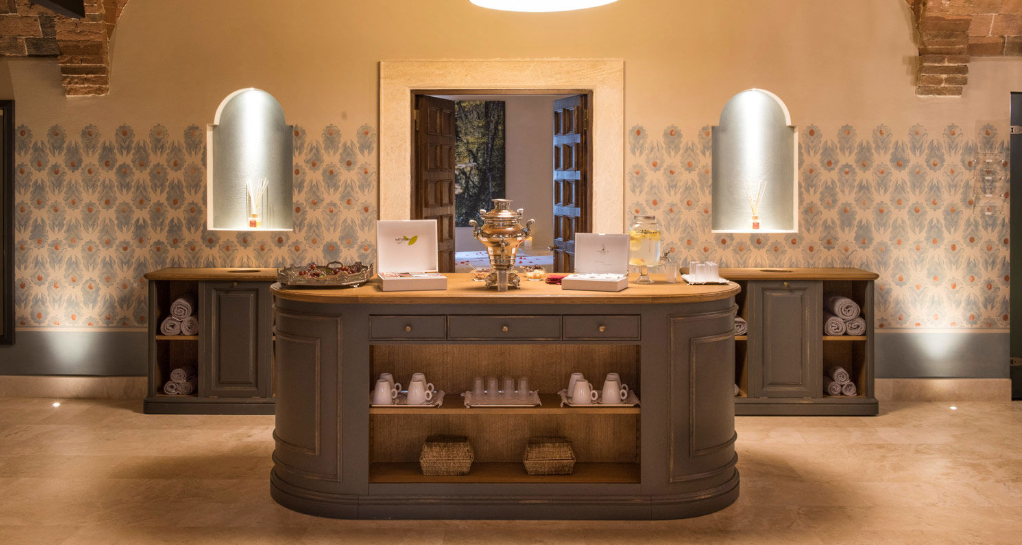
At the resort, wine moves beyond the cellar. Tastings and guided visits naturally form part of the experience, but The Botanic Spa takes the relationship in another direction. Located inside the village’s former olive press, the spa retains historic architectural details while offering modern wellness facilities and vinotherapy treatments. Treatments use ingredients including grape seeds and red-vine extracts, turning one of the region’s defining agricultural products into part of the wellness program.
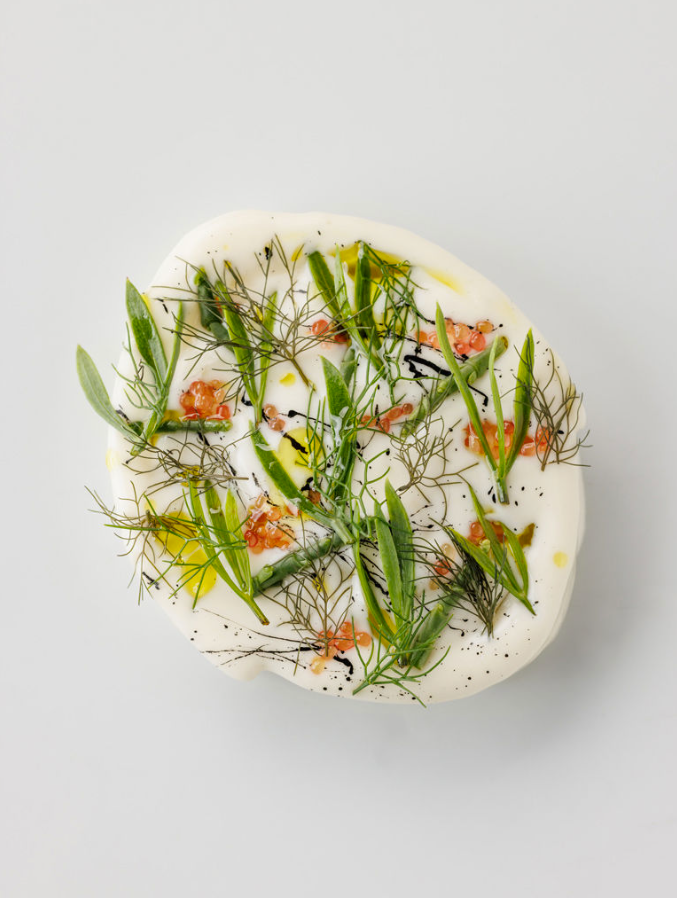
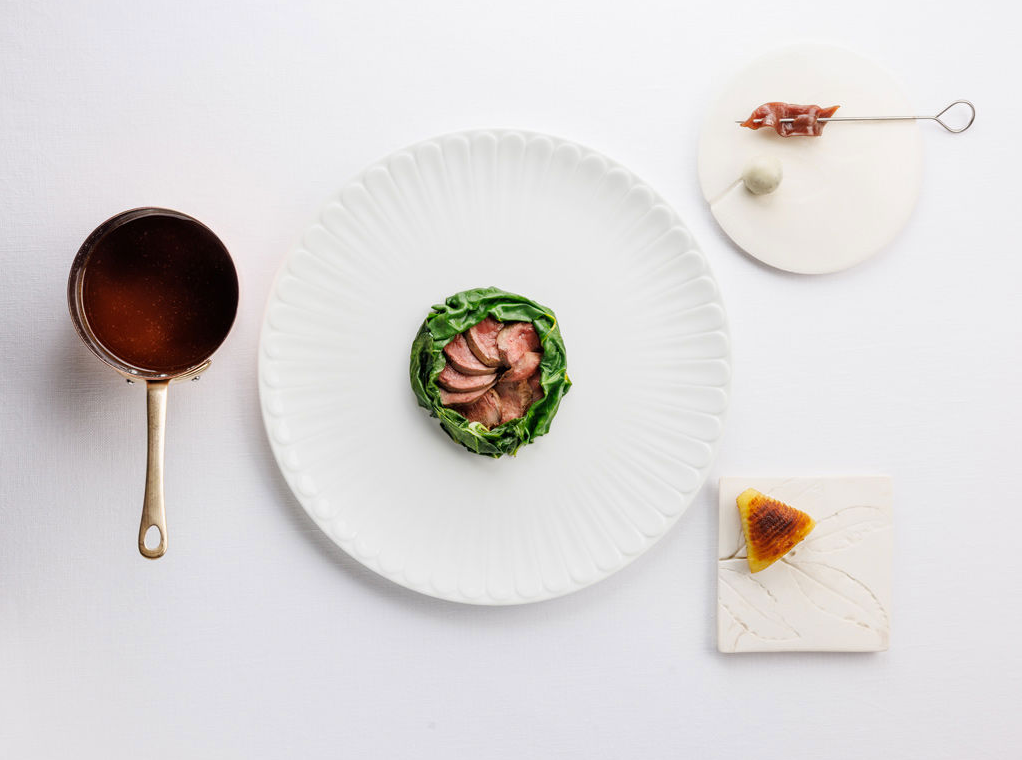
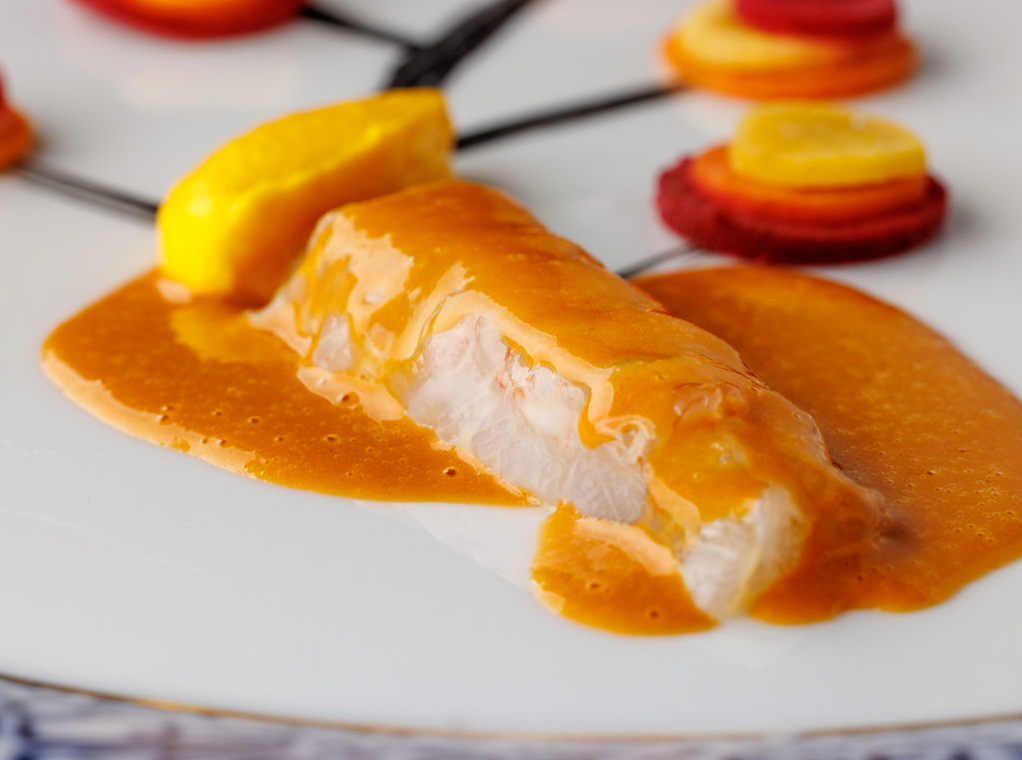
Food receives the same attention. Borgo San Felice is home to Poggio Rosso, currently recognized by the Michelin Guide with one star, alongside the more relaxed Osteria Il Grigio. At Poggio Rosso, chef Stelios Sakalis combines Tuscan ingredients and traditions with a contemporary Mediterranean perspective. The Michelin Guide also highlights the restaurant’s connection to Orto Felice, the estate’s social agriculture project, which supplies produce while involving young people with disabilities and older members of the surrounding community.
There is plenty beyond wine and dining. Guests can swim, cycle or e-bike through the countryside, play tennis, explore nearby Tuscan towns or simply allow the landscape to dictate the pace of the day. Borgo San Felice also offers cooking experiences, while Travel + Leisure notes more elaborate excursions including hot-air balloon rides and drives through the Tuscan countryside.
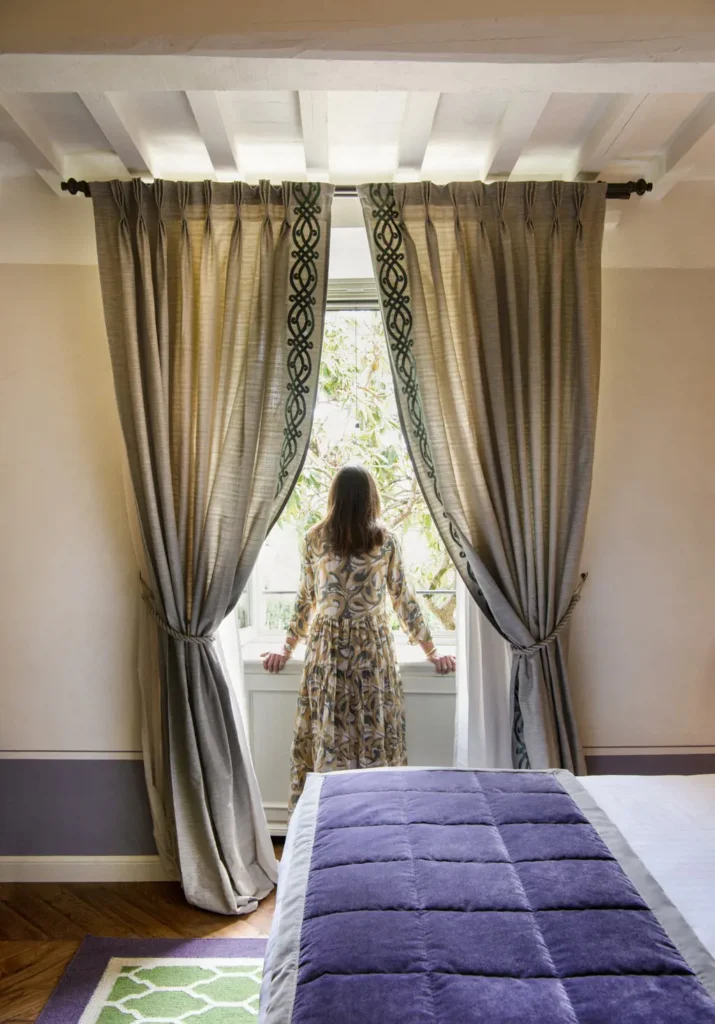
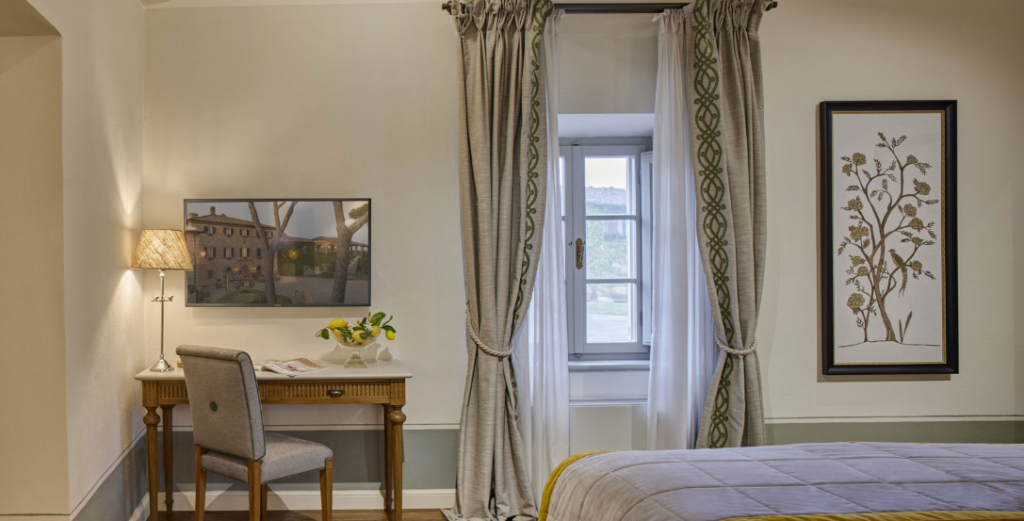
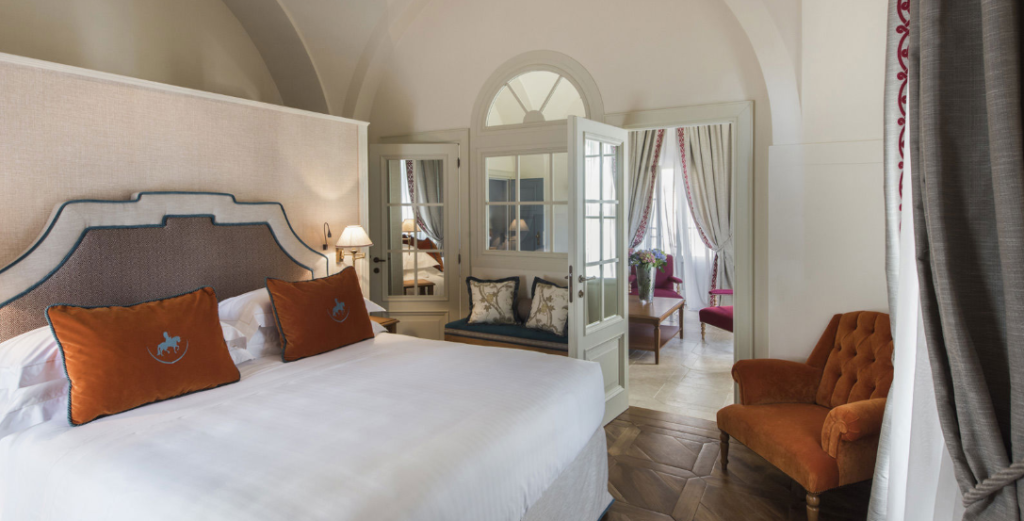
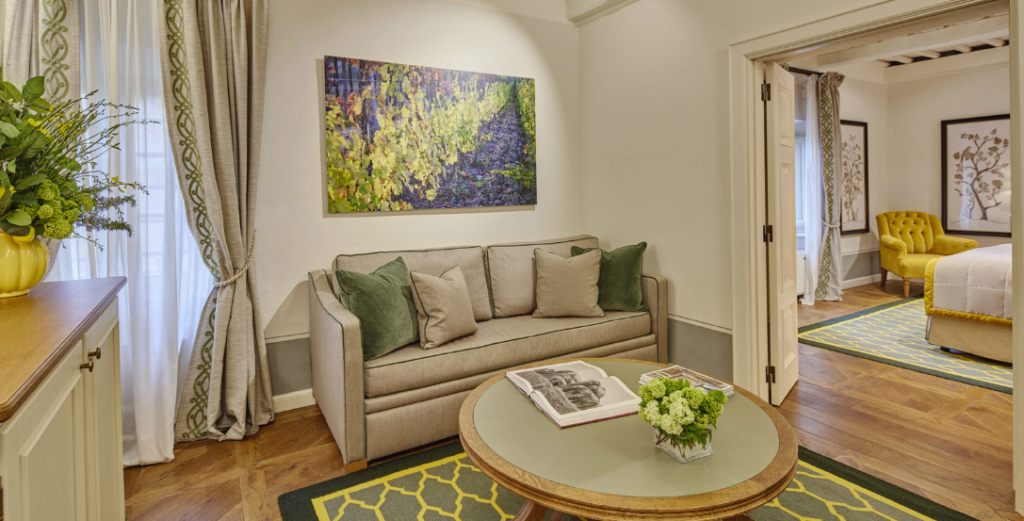
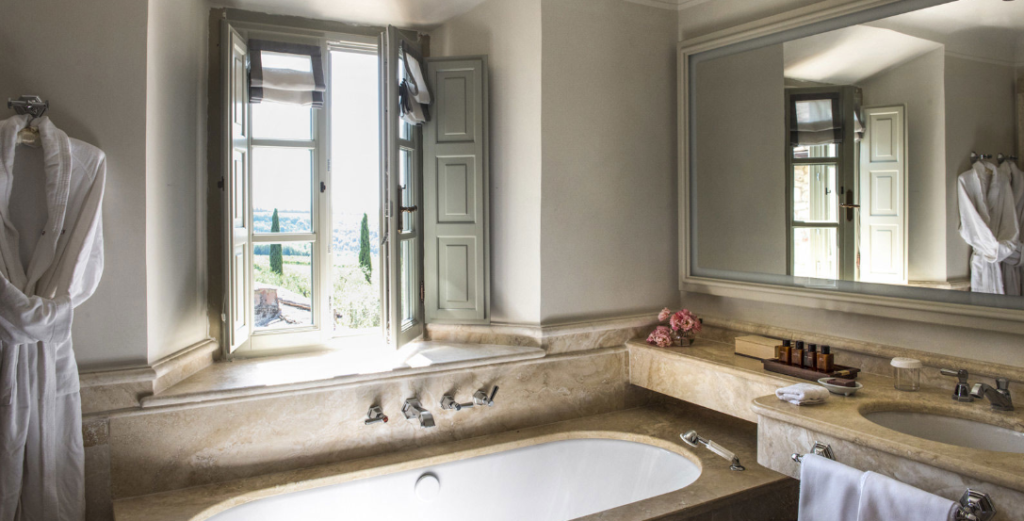
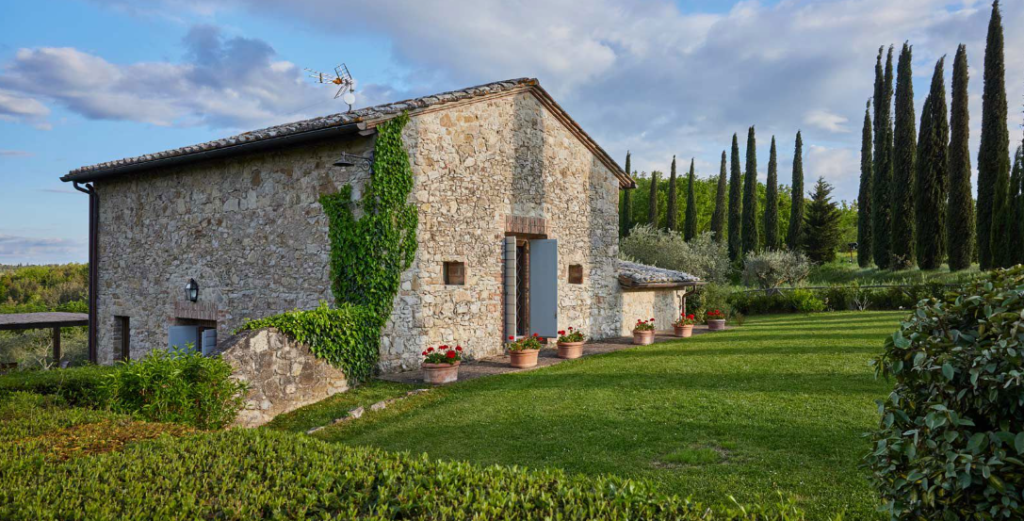
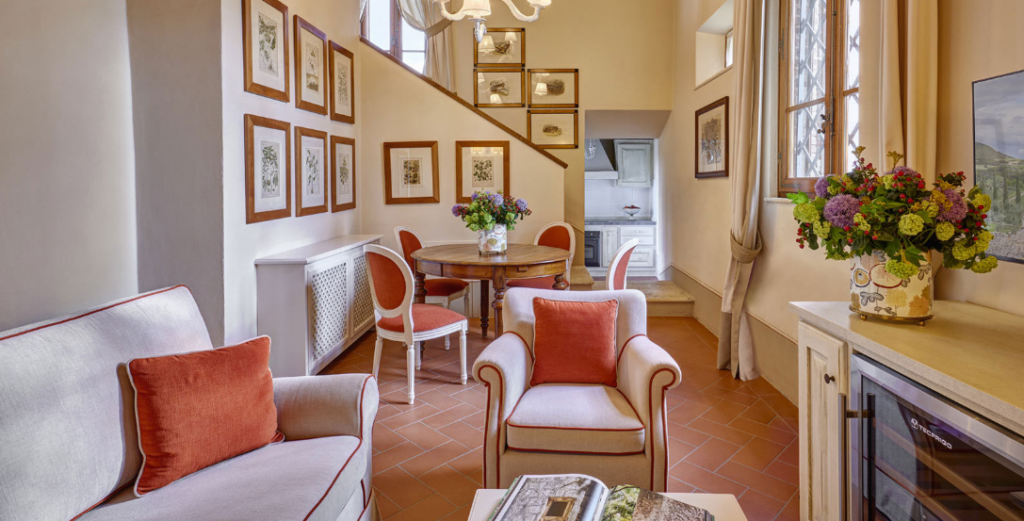
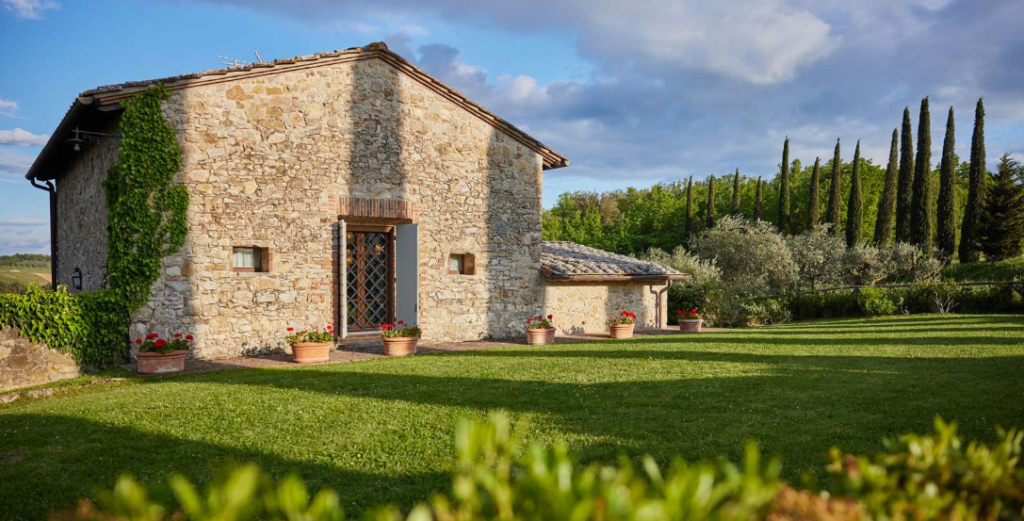
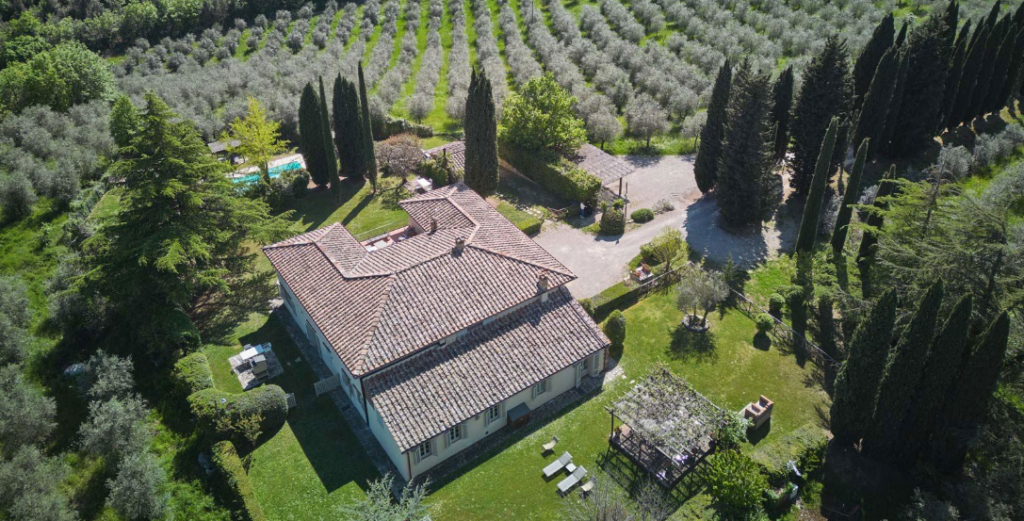
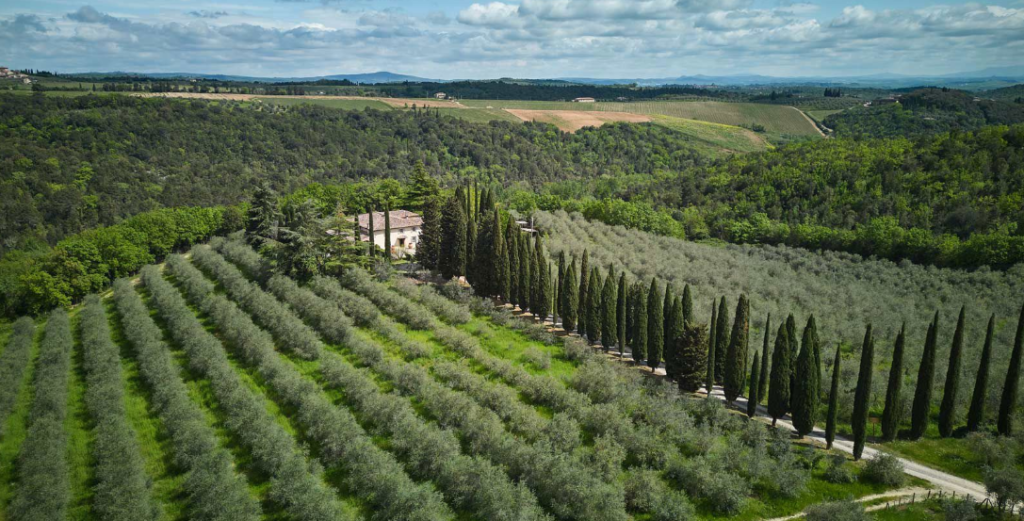
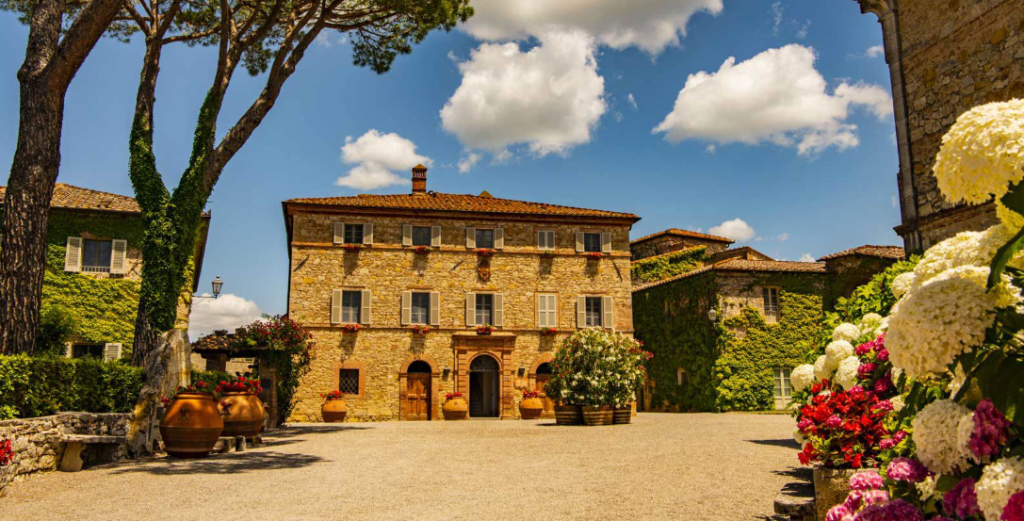
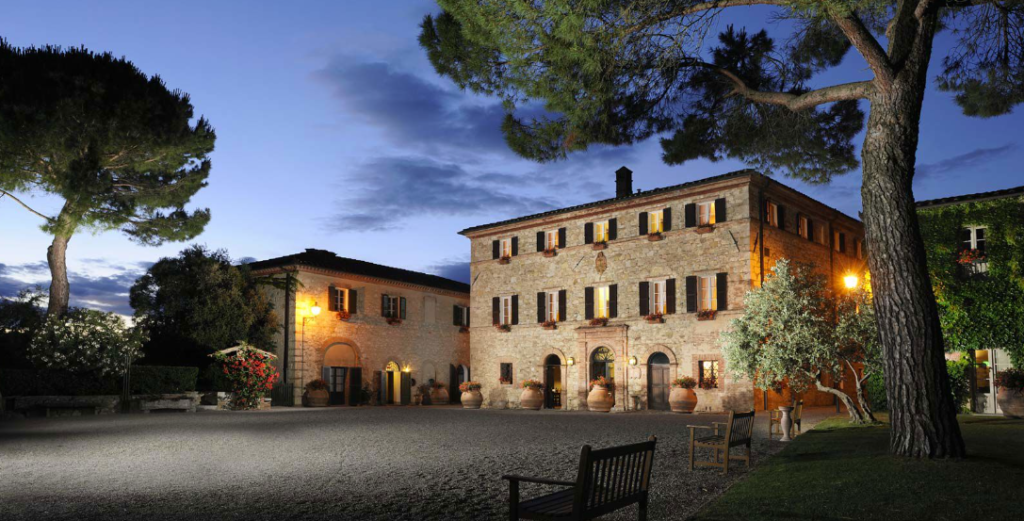
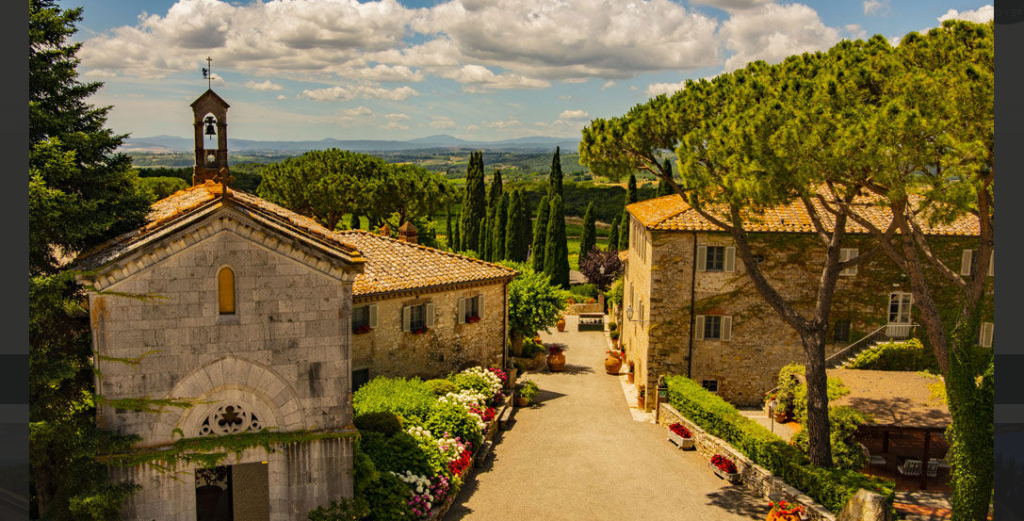
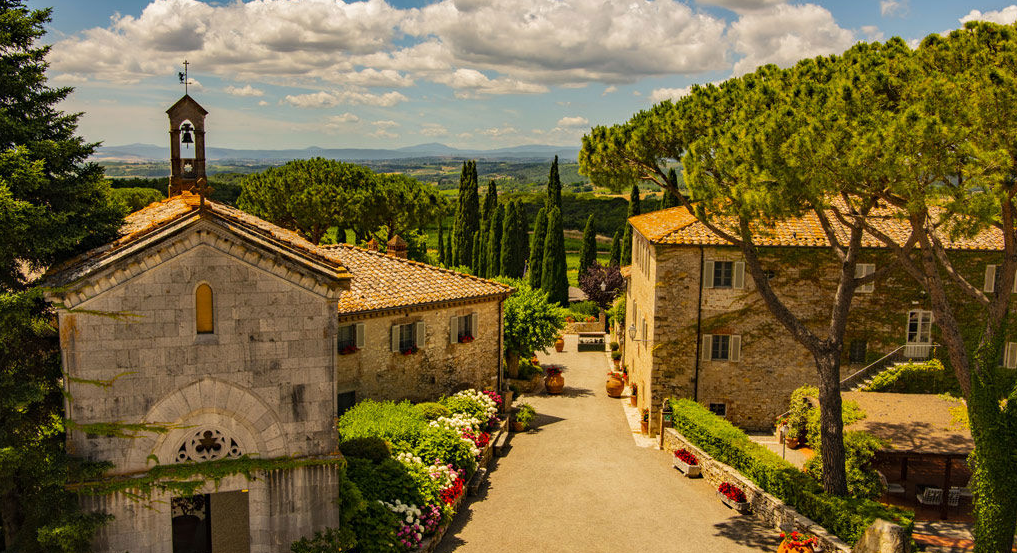
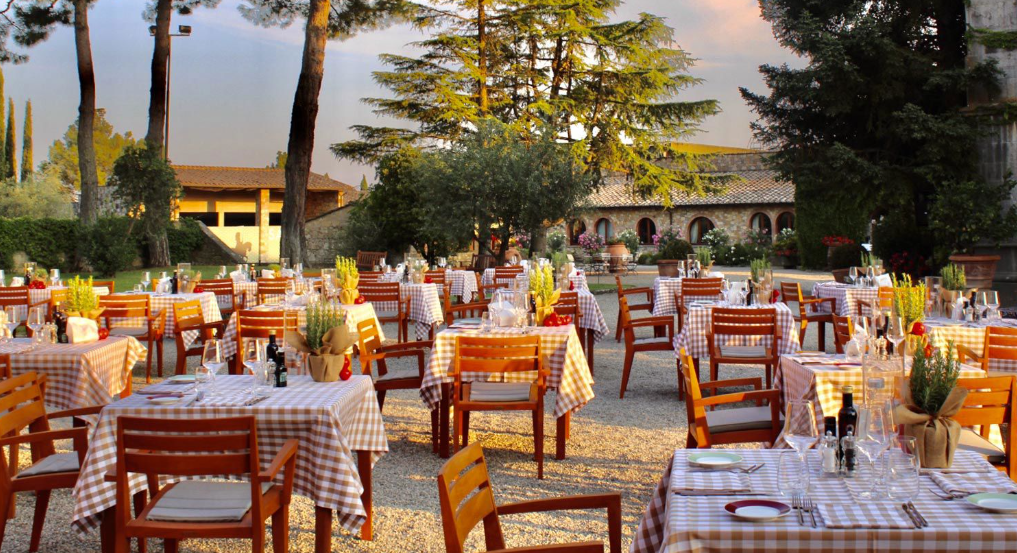
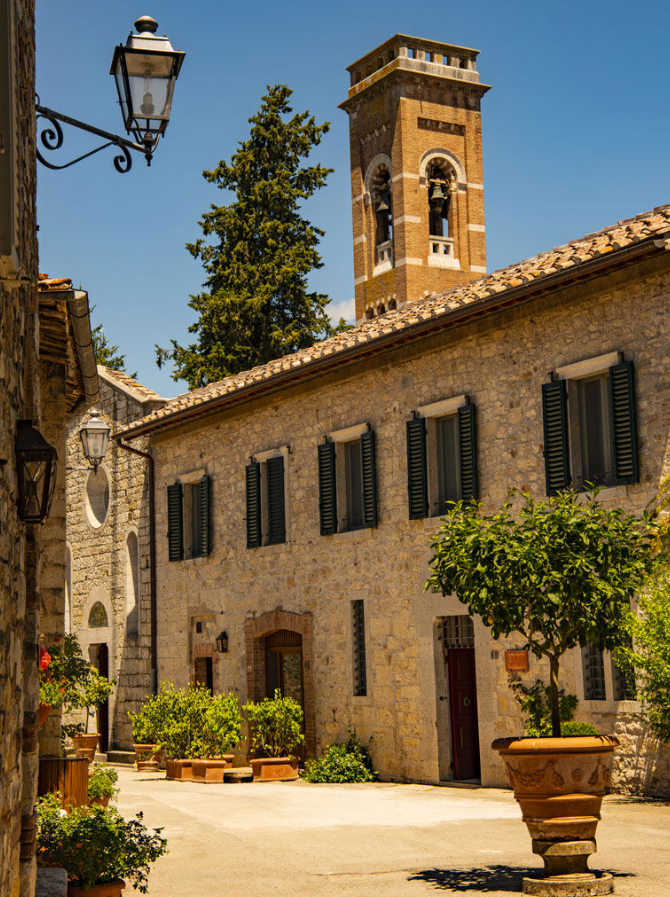
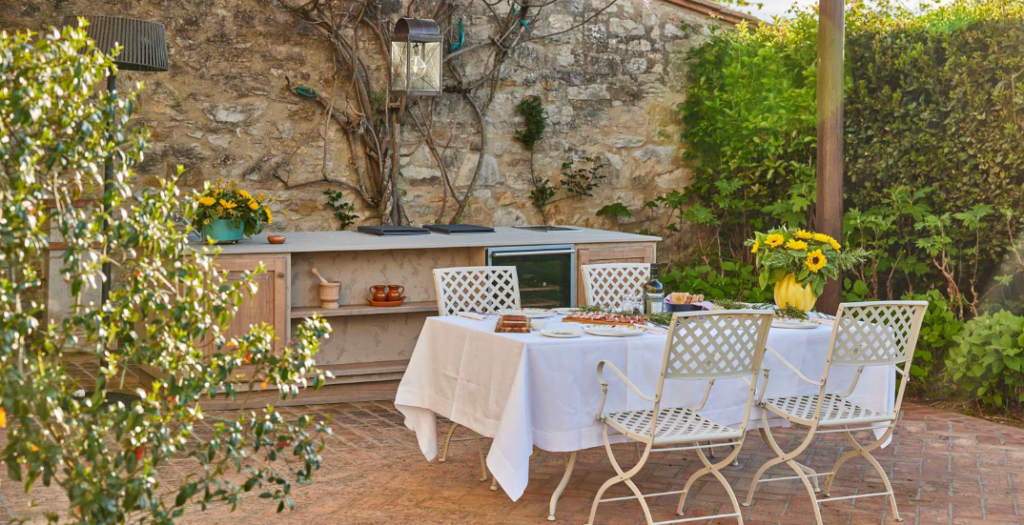
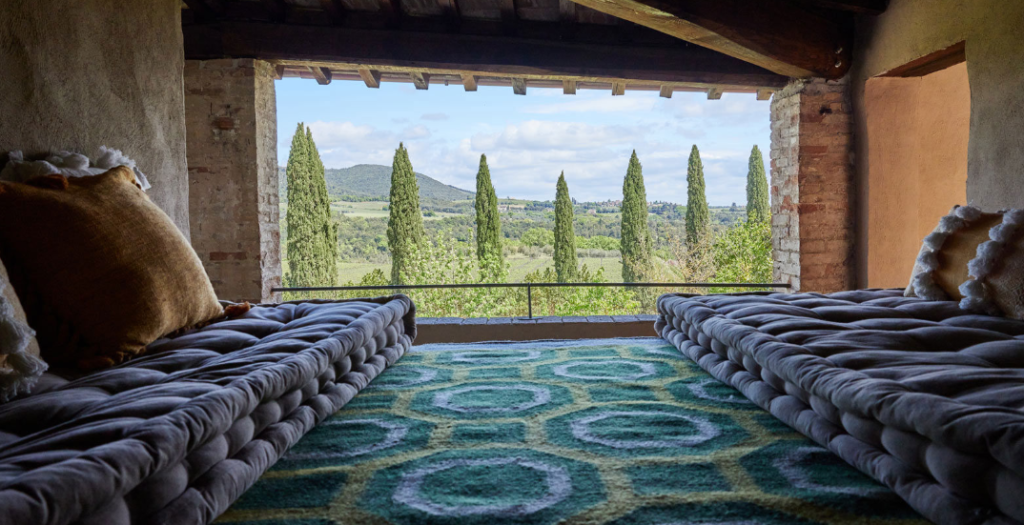

The accommodations continue that philosophy. Rooms, suites and villas are distributed through the historic borgo rather than concentrated inside a conventional hotel tower. Views look toward vineyards, courtyards and the surrounding countryside, while interiors balance traditional Tuscan character with the expectations of a modern five-star stay.
What makes Borgo San Felice compelling is ultimately not one amenity. Tuscany has no shortage of beautiful hotels, excellent restaurants or important wineries. San Felice brings those elements together inside a place that still feels connected to the work, history and rhythms that created it.
Its Best Wine Resort title therefore feels less like an award for having a particularly good cellar and more like recognition of a complete philosophy. At Borgo San Felice, the vineyard is not scenery positioned outside the hotel window. It is part of the cuisine, the spa, the history, the landscape and the reason the village continues to exist.